Forest Department Seeks Action on Waste Dumping at Perumbakkam ASI Site
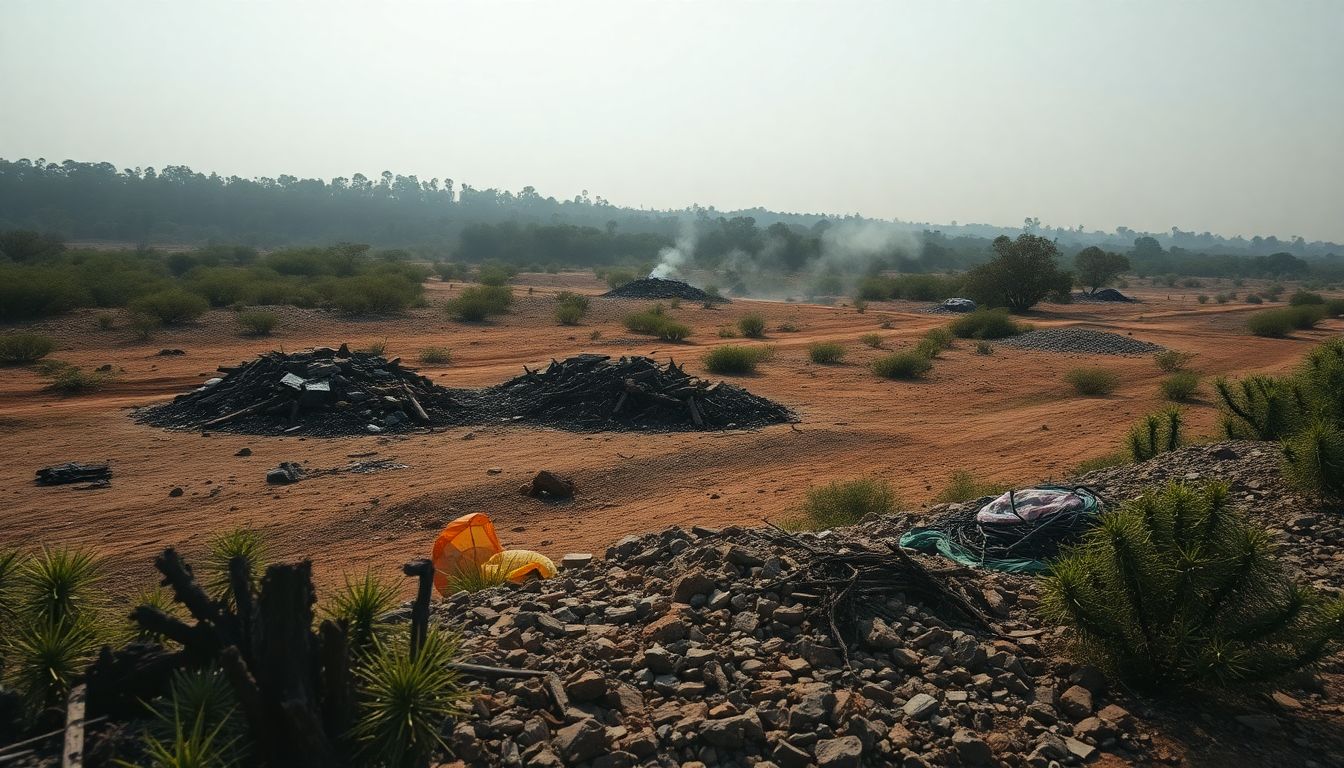
The forest department has sought the intervention of the Chengalpattu district administration to find a permanent solution to the recurring dumping and burning of municipal waste along the Perumbakkam reserve forest near Chennai. Forest officials have raised concerns over the recurring practice, fearing that fires could spread into the forest and damage land that falls within a megalithic site protected by the Archaeological Survey of India (ASI).
Chennai District Forest Officer V Saravanan confirmed that the department has written to the Chengalpattu district collector seeking a resolution to the waste-management problem.
"We have written to the collector requesting a permanent solution for this recurring issue. The forest ranger has also written to the Perumbakkam panchayat, warning them against burning waste on the forest fringes as it can lead to forest fires," Saravanan said.
The forest department has also requested the district administration to implement the directions issued by the southern bench of the National Green Tribunal (NGT) in its September 22 order in the Perumbakkam waste-dumping case.
The tribunal had directed the Chengalpattu collector to identify a scientifically suitable alternative facility for the collection, segregation, processing, and scientific disposal of waste generated by the Perumbakkam panchayat.
The NGT had further directed the ASI to safeguard the protected monument and ensure that no activity affecting the protected or prohibited area is undertaken without requisite permission.
Forest officials confirmed that the location where municipal waste is currently being dumped and burnt falls within the ASI-protected site, but is revenue land.
The Perumbakkam megalithic cists and cairns form a 157.31-acre centrally protected area that includes the reserve forest land. The dumping and burning poses a risk of fires spreading into the reserve forest, damages the ASI-protected archaeological site, and necessitates finding a scientifically suitable alternative facility for waste processing and disposal.