Safety Expert Urges Disaster Framework as Drowning Deaths Rise in India
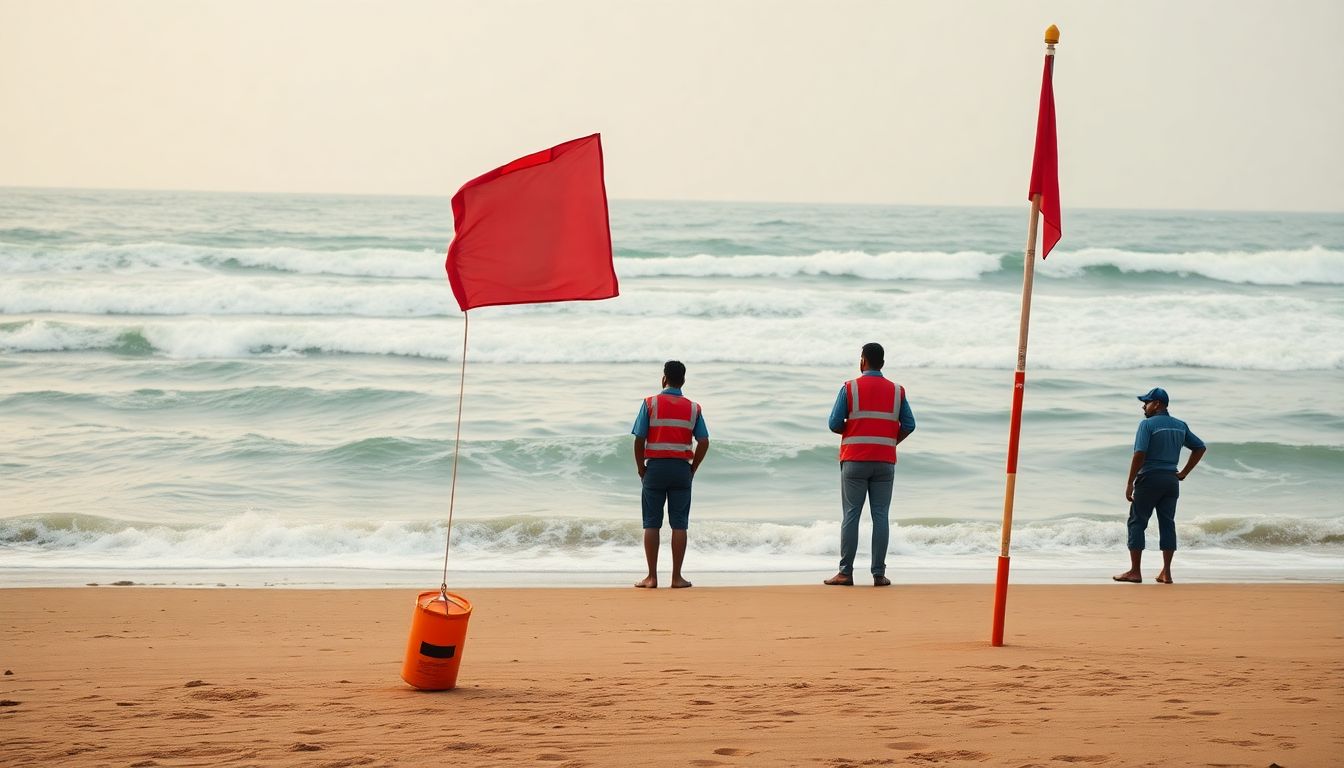
Drowning deaths across India are on the rise and represent an overlooked calamity that must be addressed through disaster-risk reduction measures, former United Nations Environment Programme disaster risk reduction chief Dr. Muralee Thummarukudy said in Chennai. Pointing to long-term data from the National Crime Records Bureau, he noted that routine drowning fatalities occur daily across the country but fail to draw significant public attention.
According to Dr. Thummarukudy, disaster-management systems in India have evolved to tackle floods, extreme rainfall, and other climate-linked events, but everyday drowning remains largely neglected. Because most fatalities occur individually or in small clusters of two or three without a preceding event such as a landslide or earthquake, they are handled at the local level and rarely reach wider notice unless linked to mass incidents like boat capsizes or flash floods.
Highlighting data reliability, Dr. Thummarukudy stated he was very certain of the accuracy of National Crime Records Bureau records because drowning deaths almost always require police reports and post-mortem examinations. He contrasted the quiet scale of routine drownings with major natural catastrophes, noting that Kerala recorded approximately 200 deaths during the 2004 tsunami and fewer than 500 deaths in the 2018 floods. Despite those milestones, the state has lost more than 1,000 people to drowning every year since 2004.
To address the crisis, Dr. Thummarukudy urged the adoption of United Nations disaster-risk reduction frameworks, including risk assessment, mitigation steps, early warnings, training, and emergency response. He explained that rapid urbanisation has placed homes closer to water bodies such as lakes, tanks, canals, and abandoned quarries, though domestic risks extend even to home pools and bathroom buckets. Unlike fire, lightning, or heights, water provides no early warning signs of danger.
For rapidly expanding urban centres such as Chennai and across southern India, Dr. Thummarukudy recommended making water-safety education mandatory in schools and holding awareness drives in apartment complexes. He also called for public interest campaigns on television and in cinemas, alongside teaching children to swim and educating parents never to allow children to play near water unsupervised.