Madras High Court Refuses to Reclaim Esplanade Substation Land from TNPDCL
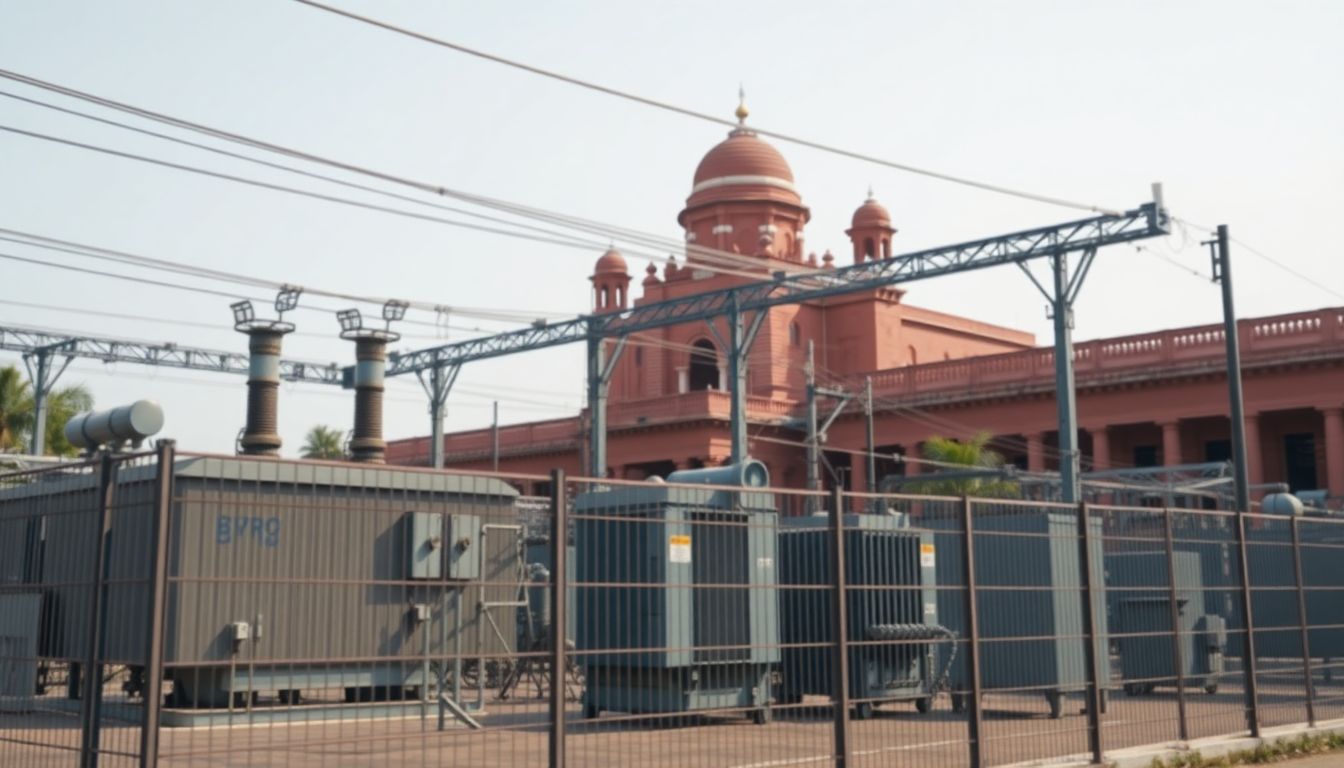
The Madras High Court has dismissed a public interest litigation petition seeking the return of approximately 15 grounds of land allotted to the Tamil Nadu Power Distribution Corporation Limited for the Esplanade sub-station, observing that critical power supply infrastructure cannot be disrupted.
A first Division Bench comprising Chief Justice Sushrut Arvind Dharmadhikari and Justice G. Arul Murugan passed the order on a petition filed by advocate M.T. Arunan. The petitioner had sought directions to the State government and TNPDCL to hand back the land allotted in 1990, arguing that the power utility had built structures on only one-third of the space while the remainder stayed open.
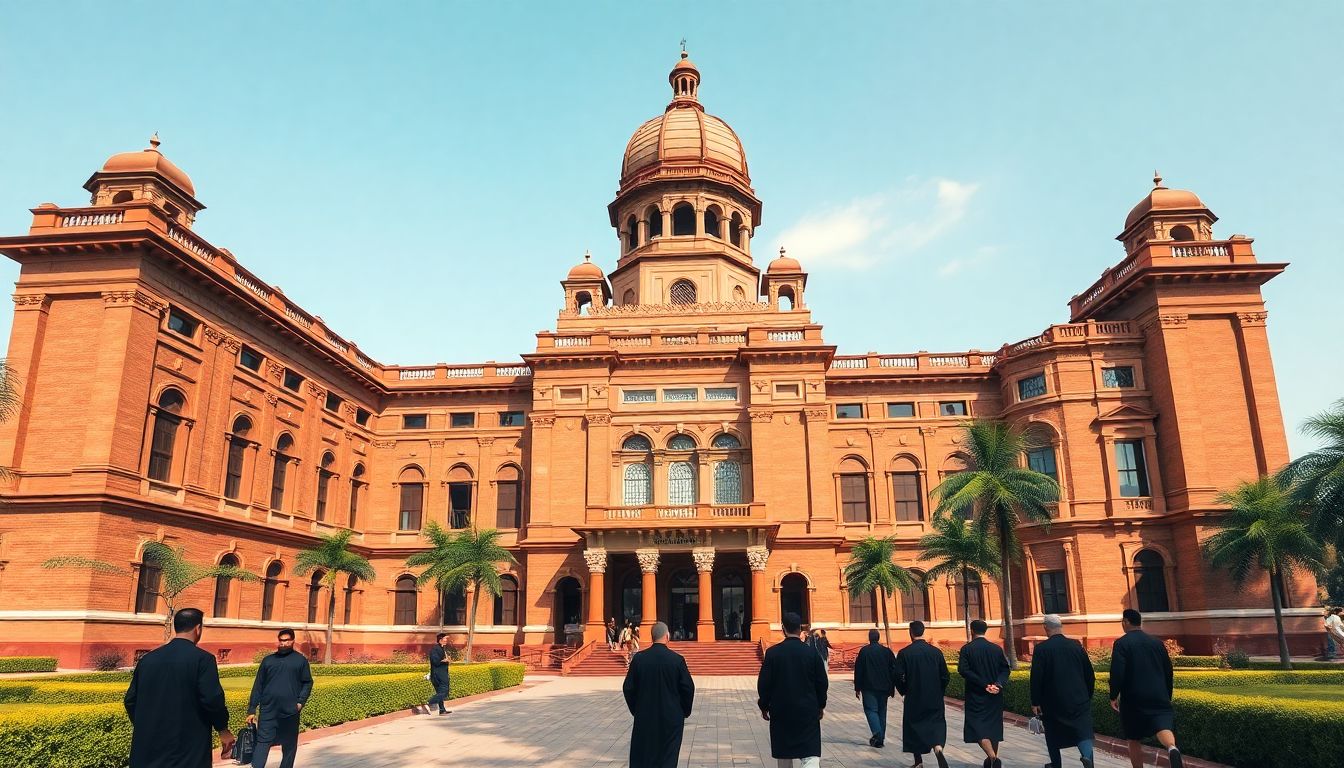
The petitioner contended that the vacant land could be repurposed for vehicle parking bays, additional court halls, and other public amenities to ease congestion faced by lawyers and litigants on the court campus. He also submitted that the property was being used for electricity bill collection from consumers residing in neighbouring areas such as Mannadi and Muthialpet.
Opposing the plea, Advocate General Vijay Narayan informed the Bench that open spaces between transformers were mandatory safety clearances needed to operate heavy cranes and trucks during maintenance and equipment replacement. He noted that the High Court complex had a sanctioned load of 5,500 KVA, with the Registry requesting an additional 2,500 KVA for ongoing constructions and renovations.
The Advocate General stated that the court campus faces no power disruptions because TNPDCL routes energy from multiple sources, including the Basin Bridge gas turbine and the Seven Wells sub-station. He added that the 110/33/11 KV Esplanade sub-station also supplies power to vital institutions such as the Rajiv Gandhi Government General Hospital, Chennai Port Trust, and Southern Railway.
Dismissing the petition, the Bench held that shifting or removing the sub-station was technically unviable and would endanger power supply to both the judiciary and emergency services. The judges added that land allocation and urban planning between government departments are policy matters where courts do not ordinarily interfere.