DP World Chennai Free Trade Zone Projects 20 Percent Cargo Growth in FY27
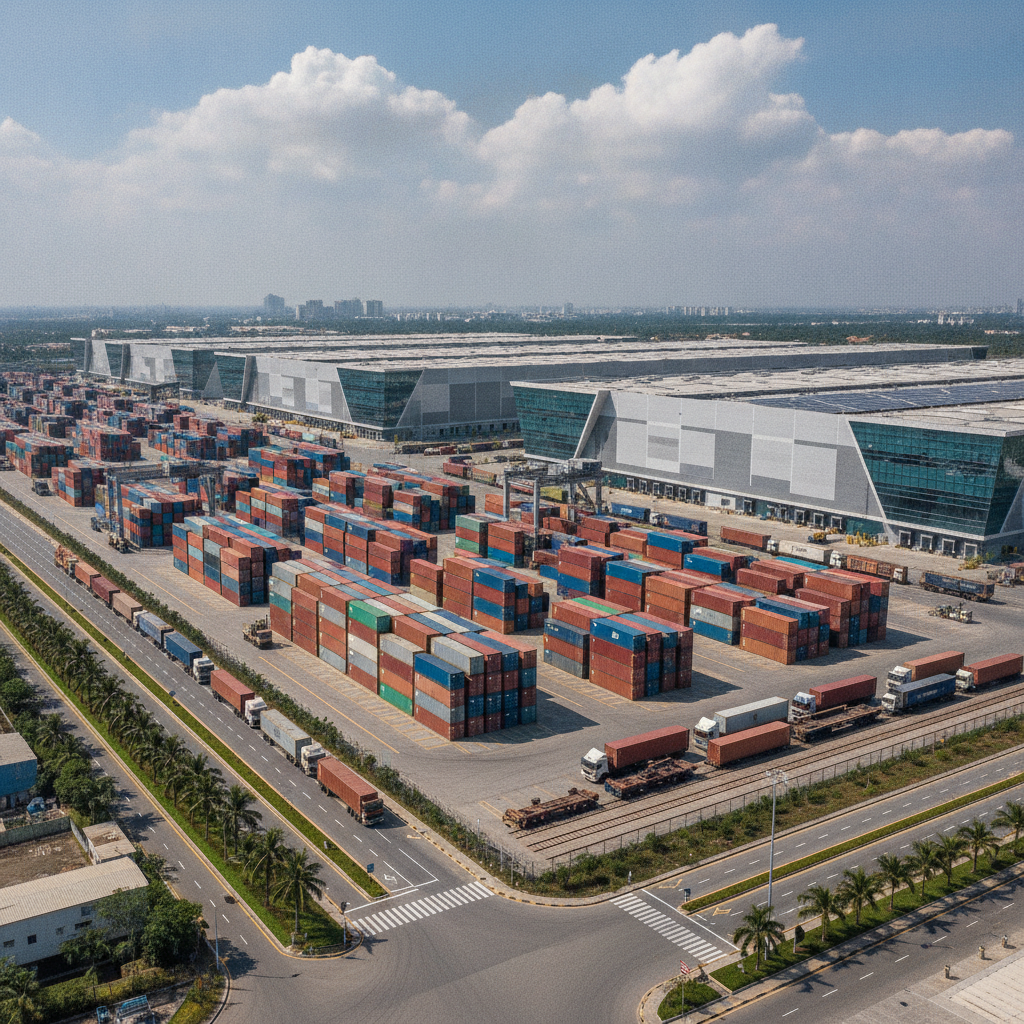
DP World expects the annual cargo throughput at its Chennai Free Trade Warehousing Zone (FTWZ), located at the Integrated Chennai Business Park (ICBP) on the outskirts of Chennai, to grow by approximately 20% in the 2027 fiscal year (FY27). According to Ranjit Ray, DP World's CEO of logistics for the subcontinent, Central Asia, Levant, and Egypt, this projected growth is supported by anticipated increases in customer volumes and business activity at the facility, which has been operational since 2024.
The facility has seen a significant rise in occupancy, climbing from 10% when it opened in 2024 to 66% in 2026. The Chennai FTWZ is the largest of DP World's three free trade warehousing zones in India. The company has invested approximately Rs 1,700 crore to develop its three FTWZs across the country.
Spanning 125 acres, the Integrated Chennai Business Park is being developed in three phases, with plans to eventually feature more than two million square feet of warehousing and cargo-handling facilities. Phase one is currently fully operational, consisting of six lakh square feet spread across four warehouses, a two lakh square feet container yard, and allied infrastructure.
The facility operates under a "One Port, One Zone" model, where DP World manages both the port terminal and the FTWZ. This model provides a single-window solution for moving cargo between the port and the zone, aiming to reduce operational complexity and improve supply chain efficiency. It offers regulatory benefits under the Special Economic Zone (SEZ) policy, simplified customs procedures, and over 66 value-added services such as labelling, kitting, and packaging.
The FTWZ aims to boost Tamil Nadu’s industrial ecosystem, which saw exports grow to $59 billion in FY26. The facility supports sectors such as electronics, automobiles, auto components, chemicals, high-tech engineering, and renewable industries. By utilizing the zone, manufacturers and exporters can reduce logistics costs, improve inventory efficiency, and accelerate access to global markets like the UAE, Australia, and Southeast Asia.
During recent global geopolitical tensions and spikes in ocean freight costs, the facility helped Indian exporters maintain cash flow. Exporters were able to treat stored goods as "deemed exports" and record them as export revenue without immediate shipment, helping them navigate high freight rates.