UPASI Report Warns Super El Nino and Rising Temps Threaten Nilgiris Tea Output
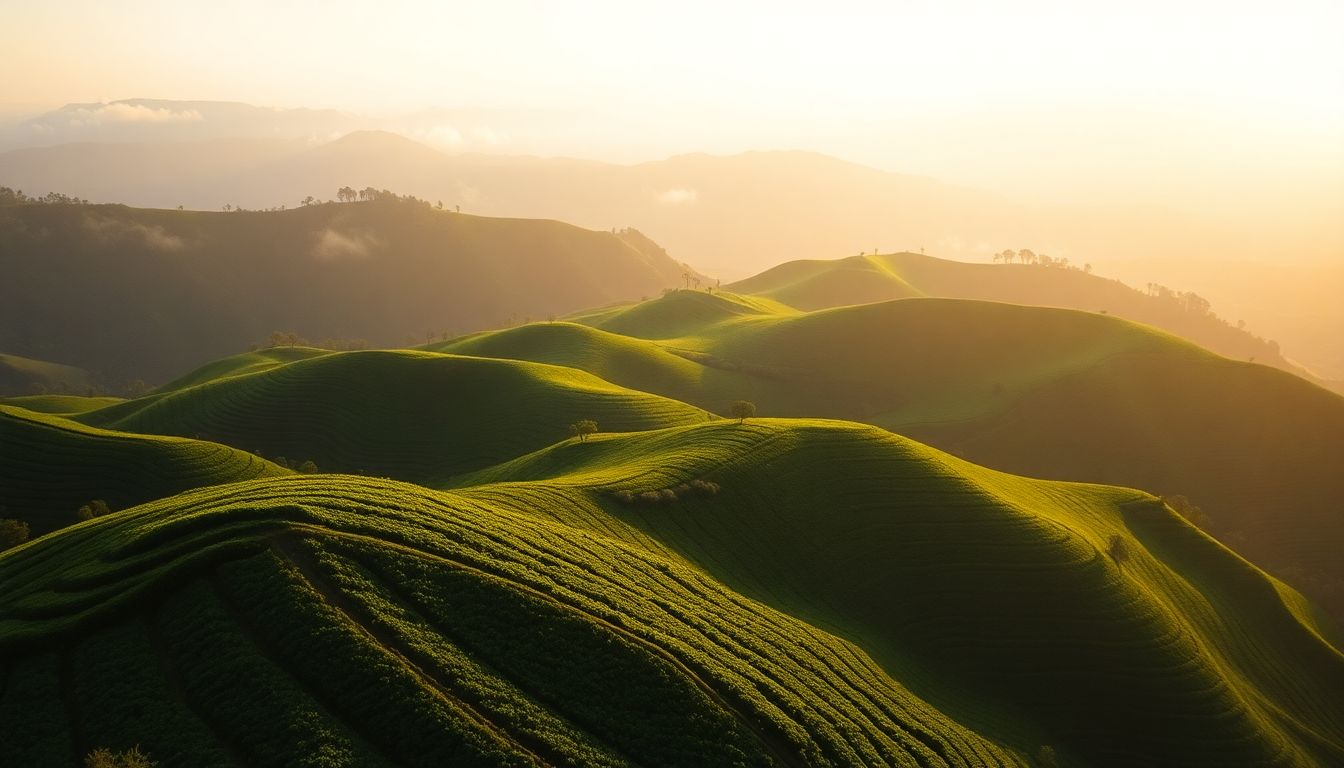
Rising temperatures and volatile weather patterns driven by global climate change and Super El Nino conditions are posing an unprecedented challenge to tea plantations in the Nilgiris district, an official stated in Udhagamandalam on Monday. According to a report by P Murugesan, Advisory Officer at the UPASI Tea Research Foundation Regional Centre in Coonoor, volatile climate conditions directly jeopardize shoot growth, harvesting schedules, crop yields, and overall bush health across the region.
Observatory data from the Nilgiris shows an average temperature increase of approximately 0.5 degrees Celsius along with an expanded geographic reach of frost and hailstorm damage. While total annual rainfall across the district has remained marginal at 900 mm to 1,500 mm without dropping dramatically, the temporal distribution of rainfall has undergone a major shift. An increase in dry-day frequency and short-duration, high-intensity rain events is causing agronomically significant soil moisture deficits.
Tea cultivation across the Nilgiris plateau takes place at elevations between 1,125 metres and 2,400 metres, with 70 per cent of the tea area concentrated between 1,500 metres and 2,000 metres. Weather patterns vary across the district, as Ooty and Kundah are mainly influenced by the south-west monsoon, while Coonoor, Kullakamby, and Kotagiri receive rainfall primarily from the north-east monsoon. The region experiences two regular dry spells from January to early April and during July and August.
Because tea shoots are harvested continuously, small environmental shifts directly affect internodal length, shoot development, and leaf quality. Murugesan noted that human-driven climate change has intensified constraints through prolonged dry spells and shifting pest and disease phenology, urging local estate managers and smallholders to adopt adaptation practices early.
To build drought resistance and protect bushes from physiological distress, the report recommended field-level interventions such as strategic shade management using Gliricidia sepium trees to regulate microclimates. Other measures include soil and water conservation engineering, diversifying planting material, avoiding large-scale monoclonal planting, scheduling pruning based on weather vulnerabilities, and strengthening surveillance for red spider mite, blister blight, and grey blight.
Murugesan emphasized that the governing principle under Super El Nino conditions must be to protect the bush before protecting the crop, noting that short-term crop extraction under severe climate stress compromises long-term productivity and bush vigour.