Trichy banana cultivation drops 27 percent as drought delays Mettur dam water release
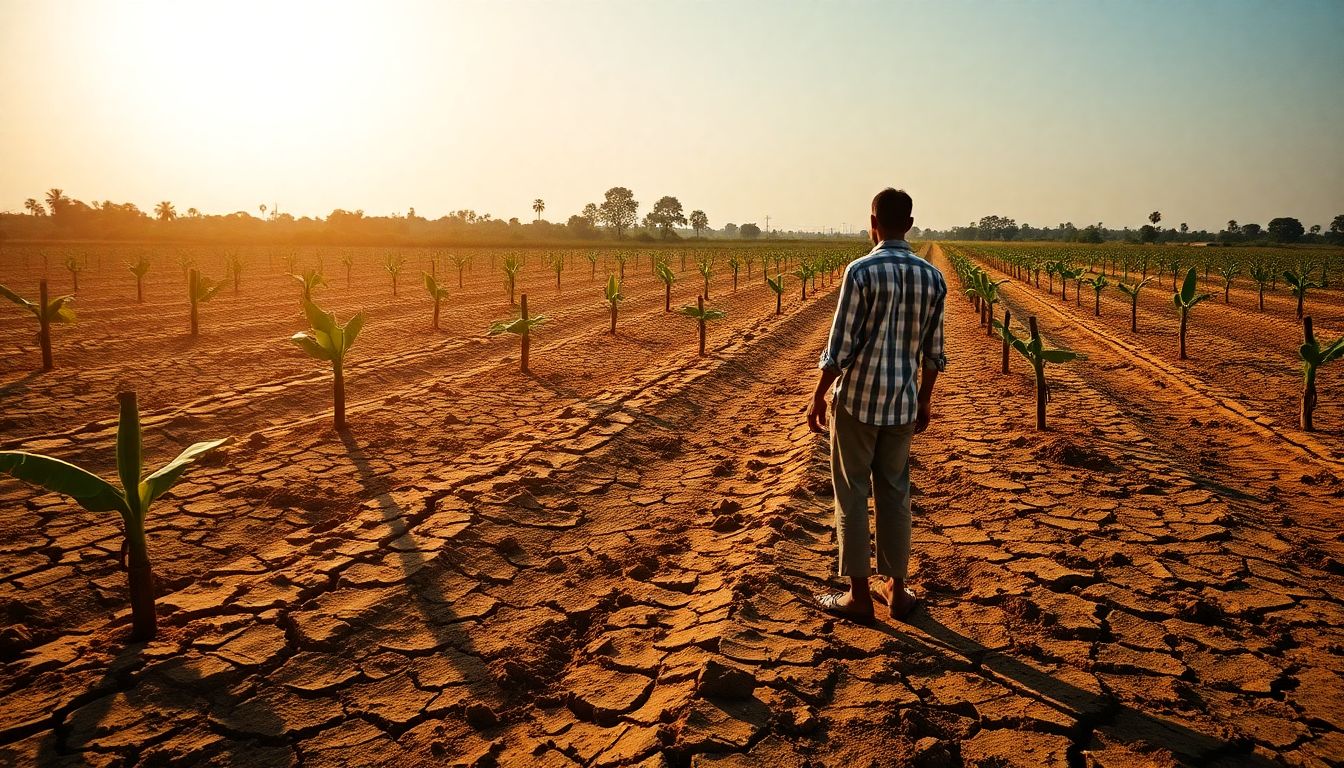
A delayed release of Cauvery water from the Mettur dam due to an El Niño-induced drought has forced banana farmers in Trichy, including the Srirangam locality, to drastically reduce their cultivation acreage during the current crop season. The area under banana cultivation in the district has fallen to 4,300 hectares, representing a 27 percent drop from the normal 6,000 hectares, as water scarcity grips the region.
The Stanley reservoir has experienced low storage levels because of deficient southwest monsoon rainfall, which the Tamil Nadu state government has attributed to El Niño. Consequently, Cauvery water, which normally irrigates 95 percent of the banana crops through canal systems, has not yet been released. Since banana is grown as an annual crop with phased planting throughout the year, the lack of water has halted regular cultivation.
To mitigate severe financial losses, the Union agriculture ministry has directed states to implement district and crop-specific contingency plans, identifying Trichy as one of the most vulnerable districts in Tamil Nadu. Local farmers and agricultural departments are now pivoting toward water-saving smart farming techniques.
The National Research Centre for Banana (NRCB), led by Director R Selvarajan, has started conducting village outreach programmes to issue El Niño advisories. Selvarajan explained that banana varieties require approximately 65 lakh litres (6,500 cubic metres) of water per acre annually, making a reduction in cultivation area necessary. The NRCB is urging farmers to adopt drip irrigation and fertigation, which injects water-soluble fertilizers directly into irrigation systems to target plant roots.
"We need Cauvery water for irrigation. Planting without certainty of water will lead to losses," said 'Vayalur' S Rajendran, a banana farmer from Srirangam.
According to NRCB Principal Scientist I Ravi, smart farming technology optimizes irrigation and eliminates the need for constant manual monitoring, allowing farmers to avoid watering during rainfall.
Additionally, researchers are promoting soil moisture conservation methods. Principal Scientist C Karpagam recommended mulching with organic materials and stem recycling, which involves ploughing banana stems back into the soil post-harvest to reduce the need for external nutrients like nitrogen, phosphorus, and potassium. S Saranya, the deputy director of the horticulture department in Trichy, confirmed that the department is actively sensitizing farmers to cultivate bananas using less water.