Tirupur Textile Units Prepare For Export Growth Ahead Of Western Trade Deals
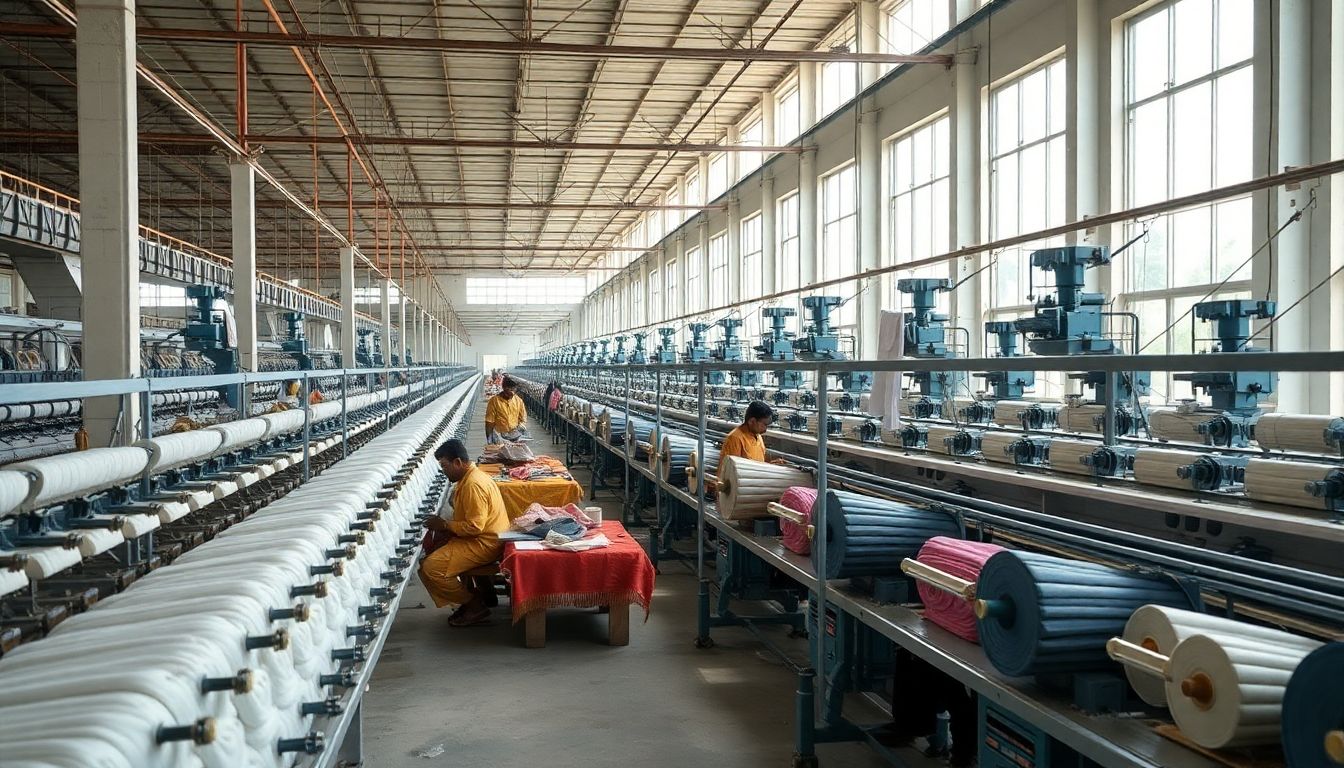
Tamil Nadu's home textile and garment industry, heavily clustered in the Tirupur region, is preparing for an expected five percent growth in export volumes as India progresses toward bilateral trade agreements with the United Kingdom, the European Union, and the United States. The upcoming trade deals are anticipated to help local small and medium-scale enterprises bridge long-standing tariff disadvantages against competing nations like Bangladesh, Vietnam, and China.
Durai Palanisamy, chairman of the Southern India Mills Association and executive director of the Pallava Group, stated that the trade agreements offer a vital opportunity for local suppliers to tap existing relationships and gradually ramp up exports. He noted that companies typically add capacity after demand becomes visible, and there is currently a strong pull from global brands diversifying away from Bangladesh and China.
To fully capitalize on the improved market access, Palanisamy explained that the highly fragmented industry needs to step up investments to achieve economies of scale. He urged the state to incentivize spinning and weaving players to build integrated fabric ecosystems—including dyeing, bleaching, and finishing facilities—to improve turnaround times and unit economics, allowing other players to focus on garmenting.
However, local units face ongoing challenges, including high attrition, labor shortages, and competition from states like Madhya Pradesh and Odisha, which offer aggressive incentives. Additionally, Tamil Nadu lags in man-made fiber (MMF)-based garments. While MMF dominates global apparel trade, Tirupur's exports currently consist of only about 15 percent MMF and MMF blends.
S K Sundararaman, managing director of Shiva Texyarn, emphasized that the state must leverage its legacy ecosystem and invest in technology and MMF capabilities. He noted that Tamil Nadu is becoming more expensive than other states, making it crucial for the government to avoid hikes in power tariffs or minimum wages to sustain Tirupur's entrepreneurship.
To support the industry's expansion, the state is developing the PM MITRA Textile Park in Virudhunagar. The park has already allotted 177 acres out of its 1,052 acres to 16 investors, which is projected to bring in an investment of Rs 2,067 crore and generate nearly 13,000 jobs.