Madras High Court Intervenes in Tamil Nadu Stray Animal Crisis
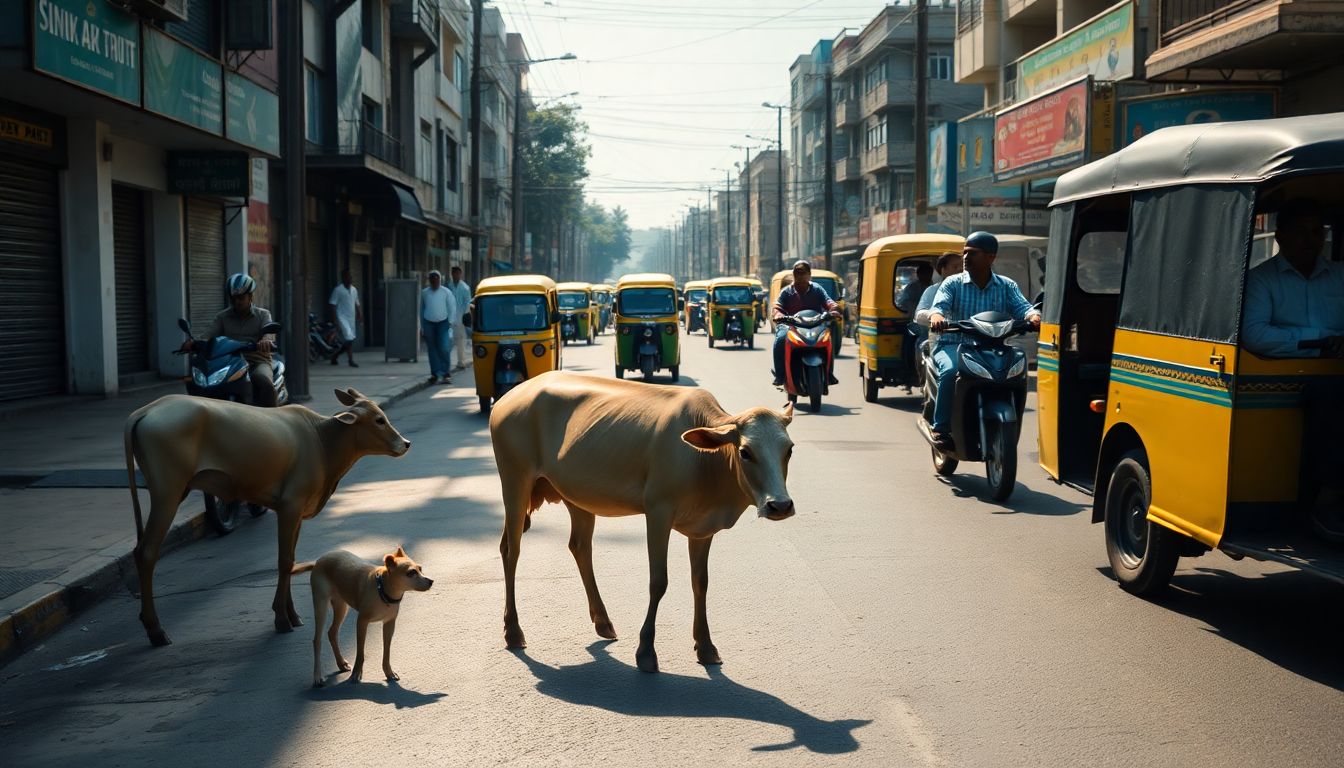
The Madras High Court has intervened in the rising stray dog and cattle crisis across Tamil Nadu, emphasizing the urgent need to protect public safety while preventing illegal culling and animal cruelty. The court's intervention comes as municipalities and local residents struggle to manage growing populations of free-roaming animals on busy public streets.
In its intervention, the high court stressed that local authorities must ensure public safety while simultaneously addressing serious concerns over illegal culling. The court also highlighted the need to curb acts of animal cruelty carried out by angry residents who have taken matters into their own hands due to frustration with the ongoing situation.
The issue of stray dogs, and in some instances pet dogs, biting pedestrians has emerged as a major civic and public safety crisis throughout the state. These animal attacks pose a severe threat to local residents, particularly vulnerable groups such as children and the elderly.
In addition to stray dogs, free-roaming cattle have created hazardous conditions on busy roads. Stray cattle frequently block traffic, cause vehicular accidents, and attack people in public spaces. To manage the dog population, Tamil Nadu has been implementing sterilization and animal birth control (ABC) programmes, though authorities have struggled to control the population effectively.
This civic crisis in urban areas mirrors a wider trend of rising man-animal conflicts across Tamil Nadu. In regions such as the Nilgiris, Coimbatore, and Erode, local communities face frequent encounters with wild animals, including elephants, Indian gaurs, leopards, and tigers. In the Nilgiris, these encounters are driven by overlapping tea estates, homes, and wildlife corridors. Furthermore, high rates of human-elephant conflict have been reported around the fringes of the Anamalai Tiger Reserve and adjoining reserve forests.
Several factors have contributed to these wilderness conflicts, including water scarcity inside forests, a lack of native fodder, commercial estates, and human habitations blocking wildlife migratory routes. To address these issues, the Tamil Nadu forest department has been deploying advanced technology-driven solutions to protect local communities and wildlife.
The Madras High Court's involvement highlights the ongoing challenge of balancing human safety with animal welfare. Moving forward, state authorities must navigate these conflicts through responsibility, regulation, and respect for both human safety and animal welfare.