Madras Crocodile Bank Marks 50 Years of Conservation on East Coast Road
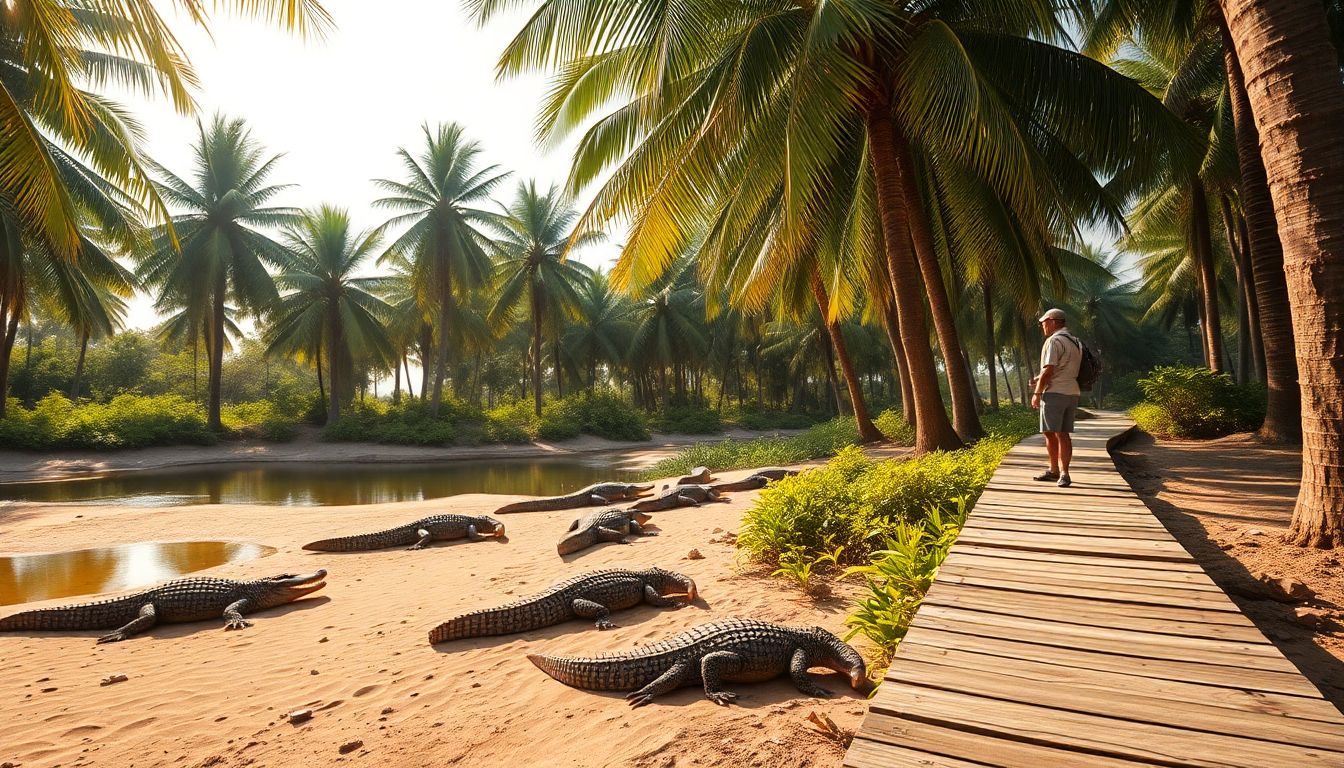
The Madras Crocodile Bank Trust, located along the East Coast Road, has completed 50 years of wildlife conservation and education since its founding in 1976. Established on August 26, 1976, by conservationists Zai Whitaker and Romulus Whitaker, the facility was originally conceived as an exclusive captive breeding centre to protect India's rapidly declining crocodilian populations. Over five decades, the coastal centre has developed from a targeted preservation project into a prominent zoological institution and research sanctuary.
The project originated after Romulus Whitaker carried out crocodile surveys across India in the early 1970s, uncovering sharp drops in native populations. Poaching for skins, dam construction, habitat loss, and human encroachment had severely threatened the country's three native crocodilians: the mugger, the saltwater crocodile, and the northern gharial. In response, the Whitakers invested their personal savings and wedding gifts into building an enclosure facility to incubate wild eggs, raise hatchlings, and return them to forest departments for wild release.
Early conservation work relied on collecting wild eggs under permits from the Tamil Nadu Forest Department, with Zai Whitaker travelling to the Andaman Islands to collect saltwater crocodile eggs while gharial hatchlings were brought from northern habitats. Captive mugger crocodiles reproduced far more rapidly than expected, producing two clutches of eggs annually rather than the typical single clutch. The unexpected surge in hatchlings expanded the population across various ages and enclosures.
Efforts to reintroduce the reptiles into natural habitats faced obstacles as forest rivers altered and surrounding communities resisted living near large predator populations. As a result, the trust shifted its mission toward public education and broader scientific research. In 2008, the facility broadened its scope to become a dedicated centre for herpetology, adding snakes, lizards, and turtles to educate the public on reptile biology and the differences between venomous and non-venomous snakes.
Today, the bank houses approximately 800 reptiles representing around 40 species under the supervision of a 35-member staff, including a full-time veterinarian and veterinary assistant. Operational work is supported by residents from nearby Vadanamelli village alongside ongoing student intern and volunteer programmes.
Trees planted across the site during the 1970s have formed a mature canopy that now doubles as a refuge for nesting waterbirds, including egrets, cormorants, and crows. Managing trustee Zai Whitaker credited ongoing community patronage from Chennai for allowing the sanctuary to endure and evolve over the past half-century.