Govt Sets September End Deadline for Chennai and Velachery Monsoon Works
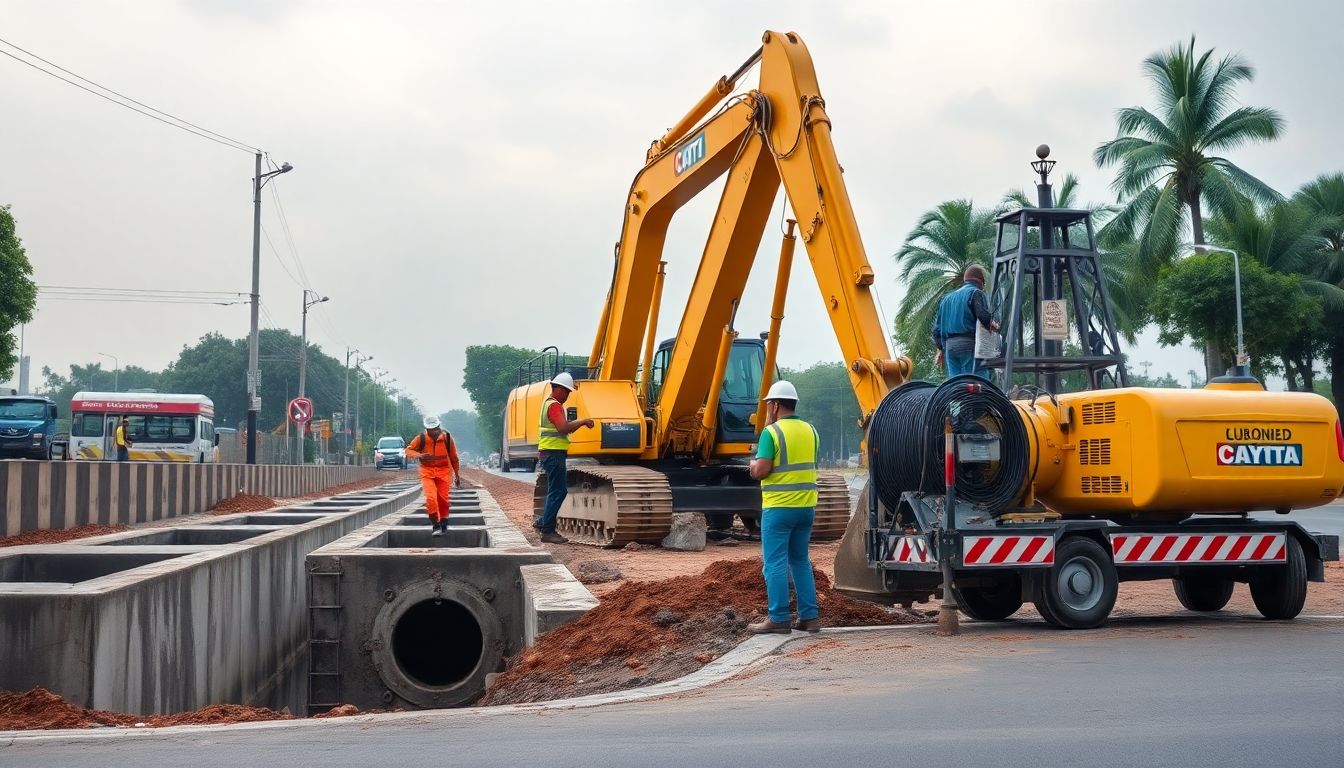
The Tamil Nadu state government has directed all civic agencies and service departments to complete all major northeast monsoon preparedness works across Chennai and its suburbs by the end of September. Chief Secretary M. Sai Kumar issued the directive during a review meeting held at the Secretariat on Tuesday, placing special emphasis on low-lying and severely waterlogging-prone neighbourhoods such as Velachery.
The review meeting included zonal monitoring officers along with senior officials representing departments involved in monsoon works across the Greater Chennai Corporation, Avadi, and Tambaram. To oversee the execution on the ground, the state government decided to appoint ministers and monitoring officers at the zonal level to inspect ongoing preparations.
A major focus of the review was the advance deployment of high-capacity motor pumps in critically vulnerable, low-lying localities including Velachery, Ambattur SIDCO, Tiruvottiyur, and Manali. Departments were instructed to expedite the construction and interlinking of stormwater drains in areas where networks remain incomplete, particularly along stretches adjacent to ongoing Chennai Metro Rail construction sites.
Desilting operations were also designated as an urgent priority, especially at vital junctions where stormwater drains connect to canals and rivers, as well as at river mouths, to ensure the unhindered flow of floodwater. According to figures shared by the Greater Chennai Corporation, desilting work is currently in progress across 1,671 kilometres of stormwater drains, and silt has already been removed from 1,10,082 silt catch pits across the city network.
Authorities were instructed to speed up stormwater drain construction along specific critical corridors, including Demellows Road, Nookampalayam, and MRH Road. In addition to drainage infrastructure, the meeting evaluated emergency preparedness measures, covering the readiness and availability of rescue boats, trained personnel, flood relief centres, community kitchens, and the planned deployment of civic volunteers during intense rainfall.
Specific responsibilities were distributed among various state agencies to mitigate flooding risks. The Water Resources Department was instructed to accelerate the desilting of canals and rivers, while the Highways Department will oversee drainage along state and national highways. Meanwhile, the Electricity Department was directed to raise junction boxes above ground level, secure underground cables, and eliminate electrical leakages to prevent accidents during flooding.