GCC to Build Six Homeless Shelters in Chennai Including Transit Facilities
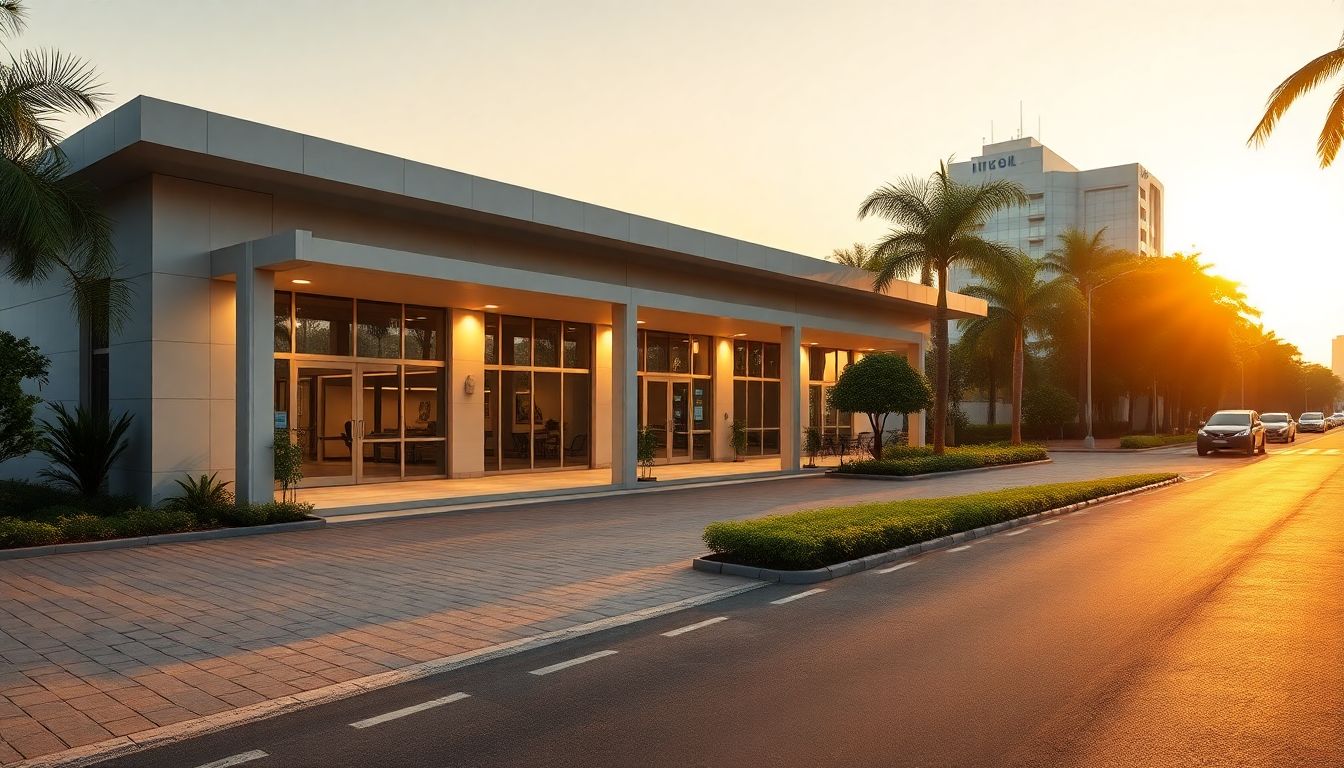
The Greater Chennai Corporation (GCC) will shortly construct six new shelters for homeless individuals across Chennai, addressing needs identified in local areas such as Anna Nagar. The civic body plans to expand upon its 57 existing shelters in the city by introducing specialized facilities, including transit shelters and a dedicated recovery shelter.
GCC Commissioner G.S. Sameeran announced that land has already been identified for five of the proposed shelters, while suitable land for the remaining shelter is yet to be identified. He highlighted the need for transit shelters across the city's north, south, and central regions, with initial implementation beginning in the central region. One of the five planned sites will operate as a recovery shelter. Dr. Sameeran also noted that the civic body requires dedicated facilities for palliative care and for elderly individuals unable to care for themselves.
The plan addresses existing needs highlighted by local representatives. Ward 104 councillor T.V. Shemmozhi noted that a number of homeless persons were found in areas such as Anna Nagar, and some of them are in need of support.
Vanessa Peter, founder of the Information and Resource Centre for the Deprived Urban Communities, explained that homeless people rescued by the GCC or police are currently admitted to whichever shelter has vacancy, without a comprehensive assessment of their individual vulnerabilities. Consequently, individuals requiring de-addiction services, mental health interventions, recovery support, or specialized care may be placed in facilities unequipped to meet their needs. She stated that transit shelters will serve as initial points of reception, assessment, and stabilization to enable appropriate referrals.
The GCC's standard operating procedure recognizes the necessity of customized solutions. Officials stated that recovery shelters are particularly important because existing facilities lack the medical expertise, trained staff, and infrastructure to care for individuals who require medical support without needing hospitalization. Once implemented, officials say this comprehensive model can be replicated by other urban local bodies to strengthen care and improve referral pathways.