CM C Joseph Vijay inspects Chetpet biogas plant, orders Tamil Nadu expansion

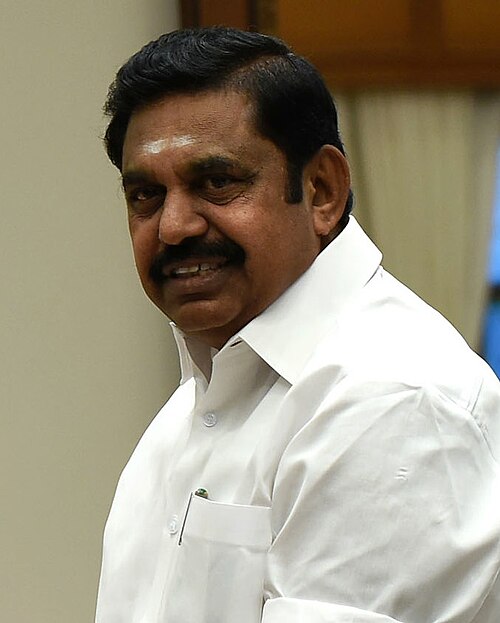
On Monday, Chief Minister C Joseph Vijay conducted a surprise inspection of a 100-tonne-a-day biogas plant in Chetpet, Chennai, and directed officials to expand similar waste-to-energy plants across Tamil Nadu. The initiative aims to improve solid waste management and boost renewable energy generation by setting up plants in 25 other municipal corporations.
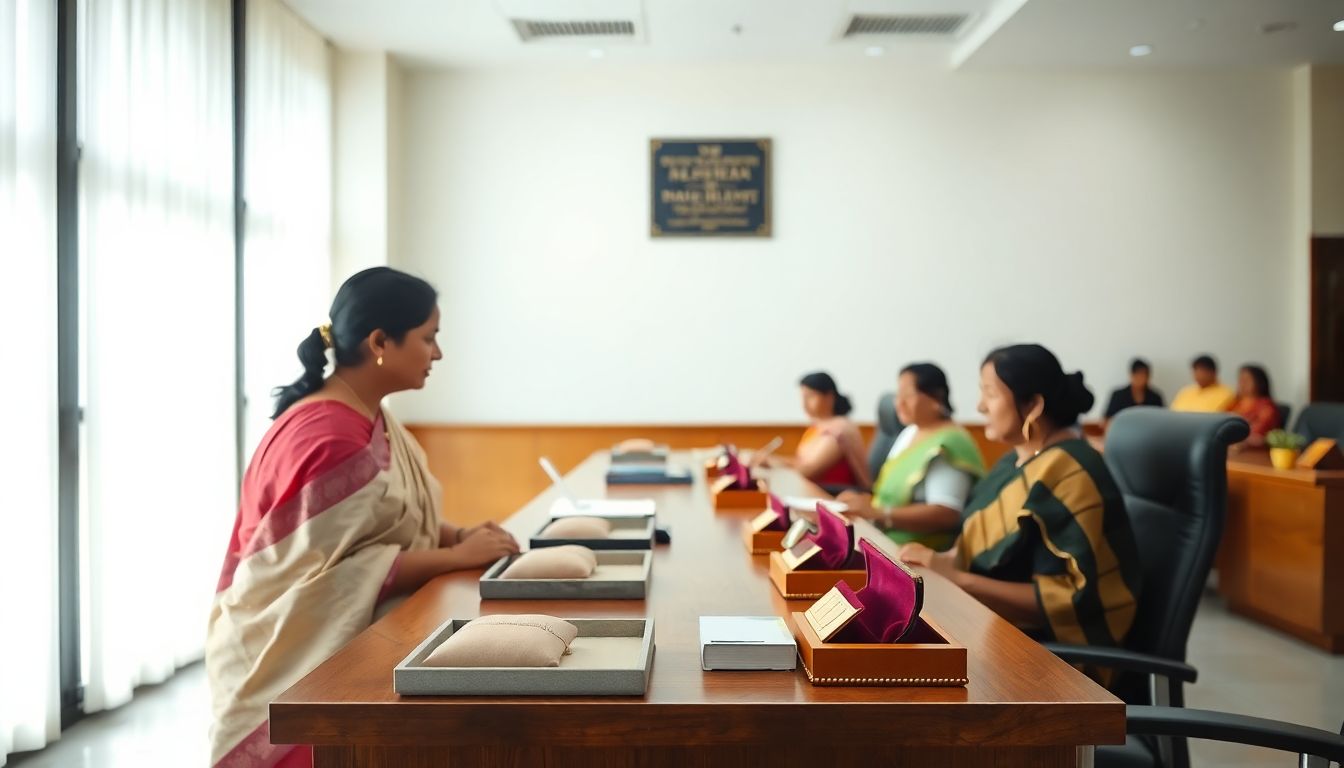
During the inspection at the Chetpet facility, officials explained the biological process to the Chief Minister. The plant processes wet waste by using microorganisms to break down organic matter—including manure, food scraps, and sewage—inside an airtight, oxygen-free container. The waste ferments over several weeks as bacteria convert the organic material into a gas rich in methane and carbon dioxide.
The Chetpet plant was launched in 2022 and is managed by Srinivas Waste Management Solutions. It currently processes 100 tonnes of wet waste daily and generates an annual revenue of ₹1.2 crore.
Following the inspection, Chief Minister Vijay directed officials to expand this waste-to-energy model to 25 other municipal corporations across the state. As part of this expansion, he approved a detailed project report for the corporations of Vellore, Erode, Thoothukudi, Tirunelveli, and Nagercoil.
Municipal Administration and Water Supply Department Secretary Gagandeep Singh Bedi and Greater Chennai Corporation (GCC) Commissioner G S Sameeran accompanied the Chief Minister during the visit.
According to officials, work is already underway on several other facilities in Chennai. Three plants, each with a capacity of 100 tonnes per day, are currently being executed, with one located in Sholinganallur and two in Koyambedu. Officials noted that once two more plants in Madhavaram and Sholinganallur are ready, the total processing capacity of these municipal waste-to-energy facilities will increase to 800 tonnes soon.