Chennai Tyremaker MRF Forecasts Challenging FY27 Due to High Costs and Monsoon Risks
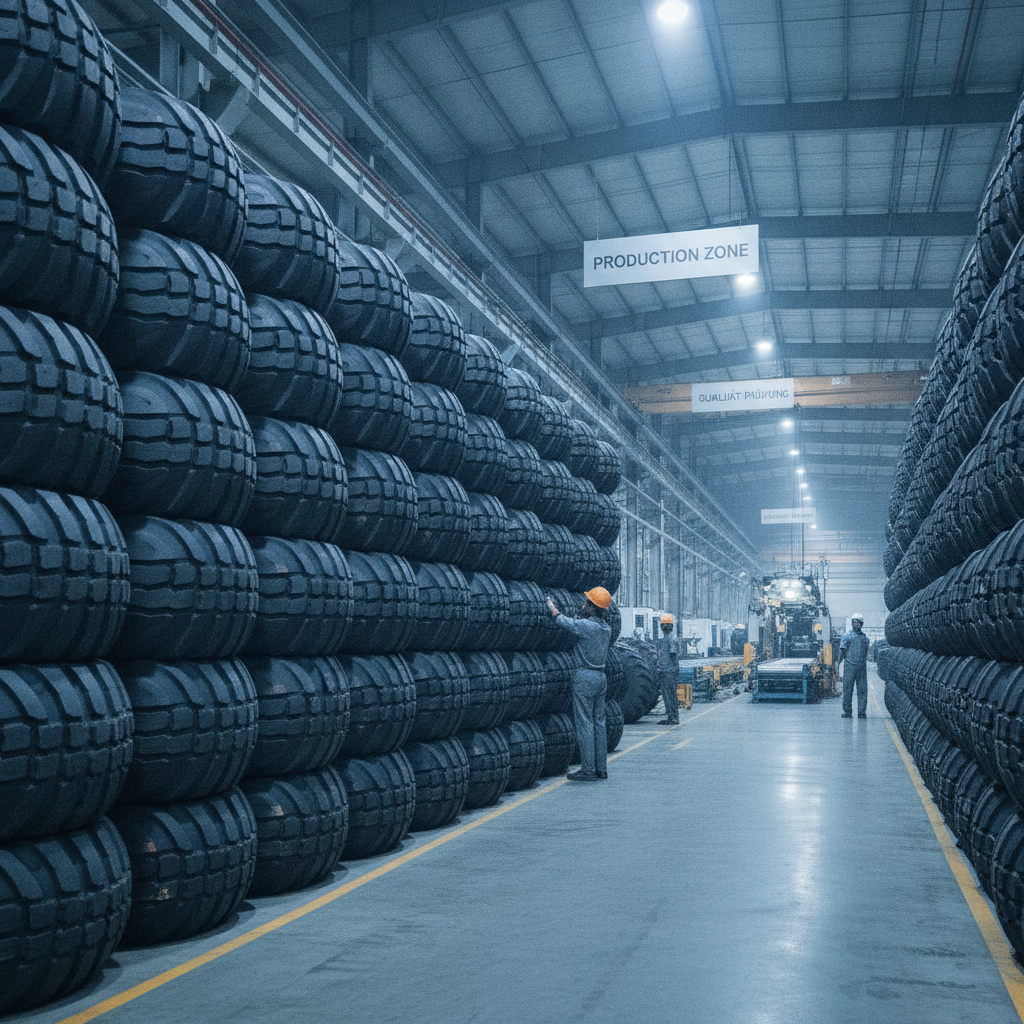
Chennai-headquartered tyremaker MRF has projected a challenging fiscal year 2027 (FY27) for the domestic tyre industry, warning that geopolitical tensions, rising input costs, and a potential weak monsoon are likely to pressure market demand and profit margins. The company shared these projections in its latest annual report, noting that various global and domestic factors could impact the sector's performance in the coming year.
According to the Rs 31,140 crore Chennai company, the Indian government’s projected economic growth of 7% to 7.4% for FY27 has come under pressure. This pressure is largely driven by the ongoing conflict in West Asia. MRF warned that the geopolitical situation could lead to higher energy prices, supply chain disruptions, and rising logistics costs. Furthermore, higher subsidies could weigh on inflation, fiscal balances, and domestic demand.
In addition to global geopolitical issues, MRF highlighted domestic weather patterns as a significant risk factor. The company stated that a below-normal monsoon could weaken agricultural activity across India. Such a slowdown would hurt rural demand, which serves as an important driver for the farm and two-wheeler tyre segments.
The annual report also detailed expectations for the company's financial performance. MRF expects its profitability to come under pressure in FY27 because commodity prices have moved up after easing last year. Currently, commodity prices remain at an elevated level, which is anticipated to impact industry margins in the coming fiscal year.
This outlook follows a stronger period of growth for the sector. The domestic tyre industry grew by around 10% in FY26, while tyre exports from India rose by 9%, which had previously helped margins improve. Despite the projected headwinds for FY27, MRF stated that India’s strong macroeconomic fundamentals should help the economy navigate these challenges.