Chennai Textile Exporters Prepare as UK Free Trade Agreement Kicks In on Wednesday
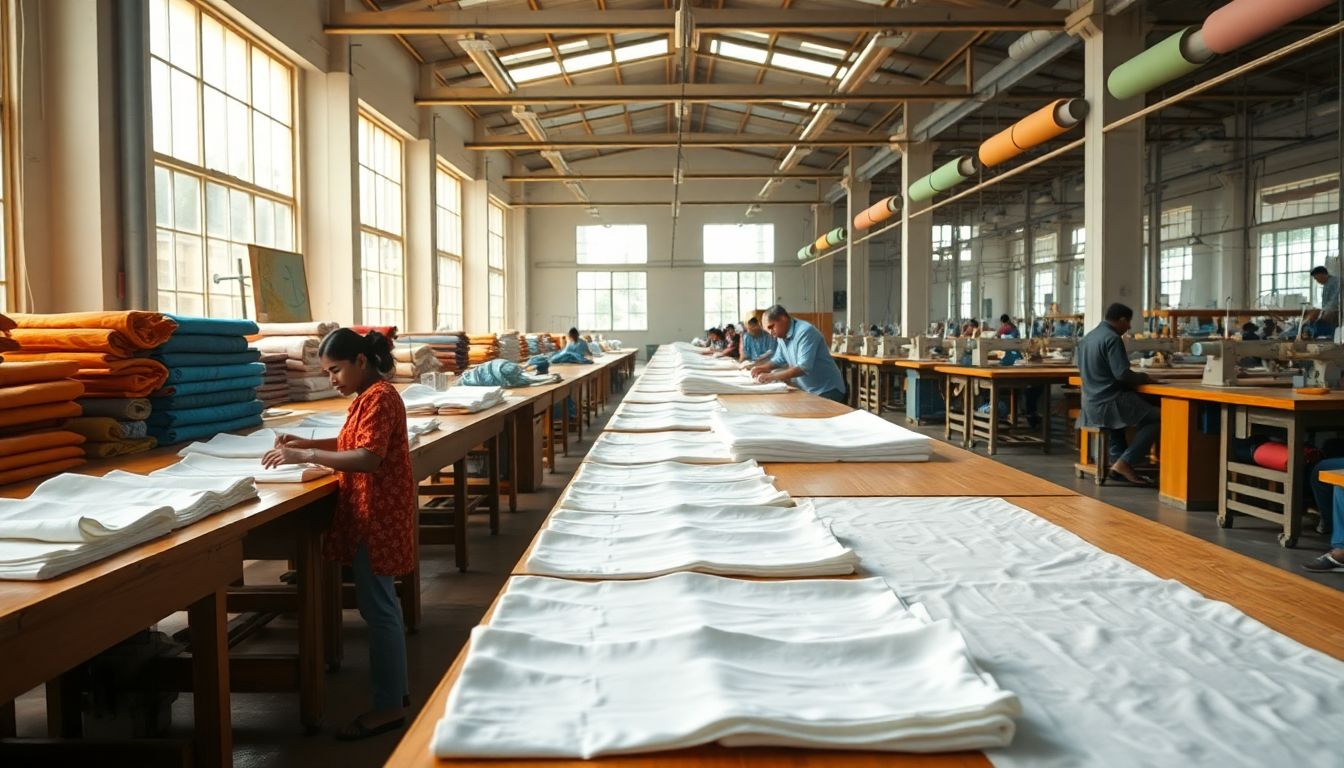
Chennai textile exporters are preparing to leverage the newly operationalized Free Trade Agreement (FTA) between India and the United Kingdom, which kicks in on Wednesday. The landmark deal eliminates tariffs of up to 12% on apparel, bringing Indian exporters to parity with key competitors like Bangladesh and Vietnam.
Prabhu Dhamodharan, convener of the Indian Texpreneurs Federation, stated that the FTA is already generating a demand pull. He noted that Indian exporters have long-standing relationships with major UK buyers and brands, including Primark, Next, Tesco, and M&S, allowing them to ramp up exports immediately.
Currently, India holds a 6% share of the UK's apparel imports. With the new deal, India's share of UK apparel imports is projected to double to 12% over the next four to five years. Dhamodharan mentioned that the industry is already witnessing inbound requests and trail orders as increasing concern about supply concentration and political stability creates a favorable environment.
To meet this projected demand and bridge competitiveness gaps, medium and small-scale companies in Chennai and across India are evaluating incremental automation technologies. Exporters could begin investing in capacity addition, modernization, and integration once they have clear visibility on orders and payback times.
Smaller units are exploring process upgrades such as automatic hangers, specialized section work, CNC knife cutters, programmable pattern-sewing machines, and AI-based vision inspection systems.
However, challenges remain. Beyond tariff differentials, the industry struggles to compete on cost due to a fragmented supply chain, higher input costs—including man-made fiber and cotton fabric—and relatively lower labor productivity. One medium-scale exporter noted that cost differences could be as high as 20% to 30%, mainly due to higher man-made fabric costs, prompting calls for the government to incentivize the domestic fabric ecosystem.
Hitesh Jain, a strategist at Yes Securities, cautioned that structural challenges like declining competitiveness and changing global demand patterns could limit the incremental benefits from tariff liberalization alone. He suggested that the government should focus on import substitution and access to cheaper raw materials to maximize the benefits of the FTA.