Chennai Port Boosts Non-Container Cargo Under New Incentive Scheme
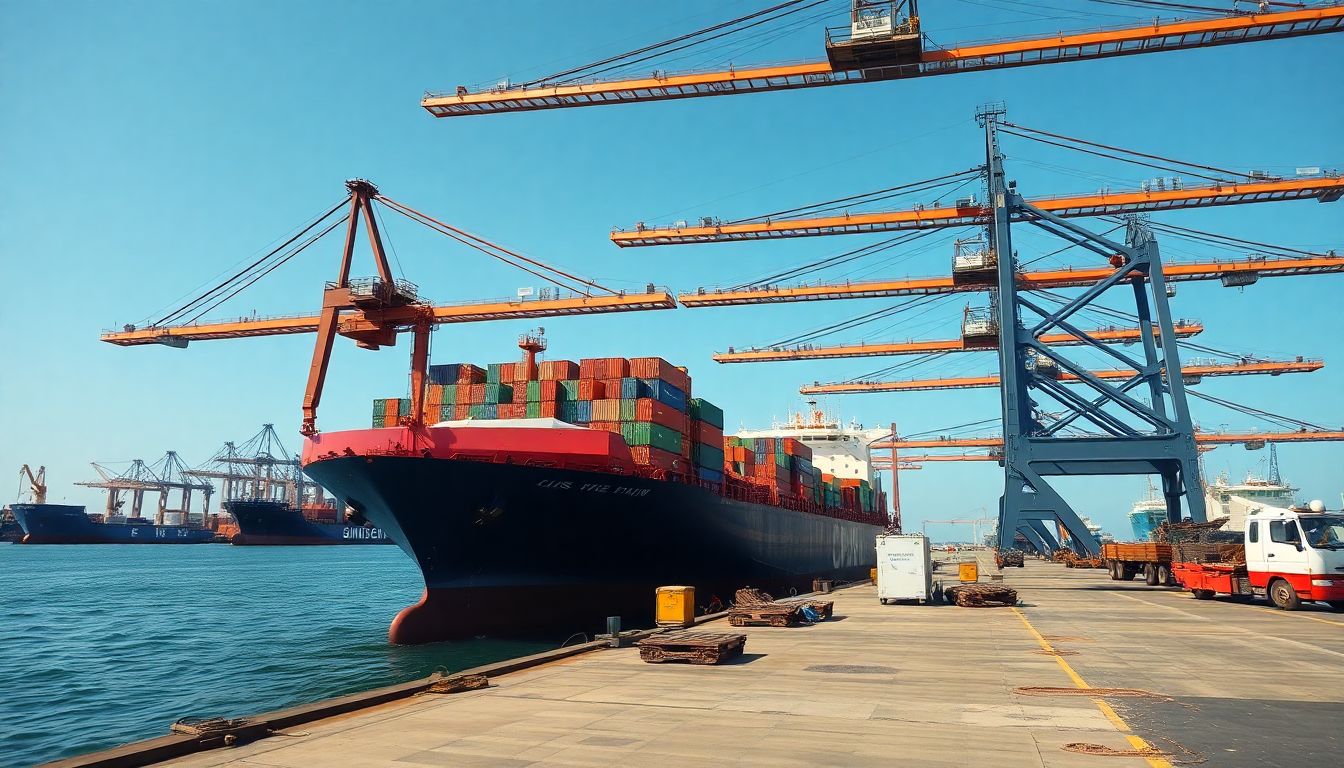
Chennai Port has expanded its trade operations to draw more non-containerised cargo following the rollout of its Non-Containerised Cargo Incentive Scheme in June, port authority officials confirmed.
Under the new initiative, Chennai Port has recently handled several major shipments of diverse non-container cargo. These include 80,000 tonnes of rice, 17,000 tonnes of steel billet, 15,000 tonnes of pulses, and 13,208 metric tonnes of pig iron, also known as crude iron.
The incentive programme was introduced to counter a dip in container traffic caused by ongoing conflict in West Asia. Port authorities sought to widen revenue streams and gain a competitive advantage by attracting alternative types of freight through targeted cost reductions.
Currently, container traffic accounts for nearly 65 per cent of the total movement at Chennai Port, while liquid bulk—comprising crude oil and petroleum products—makes up about 28 per cent. The remainder consists of dry bulk, including barytes, gypsum, and fertilisers, as well as break bulk, such as grains, granite blocks, and steel coils. Officials noted that dry and break bulk volumes had experienced a decline over the years.
To reverse this trend, the Non-Containerised Cargo Incentive Scheme offers substantial discounts on wharfage fees. New firms importing or exporting through Chennai Port, as well as existing firms bringing incremental non-containerised cargo, are eligible for cargo handling fee reductions of up to 80 per cent.
Additionally, existing firms that handle at least 95 per cent of the cargo volume they moved in the previous financial year receive an additional loyalty bonus equivalent to 10 per cent.
Port officials stated that they have also been holding regular consultative meetings with industry stakeholders to encourage more companies to move non-containerised cargo through Chennai Port.