Author Xerxes Ranina Explains Creative Copyright Laws at T Nagar Event
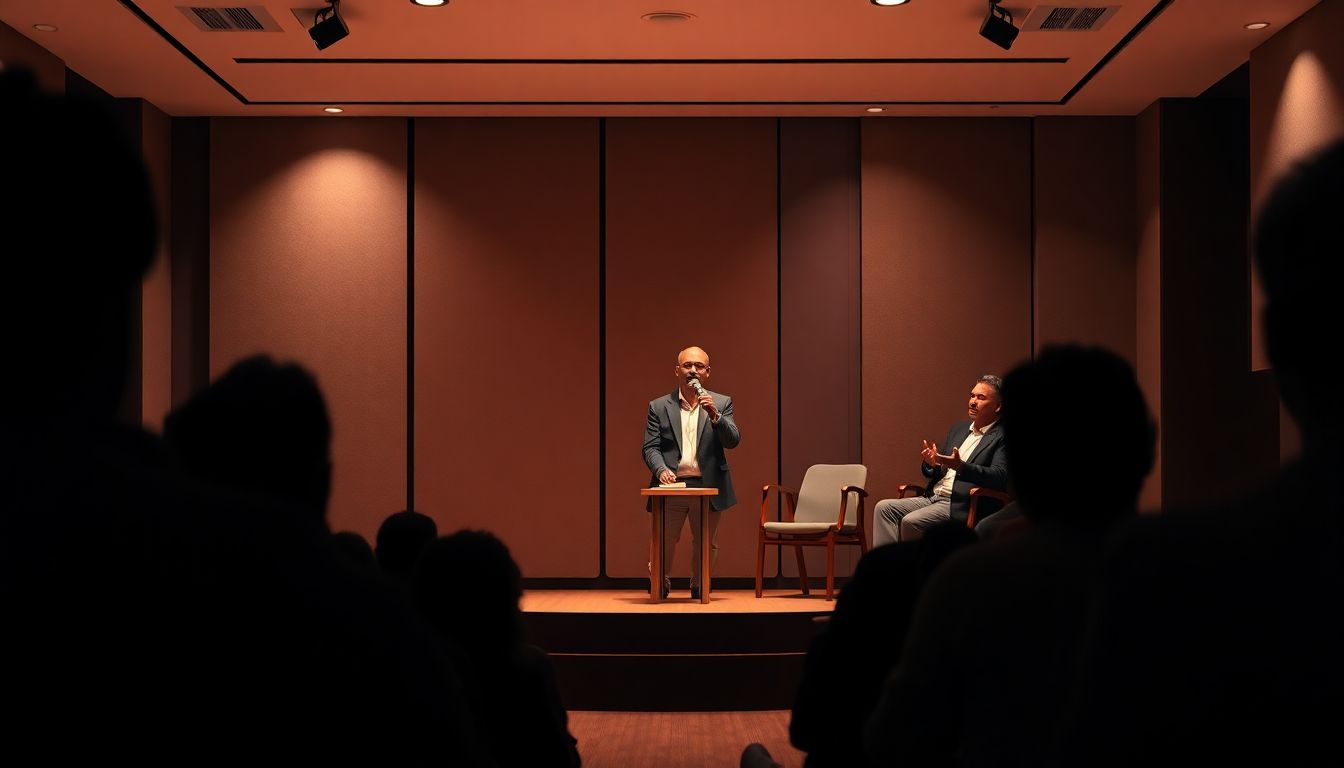
Lawyer and author Xerxes Ranina discussed intellectual property rights, copyright ownership, and his new book 'Who Owns What?' during a session at The Lab@Shanta in T Nagar on September 5. The event was held as part of The Hindu Lit for Life Unplugged, presented by the Prakriti Foundation, featuring Ranina in conversation with Ranvir Shah, the founder trustee of the foundation.
The conversation, which drew from Ranina's book published by HarperCollins India, addressed everyday legal questions that creators encounter regarding contracts, intellectual property, and unauthorised use. Ranina clarified the distinctions between patents, trademarks, and copyright, noting that trademarks cover brands and logos such as Adidas or Pepsi, while patents protect inventions created through an industrial method for an industrial purpose. Copyright, he explained, applies to creative works including literature, music, theatre, photography, and film.
Ranina emphasised that creators gain protection far earlier than commonly assumed, pointing out that copyright protection accrues immediately upon the creation of a work. He noted that young creators often mistakenly believe registration is required before they can assert ownership over their material, stressing that ownership is established the moment the work is made.
The discussion also covered traditional knowledge and the music industry, where ownership questions frequently become complex. Ranina explained that while traditional forms themselves cannot be protected, original additions—such as new elements added to a traditional raga—are eligible for protection. He noted that copyright laws permit song remixes in films under specific conditions, while copyright infringement on social media remains complicated because the sheer volume of users makes enforcement impractical.
Addressing the fashion sector, Ranina cautioned against sweeping claims of copying, explaining that generic dresses cannot be copyrighted unless they feature a unique, specific element. He added that once a piece is produced more than 50 times through an industrial process, designers must seek design protection rather than relying on copyright.
Ranina also highlighted personality rights, observing that a celebrity's likeness covers voice, mannerisms, and distinctive style, while noting that parody remains protected under fair use if not used for commercial endorsement. Turning to artificial intelligence, he stated that creators and legal professionals are navigating uncharted territory, as India currently has no specific laws governing AI.