Union Cabinet's Rs 9,585-Crore Scheme Boosts Tata Motors' Scrappage Network
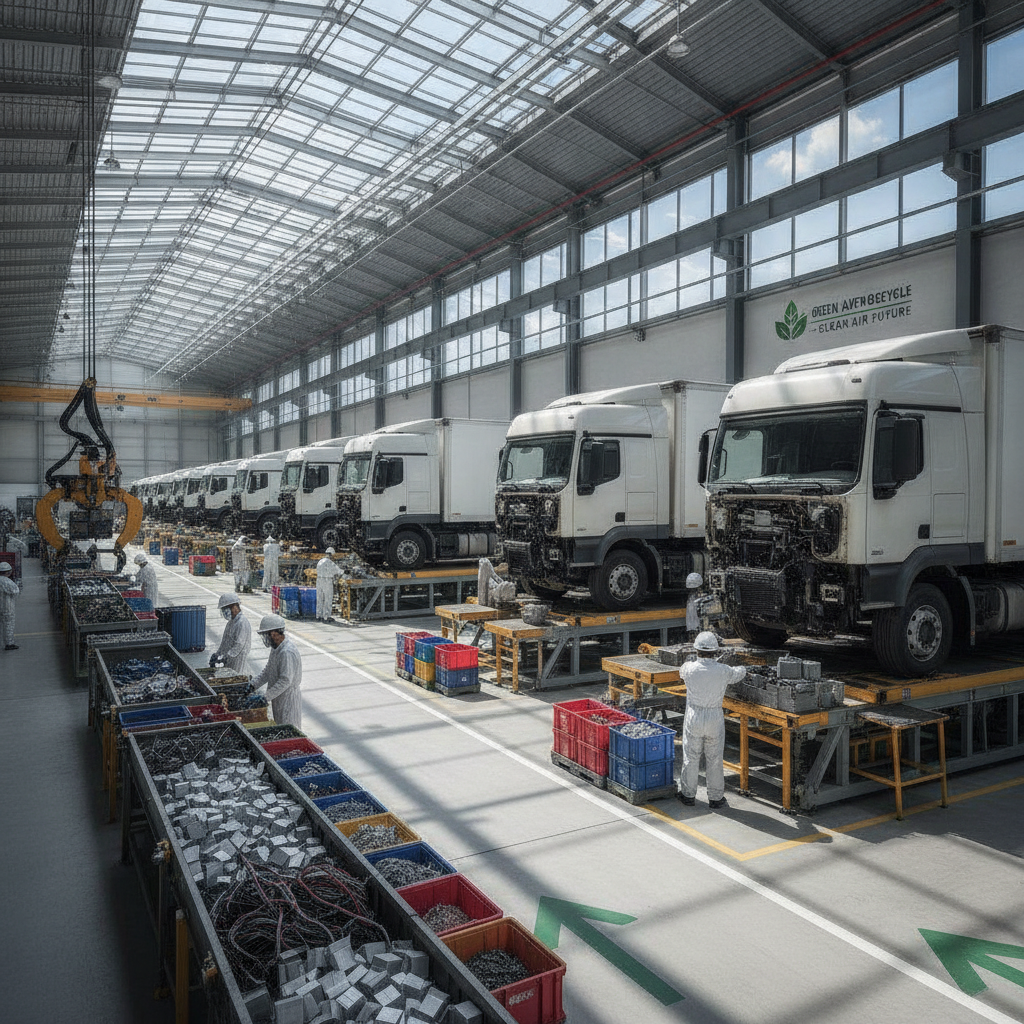
CHENNAI — A Rs 9,585-crore clean-air initiative approved by the Union cabinet has put Tata Motors' vehicle scrappage network into the spotlight as part of efforts to curb vehicular pollution. The two-year scheme, which aims to replace ageing trucks and buses in the Delhi-NCR region, is expected to boost the automotive manufacturer's recycling operations.
Tata Motors operates its scrappage facilities under the Re.Wi.Re (Recycle with Respect) initiative. The company currently has a network of 11 Registered Vehicle Scrapping Facilities (RVSFs) across 10 states, which excludes the southern region. These facilities have the capacity to dismantle more than 1.9 lakh vehicles annually.
The newly approved Rs 9,585-crore scheme is expected to boost vehicle scrappage activity and increase the demand for cleaner vehicles. Because several of Tata Motors' Re.Wi.Re facilities are located in states covered by the Delhi-NCR scheme—including Delhi-NCR, Haryana, Rajasthan, and Uttar Pradesh—the company is well-positioned to benefit from an increase in scrapping volumes.
Vehicle owners in these regions are expected to seek access to formal recycling ecosystems and use the incentives provided under the programme. Additionally, Tata Motors commands a market share of more than 50 per cent in the medium and heavy truck segment across these four specific markets.
The company has been steadily expanding its RVSF network to dismantle passenger and commercial vehicles of all brands using environmentally compliant processes. The Re.Wi.Re centres feature specialised dismantling lines for commercial vehicles, passenger vehicles, two-wheelers, and three-wheelers. They also utilize dedicated systems for handling tyres, batteries, fuels, and other hazardous materials.
To ensure regulatory compliance and improve material recovery, Tata Motors uses digital systems to track vehicles throughout the dismantling process. According to the company's latest annual report, every vehicle undergoes documentation and controlled dismantling designed to meet national responsible scrapping requirements.
The clean-air push comes as environmental data highlights the impact of larger vehicles, with trucks and buses accounting for 36 per cent of PM2.5 emissions despite representing only about 3 per cent of the total vehicle fleet.