TNSCZMA Defends Coastal Clearance For Mamallan Reservoir Project
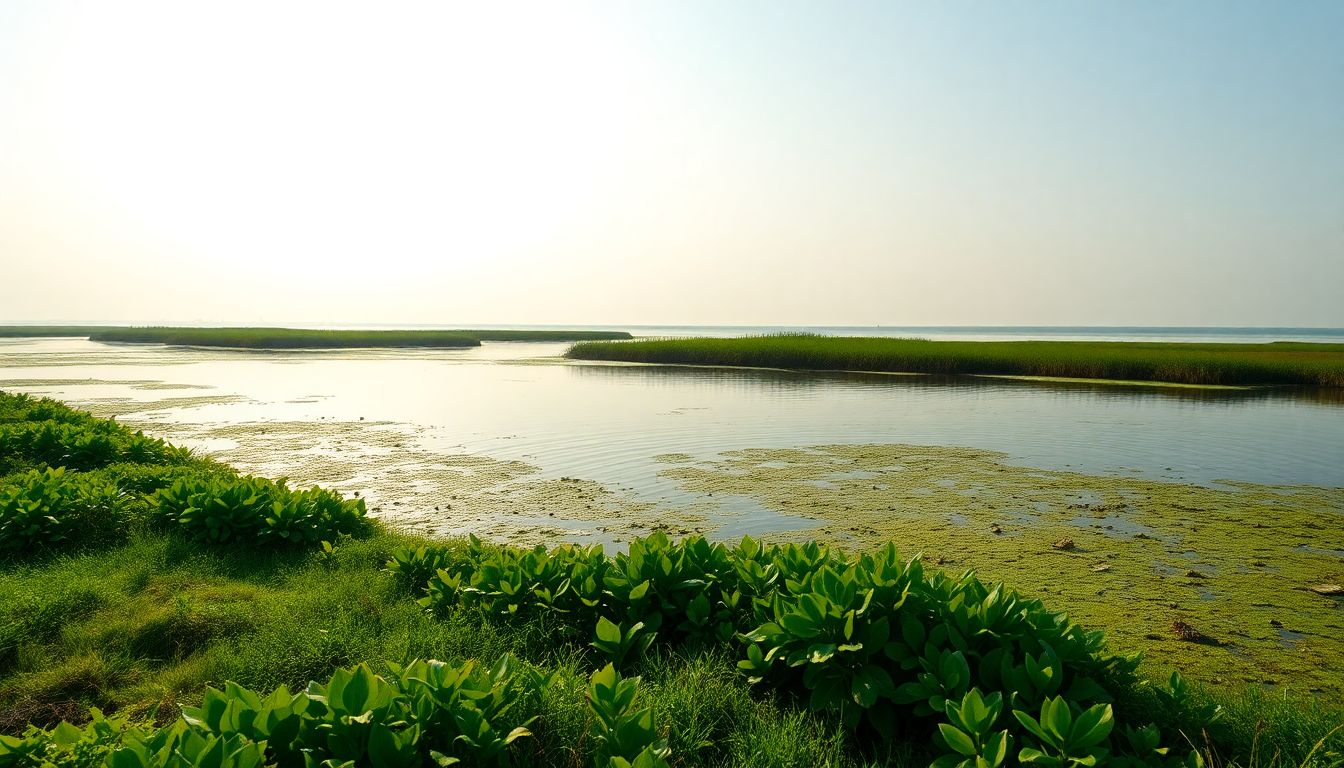
The Tamil Nadu State Coastal Zone Management Authority (TNSCZMA) has defended the Coastal Regulation Zone (CRZ) clearance granted for the proposed Mamallan Reservoir project in the Kovalam sub-basin, located between East Coast Road and Old Mahabalipuram Road.
In a counter-affidavit filed before the Southern Bench of the National Green Tribunal, the authority sought the dismissal of a petition challenging the project's approval. The petition, filed by K. Saravanan, challenged the CRZ clearance issued in December 2025 for the proposed reservoir in Chengalpattu district.
Describing the petition as "misconceived, speculative, and devoid of merits," the TNSCZMA argued that the project complies with the CRZ Notification, 2011. The authority stated that the proposal had undergone multiple levels of technical scrutiny, including examinations by the Chengalpattu District Coastal Zone Management Authority, the Technical Expert Committee, the State Expert Appraisal Committee, and IIT-Madras.
The proposed Phase-I reservoir is designed to cover 1,770.5 hectares (4,375 acres) and hold a storage capacity of 1.655 tmc ft. It aims to address drinking water shortages for approximately 50,000 residents in the southern parts of the Chennai Metropolitan Area, including Nemmeli, Krishnankaranai, Pattipulam, Paiyanur, Kalavakkam, Thiruporur, Thiruvidanthai, and Mamallapuram. The project is also intended to mitigate flooding and prevent seawater intrusion.
According to the counter-affidavit, the reservoir is proposed entirely on inland floodplain poromboke land and does not involve the reclamation of the sea, estuary, or tidal waters. While acknowledging that a large portion of the site is classified as Kazhuveli in revenue records, the authority argued that the area has not been notified under the Wetlands (Conservation and Management) Rules, 2017.
The authority stated that the clearance was granted with several environmental conditions. These include maintaining ecological flows, monitoring salinity, protecting the Kovalam estuary, and preventing sewage and industrial effluent from entering the reservoir.
However, the project faces ongoing opposition from local fishing communities and environmental experts. Representatives from villages along the Nemmeli-Kovalam backwaters have alleged that they were not consulted before the project was approved. They contend that converting the tidal marsh into a freshwater reservoir could harm the brackish water ecosystem, damage local fisheries, and increase flood risks for neighboring villages.