TN Launches Rs 500 Crore Desilting Project Across 11,000 Waterways
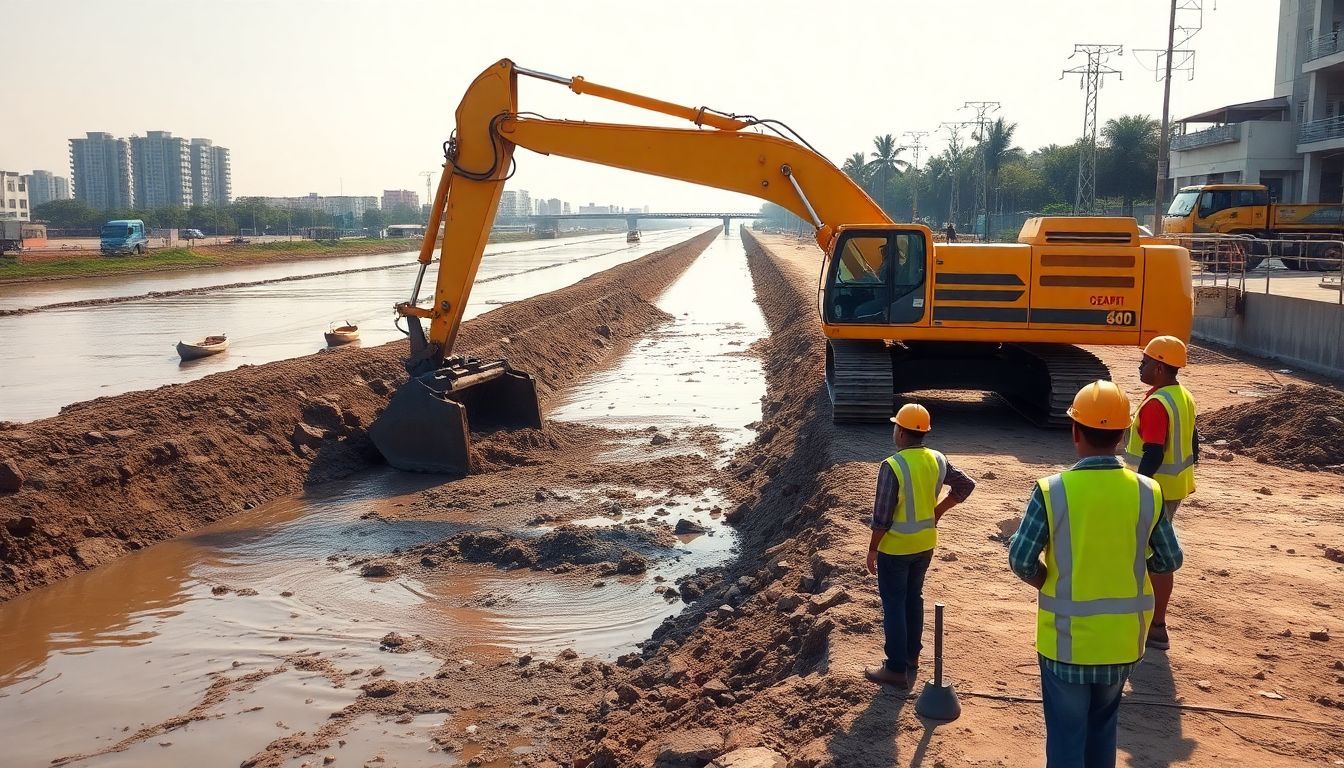
The Tamil Nadu government launched a major desilting and renovation scheme this week covering approximately 11,000 canals and water bodies across the state. In Chennai, the initiative runs alongside existing efforts to desilt the Adyar, Cooum, and Kosasthalai rivers to ensure the free flow of floodwaters during heavy rains.
Water Resources Minister N. Anand inaugurated the scheme, calling for participation from the public, local body representatives, ministers, MLAs, and non-governmental organisations to ensure the works are finished before the onset of the northeast monsoon in October.
The project will desilt 10,185 canals and 809 water bodies at an estimated cost of Rs 500 crore under the VB-G RAM G scheme of the rural development department. The work involves removing wild growth, accumulated sand, and garbage to restore the carrying capacity of channels and storage capacity of lakes and ponds.
The 10,185 canals include channels that convey rainwater from catchment areas to reservoirs, connect interconnected water bodies, and feed agricultural lands. Officials noted that neglected canals frequently suffer from encroachment and blockages, leading to residential inundation during downpours and wasting runoff that could otherwise mitigate summer water deficits.
Beyond flood mitigation, the initiative aims to provide jobs and wages to rural residents under the employment guarantee scheme. Rejuvenating the water bodies is projected to recharge groundwater tables and support agricultural irrigation, preventing the inundation that regularly damages standing crops.
Alongside the statewide desilting drive, the government is formulating a separate Rs 22,004 crore proposal titled 'Greater Chennai Water Supply Augmentation and Flood Mitigation Resilient to Climate Change.' That project plans to create an additional 20 tmc ft of storage capacity upstream of Chennai to address growing drinking water demand and provide long-term flood protection for vulnerable areas.