TN Health Minister Announces New Public Health Act, Elderly Insurance in Assembly
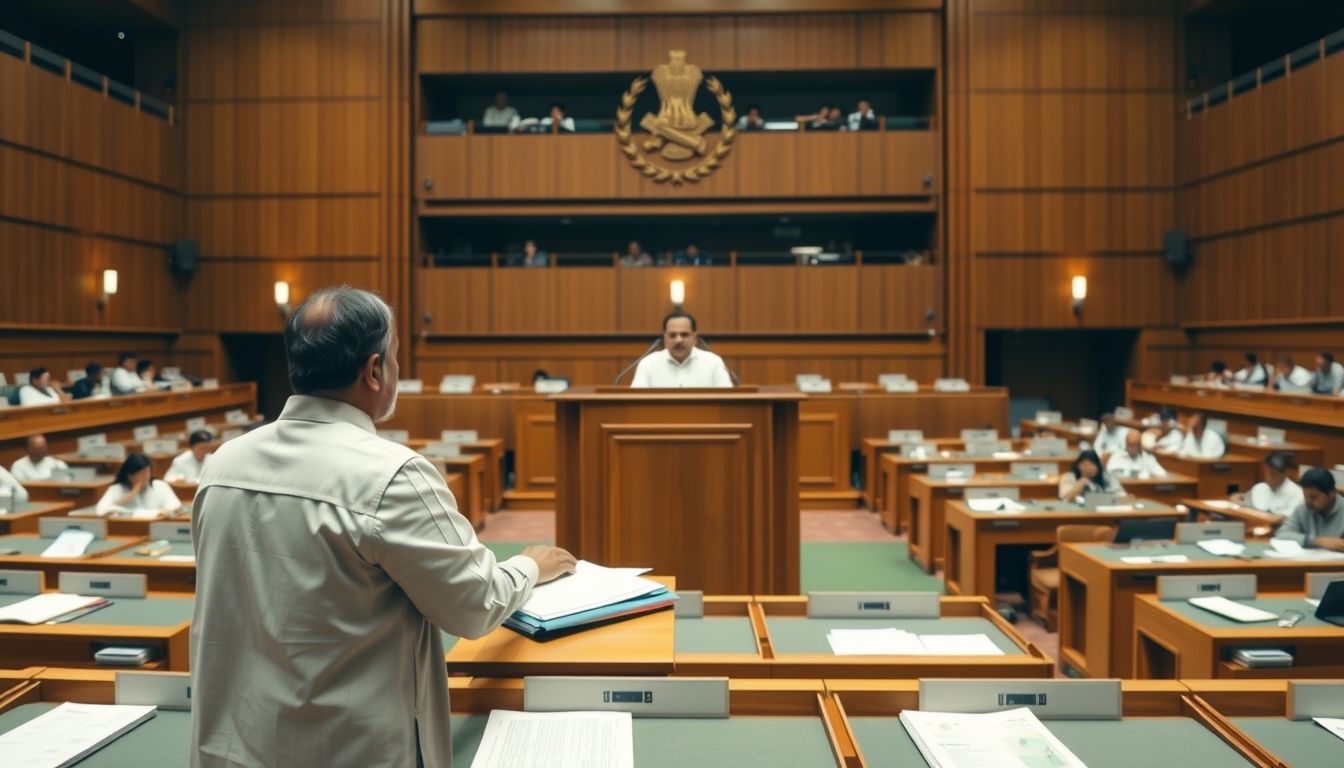
Tamil Nadu Health Minister KG Arunraj announced a series of major public health reforms in Chennai on Monday, including plans to enact a new Tamil Nadu Public Health Act to replace the 1939 law, a dedicated health insurance scheme for senior citizens, and the establishment of a MediCity project.
Winding up the debate on the demand for grants for his department in the Tamil Nadu Legislative Assembly, Arunraj unveiled 115 new announcements for the 2026-2027 period aimed at modernising healthcare infrastructure and widening access to medical services across the state. Under the proposed Public Health Act, the government plans to include a provision that makes home births outside of hospitals a punishable offence.
Among the flagship programmes announced is the Chief Minister's Elderly Insurance Scheme, which will offer free medical treatment to approximately 38 lakh senior citizens aged 70 and above without any income ceiling.
To promote medical tourism and integrated healthcare, the state will establish TN MediCity with an initial allocation of Rs 10 crore. The government will also introduce a 'Positive Health Policy' alongside the 'Nalam 360' mobile application, which will provide free annual check-ups covering 14 basic tests for citizens aged 30 and older at an outlay of Rs 51 crore.
Addressing mental health, the minister outlined an Integrated Mental Health Plan worth Rs 26.87 crore across 12 districts. The initiative includes establishing specialised mental health units, school counselling services, regional tele-mental health hubs, and rehabilitation centres for substance abuse.
The health department will also expand its workforce by appointing around 2,500 nurses on a regular pay scale, creating 1,695 additional roles, and sanctioning 284 new super-specialty medical positions across districts. Specialised care services will be expanded by setting up fertility treatment centres in 31 government medical colleges and six district hospitals, alongside upgrading 29 primary health centres into urban community health centres.