TN Government Issues SOP to Crack Down on Unauthorised Health Institutions
The Tamil Nadu government has issued a Standard Operating Procedure (SOP) to identify and take legal action against unauthorised health sector institutions and unapproved courses. Under the recently issued guidelines, the Registrar of the Tamil Nadu Dr. MGR Medical University in Chennai, along with other state directorates, will coordinate with district-level officers to crack down on non-compliant facilities.
The decision comes after the Health Department received multiple complaints about institutions operating without proper approvals from the Central or State governments, lack of affiliation with recognised universities, or lacking recognition from competent statutory councils or boards. Additionally, some approved institutions were found to be offering specific courses without the requisite affiliation, recognition, or statutory sanction.
The scope of the SOP covers the entire spectrum of health education. This includes medicine, dentistry, nursing, pharmacy, allied healthcare, rehabilitation sciences, public health, and Indian Systems of Medicine such as ayurveda, siddha, unani, homeopathy, yoga, and naturopathy. According to the government order, these unauthorised institutions often mislead students into enrolling in high-cost courses, causing financial loss, academic uncertainty, and long-term career damage, while also posing significant risks to public health.
To standardise the crackdown, the Joint Director of Health Services (JDHS) has been designated as the nodal officer at the district level. Every year on April 1, the Registrar of Tamil Nadu Dr. MGR Medical University, along with the Directorate of Medical Education and Research, the Directorate of Public Health and Preventive Medicine, and the Directorate of Indian Medicine, must provide the JDHS with district-wise lists of approved institutions and courses.
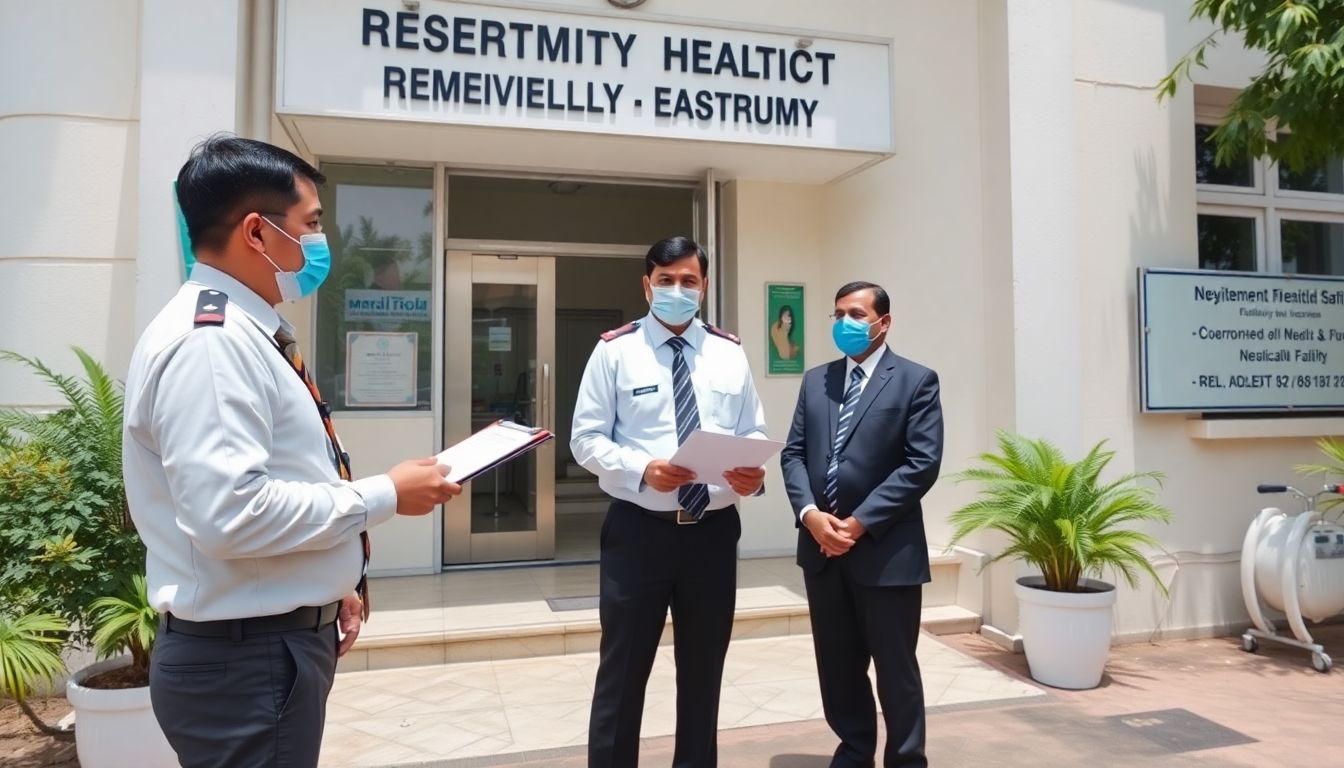
Upon receiving a complaint, the JDHS will form an inspection team to visit the suspected institution. The team will verify the institution's authorisation, check if courses have the required approvals, and examine student admission records, fee collection, infrastructure, and clinical training facilities. A report of these findings will then be submitted to the District Collector.
If violations are confirmed, the JDHS will submit a factual report to the Collector. With the Collector’s approval, a formal complaint will be filed with the Superintendent or Commissioner of Police. Legal action will be pursued under relevant sections of the Bharatiya Nyaya Sanhita 2023, targeting offences such as cheating, dishonest inducement, forgery, misrepresentation, and endangering public safety and health.
Additionally, the Collector is empowered to take steps to halt further admissions to these unauthorised institutions and, where warranted, order their closure following due legal process.
Under the new rules, the state directorates must publish updated lists of approved institutions and courses on their websites every April 1. Institutions are also required to prominently display their statutory approvals, council recognitions, and affiliation details on their premises and official websites.