TN Government Appeals HC Ruling Striking Down Muslim Quota For Converts
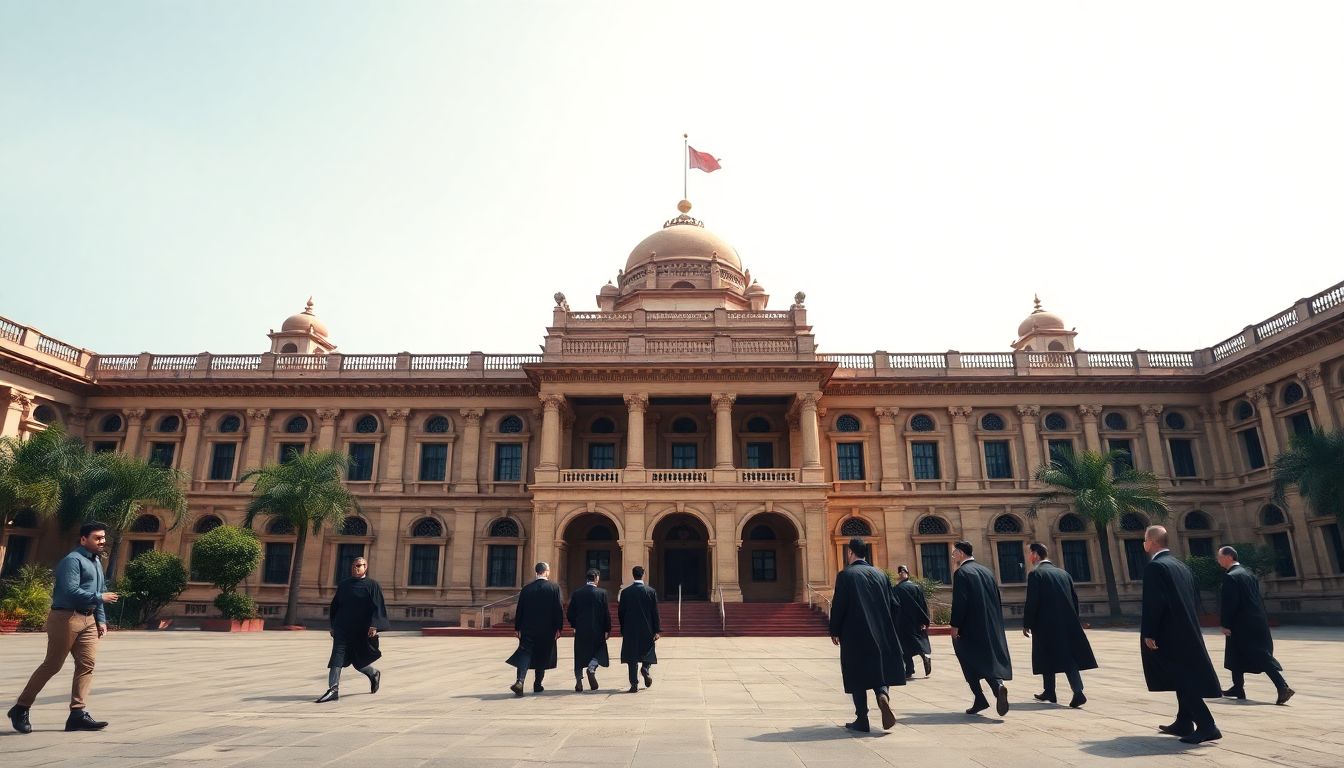
The Tamil Nadu government has appealed to the Supreme Court of India to challenge a Madras High Court judgment that struck down a March 9, 2024 Government Order. The ruling, delivered in Madras, had invalidated a state policy allowing individuals who converted to Islam to claim reservation benefits under the Backward Class (Muslim) category.
The appeal was filed by the secretary to the state government against the High Court's decision, which declared the provincial order unconstitutional. The outcome of the Supreme Court appeal will determine whether converts to Islam from various categories can legally claim these reservation benefits based on their conversion.
The disputed Government Order had permitted individuals belonging to Backward Classes (BC), Most Backward Classes (MBC), Denotified Communities (DNC), or Scheduled Castes (SC) who subsequently converted to Islam to be treated as BC (Muslim). This designation would allow them to obtain community certificates under one of seven notified Muslim communities to access reservation benefits.
However, a Madras High Court division bench comprising Justices GR Swaminathan and PB Balaji struck down the order. The bench ruled that the Government Order was contrary to binding judicial precedents of both the Supreme Court and the Madras High Court.
In its ruling, the High Court observed that a person converting to Islam could only be treated as a Muslim. The court stated that an individual cannot, solely by virtue of conversion, be classified as belonging to any specific notified Backward Class Muslim community for the purpose of reservation.
The legal battle began with a petition filed in Madras by Sameer Ahamed, who converted from Hinduism to Islam in 2015. His conversion was formally notified through a Gazette notification in 2016. Following his conversion, Ahamed married according to Islamic rites and later applied for a community certificate identifying him as a member of the "Muslim Lebbai" community to avail reservation benefits.
Ahamed's application was rejected by the local tahsildar, which prompted him to file the petition in the High Court, ultimately leading to the striking down of the state government's order.