TN Assembly Passes Resolution Demanding Permanent Freeze on Lok Sabha Seats
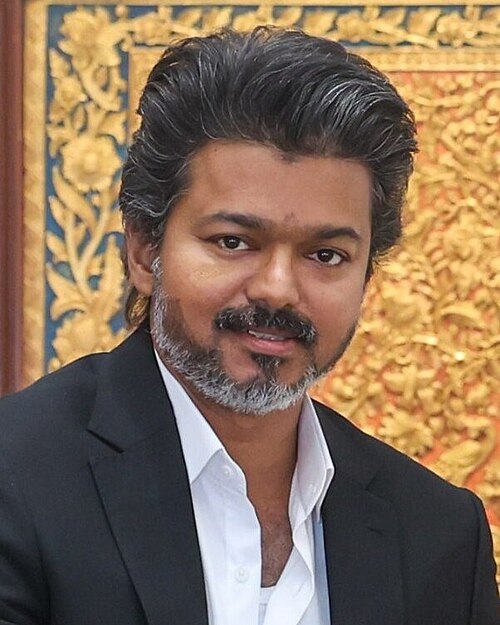
Chief Minister C Joseph Vijay moved a resolution in the Tamil Nadu Legislative Assembly in Chennai on Wednesday, demanding a permanent freeze on the number of Lok Sabha members at 543 based on 1971 census figures. The Assembly passed the resolution with a majority, opposing any future delimitation of parliamentary constituencies based on censuses conducted after 1971 and calling for the immediate implementation of a one-third reservation for women in the 2029 Lok Sabha elections.
The resolution received backing from the main opposition party, the DMK, alongside the Congress, CPI, CPM, IUML, VCK, and Manithaneya Makkal Katchi. The AIADMK, PMK, and BJP opposed the measure. The DMK's support occurred despite the party previously declining to attend an August 8 meeting of all-party Members of Parliament convened by the ruling TVK and chaired by Vijay.
Moving the resolution, Vijay stated that the proposal was intended to permanently protect the rights of the people of Tamil Nadu rather than represent a single political party. He noted that Tamil Nadu and other States had successfully implemented population control programs and recorded economic progress over the past 50 years, arguing that proposed delimitation based on recent population growth would unfairly affect these States.
The passed resolution urged the Centre to permanently retain the existing inter-State distribution of Lok Sabha seats and maintain the Lok Sabha-to-Rajya Sabha ratio at 2.2:1. It also called for the 33 percent reservation for women in the 2029 parliamentary elections to be applied directly to the existing 543-seat strength.
The resolution noted that a prior Constitution Amendment Bill, which sought to lift the 50-year freeze on delimitation, apply the 2011 Census, and expand Lok Sabha strength from 550 to 850 members in April 2026, failed to clear its floor test in Parliament. Vijay added that his TVK-led government supported political power for women, pointing to 50 percent reservation for women in local bodies as a model for parliamentary and state legislative representation.