Tamil Nadu Unveils 2026-27 Tech Policy With Focus on AI and Digital Governance
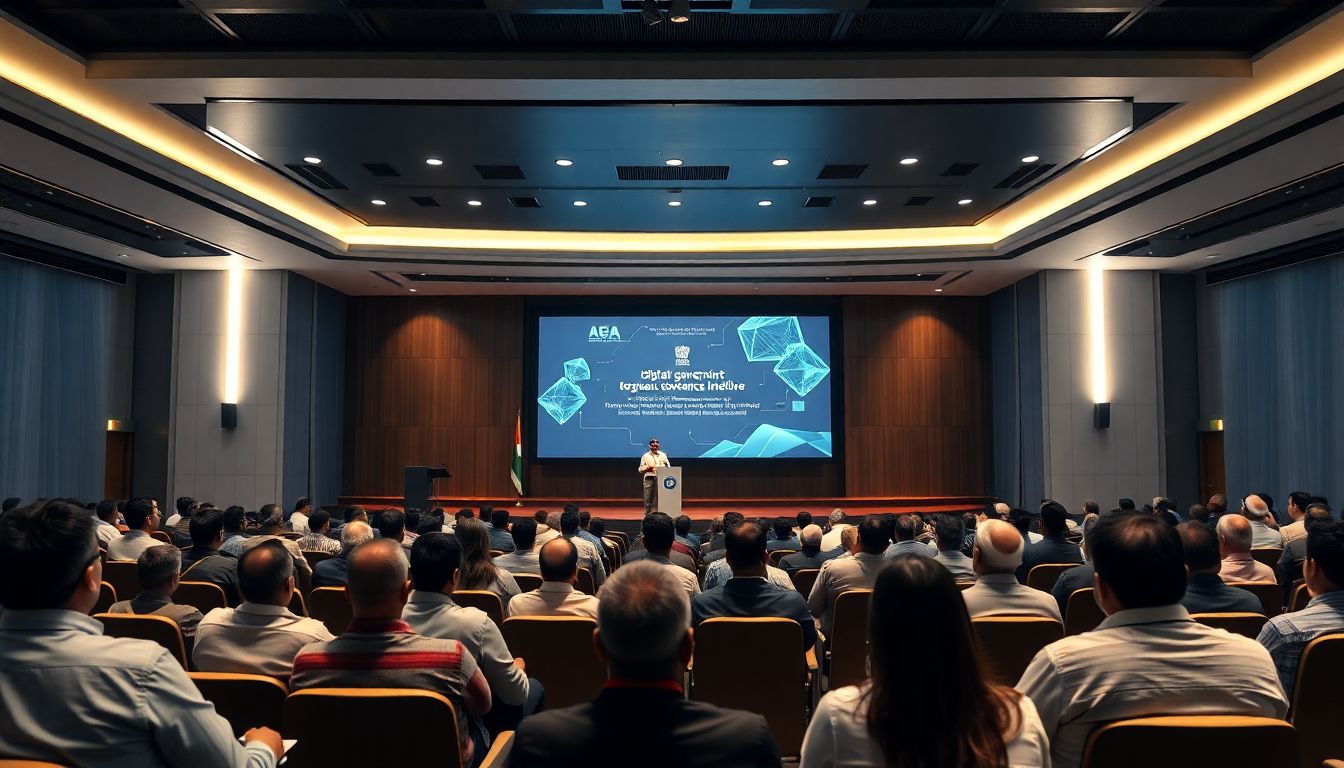
Tamil Nadu has outlined an ambitious technology roadmap for 2026-27, prioritising artificial intelligence, digital governance, cybersecurity, high-speed connectivity, and deep-tech innovation. Tabling the Policy Note in the Legislative Assembly, Dr. Kumar R., Minister for Artificial Intelligence, Information Technology and Digital Services, announced that the state is expanding IT infrastructure beyond Chennai into Tier-II and Tier-III cities while strengthening emerging technology sectors.
According to the policy note, Tamil Nadu’s IT exports exceed Rs. 2.5 lakh crore annually, with the sector providing direct and indirect employment to more than 20 lakh people.
A key focus for the year is the expansion of the Tamil Nadu Artificial Intelligence Mission (TNAIM), initially established in 2024. The mission's scope is being widened to cover AI, quantum technology, AVGC-XR, and deep tech, targeting applications in health, agriculture, education, citizen services, urban administration, and social welfare. As part of this push, ELCOT proposes to establish a Tamil Nadu AI Centre of Excellence, with TNeGA, ELCOT, TIDCO, and IIT Madras collaborating on the broader initiative.
The government is also introducing regulatory safeguards for artificial intelligence deployments. Public AI systems will be evaluated through the TAM-DEF framework and deployed under the DEEP-MAX Scorecard. Under these rules, citizens affected by AI-assisted government decisions will have the right to be informed of AI usage, receive written explanations in Tamil or English, and seek reviews from designated human officers.
Cybersecurity measures under the state's cyber emergency response body, TN-CERT, were also highlighted. Between September 2020 and July 2026, TN-CERT identified over 1,500 vulnerabilities, handled more than 475 incidents, conducted over 130 capacity-building programmes, and trained more than 3,200 government officials.
Digital governance expanded significantly through administrative platforms. Across configured government offices, 65,95,723 e-files have been created under e-Office, while the official state email service now supports approximately 2.25 lakh users. In terms of rural connectivity, the state reached 97 per cent of its BharatNet target via TANFINET, commissioning 12,152 out of 12,525 proposed Gram Panchayats as of August 13, 2026.
To support early-stage ventures, 75 startups received assistance totalling Rs. 1.80 crore under the Tamil Nadu Startup Data Server Services Scheme, which provides eligible startups with annual aid of up to Rs. 5 lakh for data centre services.