Tamil Nadu Shifts Family Planning Strategy to Focus on Family Well-Being
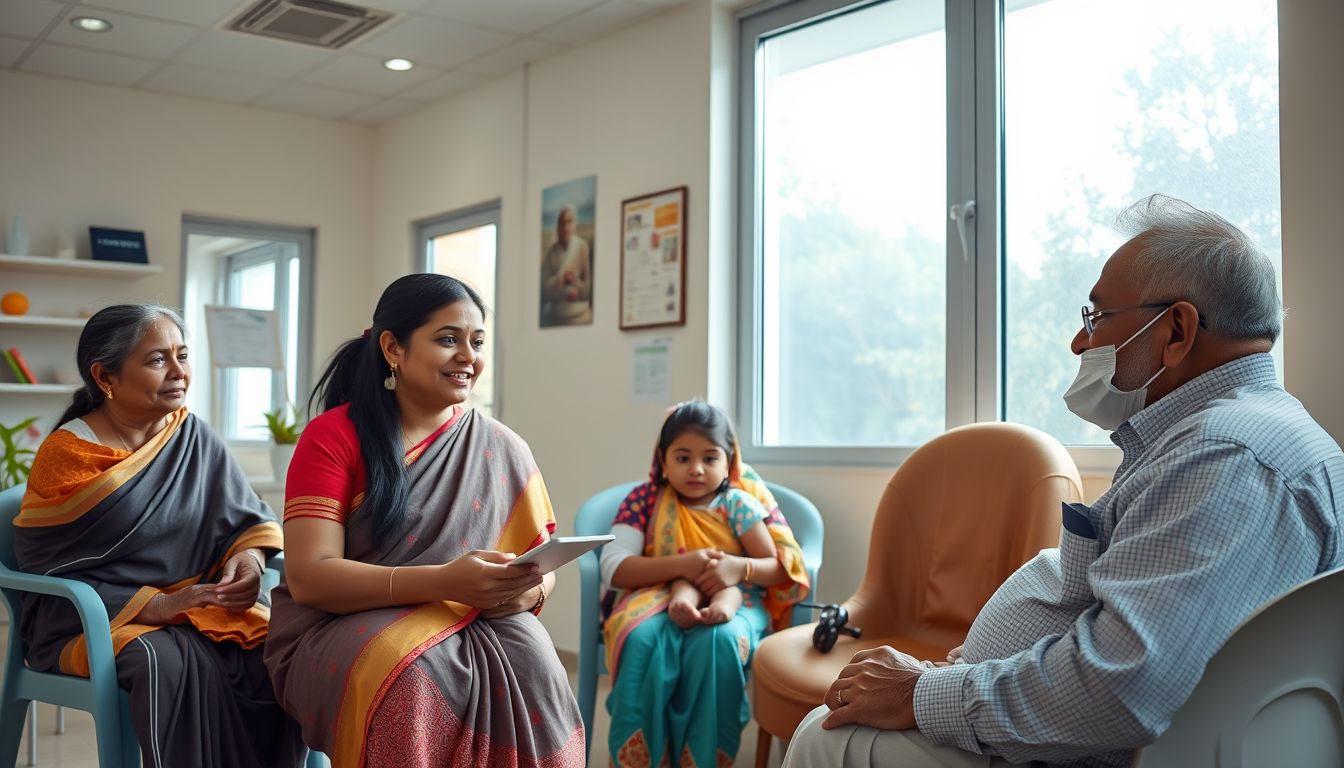
Tamil Nadu is shifting its state family planning strategy from population control to family well-being, Health and Family Welfare Minister K.G. Arunraj announced in Chennai on Monday while tabling the department's policy note for discussion on demand for grants.
The minister stated that the state's vision is to ensure every family attains its desired size, where every pregnancy is wanted, every birth is safe, and every child born is enabled to thrive. He noted that past programmes successfully brought the state to a new demographic frontier, but three decades of below-replacement fertility have contracted the cohort of women entering reproductive ages and steadily lowered annual registered births.
Warning of the demographic challenges ahead, Arunraj said that people aged 60 and above currently make up about 16 per cent of the state's population, a figure projected to approach one in five by 2036. According to the National Family Health Survey, older adults constitute 16.3 per cent of the population. The minister cautioned that leaving fertility age and replacement rates unattended would lead to an ageing society, a shrinking workforce, and eventually an absolute population decline.
As part of this shift, Tamil Nadu's health policy will increasingly focus on non-communicable diseases such as hypertension, diabetes, and obesity, which now represent the leading causes of mortality and morbidity in the state. The health system will expand geriatric services, long-term disease management, and rehabilitative care.
The minister announced plans to replace the 87-year-old TN Public Health Act 1939 with a modern, future-oriented law and to introduce a positive health policy. A new mobile application named 'Nalam 360' will be launched to provide guidance on healthy nutrition, exercise, obesity reduction, and mental counselling.
To enhance healthcare infrastructure, the government will prepare a masterplan alongside a detailed project report for 'TN Medicity', an initiative aimed at offering medical facilities, research, and medical tourism. Super speciality medical facilities will be set up in all districts, creating 284 vacancies.
The minister also announced the 'Chief Minister’s Elderly Health Insurance Scheme' to cover approximately 38 lakh senior citizens without an income ceiling. Additionally, comprehensive free medical check-ups will be provided across government medical college hospitals, government hospitals, and primary health centres. Staffing expansions include recruiting 3,594 medical staff, creating 2,500 nursing posts on time-scale payment, and adding 1,695 nursing posts on consolidated payment.