Tamil Filmmakers Bharathiraja and K. Bhagyaraj Pass Away Two Weeks Apart
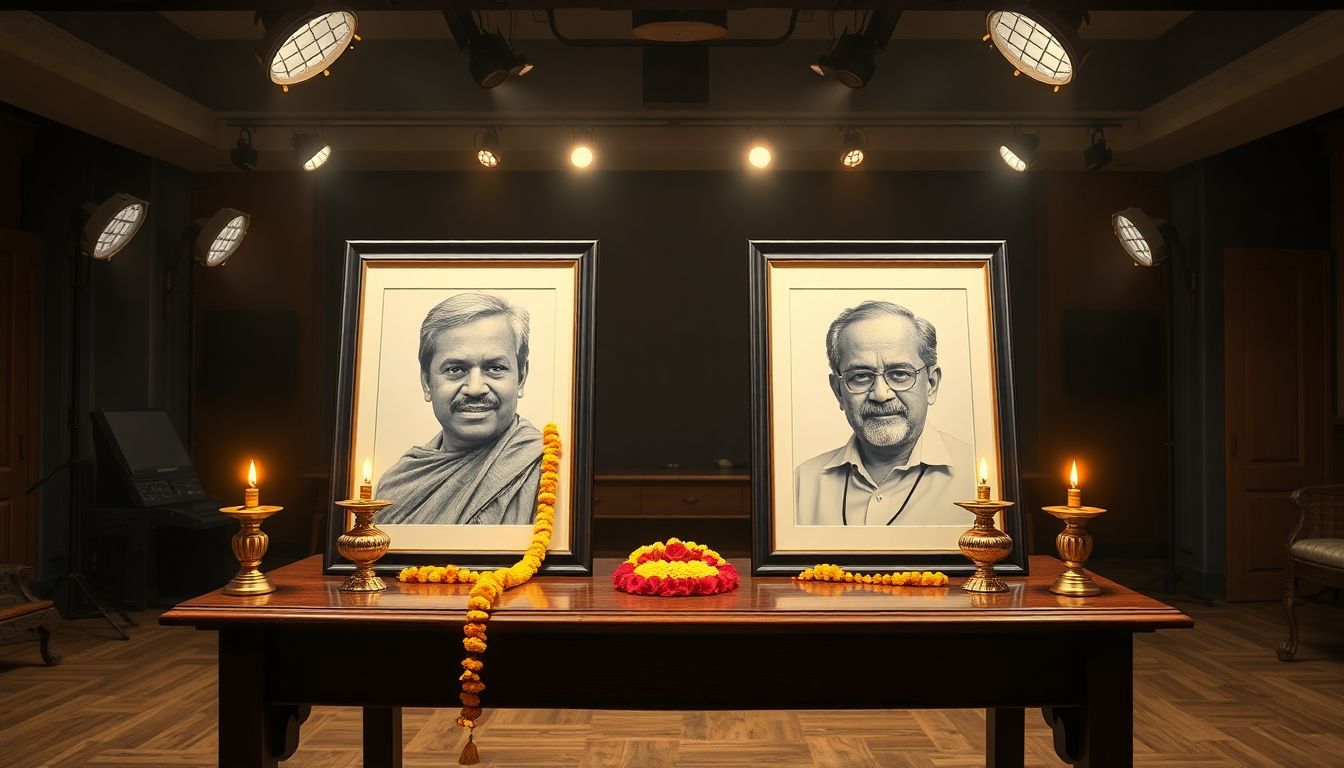
The deaths of legendary Tamil filmmakers Bharathiraja and K. Bhagyaraj, occurring just two weeks apart, have prompted widespread reflection on their transformative impact on Tamil cinema. News of Bhagyaraj's passing was received in Thukkachi, a village near Kumbakonam, shortly after the demise of his mentor Bharathiraja, marking the end of an era for directors who redefined the cinematic grammar of the region.
Bhagyaraj, who began his career as an associate of Bharathiraja, was a multi-faceted creator who worked as a director, actor, scriptwriter, and dialogue writer. Together, the duo departed from traditional commercial filmmaking conventions. Bhagyaraj in particular was noted for replacing larger-than-life heroes with ordinary, witty, and vulnerable protagonists who won audiences over with intelligence and self-deprecating humour.
His films, such as 'Thooral Ninnu Pochu'—remembered by audiences near Putheri Lake in the Kanniyakumari district for its iconic song 'Erikkarai Poongatre'—and 'Indru Poi Naalai Vaa', showcased ordinary men in relatable, humorous situations. In 'Indru Poi Naalai Vaa', Bhagyaraj's character famously performed mundane tasks like accompanying a heroine's mother to a ration shop and sketching a donkey to secure medicine, relying on comic timing rather than machismo.
In contrast, Bharathiraja focused on serious themes, capturing the emotional and rural landscapes of Tamil Nadu. His film '16 Vayathinile' remains celebrated for its sensitive dialogue, such as the poignant line spoken by the character played by Sridevi to Kamal Haasan's character, promising to always wait for him.
Bhagyaraj's 'Suvar Illatha Chithirangal' also left a lasting cultural impact, popularizing colloquial terms like 'siluvanam' and featuring memorable performances by comedy actors Kallapetti Singaram and Goundamani in the authentic Kongu dialect.
The legacies of both filmmakers remain deeply intertwined with the historical experience of rural touring talkies and temple festivals, where songs from Bhagyaraj's 'Mouna Geethangal' and 'Suvar Illatha Chithirangal' continue to be requested by audiences, cementing their roles as pioneers of realistic and humorous Tamil storytelling.