Supreme Court Urges Centre to Teach Third Language in Class 5 or 6 Instead of Class 9
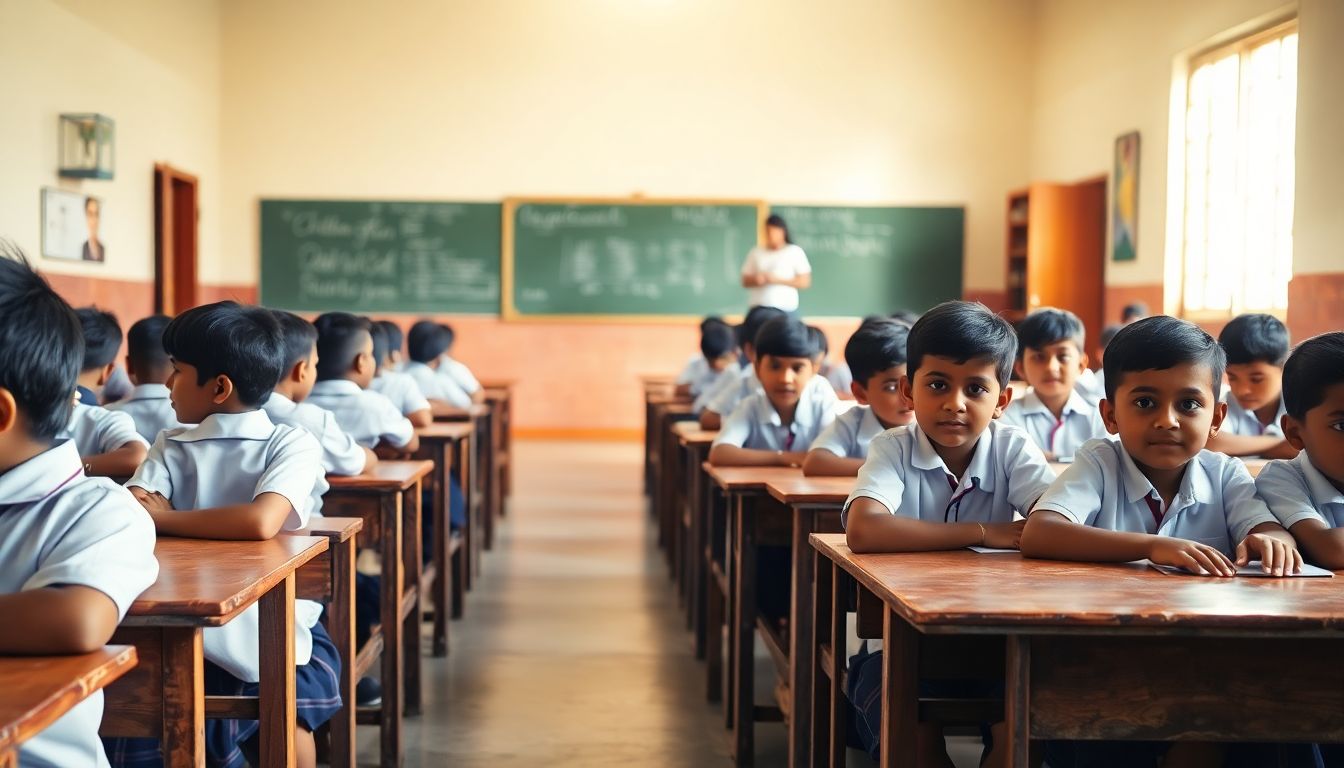
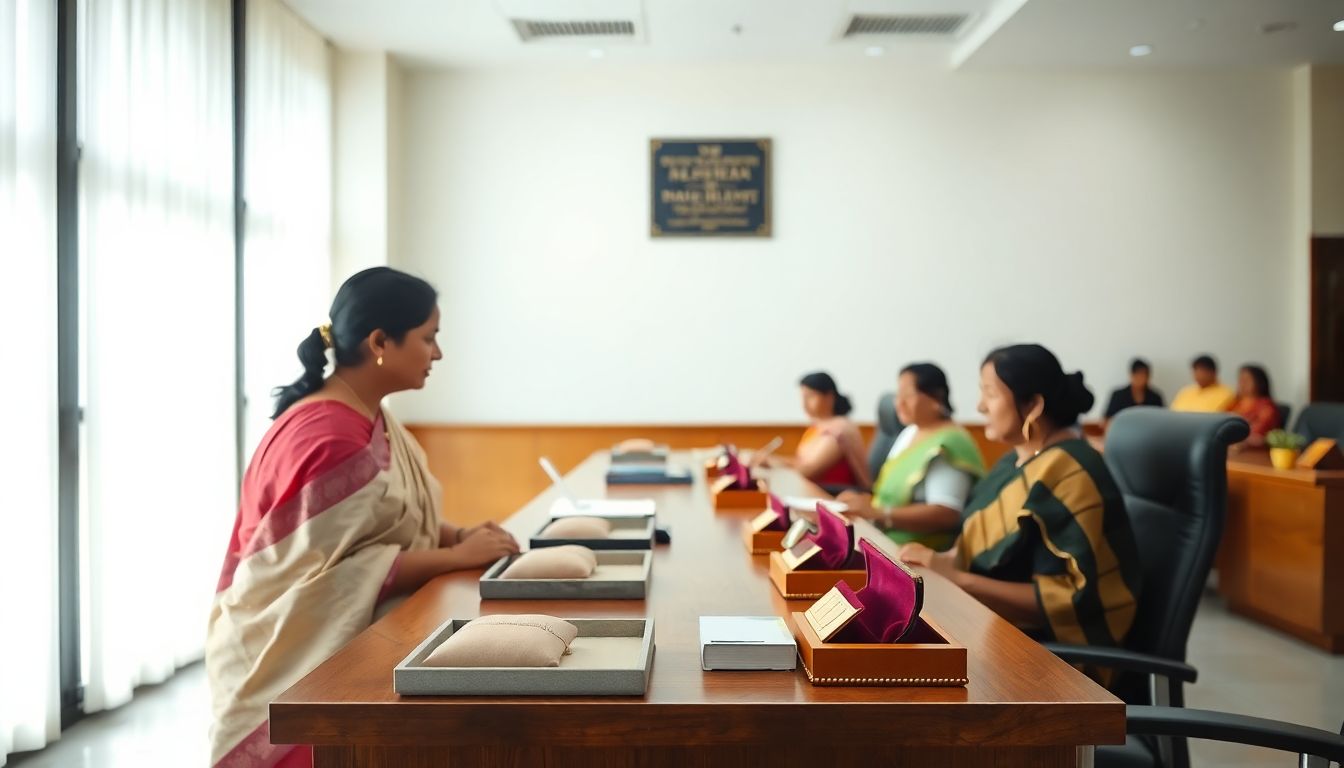
On Thursday, the Supreme Court of India voiced concerns over introducing a third language in Class 9 under the CBSE curriculum, during a hearing on the Tamil Nadu government's plea against a Madras High Court directive. The bench suggested that the third language should instead be introduced in Class 5 or 6 to prevent unnecessary student stress.
A bench of Justices BV Nagarathna and R Mahadevan orally advised the Union government against introducing a third language at the Class 9 level. Justice Nagarathna noted that Class 9 is already highly stressful for students and suggested that any new language should be introduced earlier, such as in Class 5 or Class 6, so that students can cope with it.
The Tamil Nadu government has consistently opposed setting up Jawahar Navodaya Vidyalayas (JNVs) in the state due to concerns over the three-language policy curriculum followed by these schools. During the hearing, the counsel for the state government argued that the state's objection specifically relates to this three-language curriculum.
Justice Nagarathna clarified that the policy does not mandate Hindi as the third language, pointing out that the curriculum requires the state language, English, and any third language. When the state's counsel noted that the third language becomes compulsory only from Class 9, Justice Nagarathna reiterated that introducing it so late is stressful and suggested Class 6 instead.
Advocate G Priyadarshini, appearing for the respondent NGO "Kumari Maha Sabha", submitted that the National Education Policy specifically provides that no language should be imposed on any state.
The bench also cautioned the Tamil Nadu government against rejecting central schemes simply because they originate from the Union government. Justice Nagarathna urged the state not to prevent Central government schools from operating, noting that discussions between the Centre and the state regarding the establishment of Navodaya schools are currently underway.
The legal battle stems from a 2017 Madras High Court order directing the state to establish a JNV in every district. The High Court had ruled that refusing to permit these schools curtailed students' right to choose educational institutions under the Right to Education Act. The Supreme Court had stayed this order on December 11, 2017, but modified it on December 15, 2025, directing the state to identify land for the schools while talks continued.
The Supreme Court has posted the matter for further hearing on August 11, noting that talks between the Centre and the state have not concluded.