Shetty Urges Tamil Nadu to Keep Secretariat at Fort St George or Build Satellite City
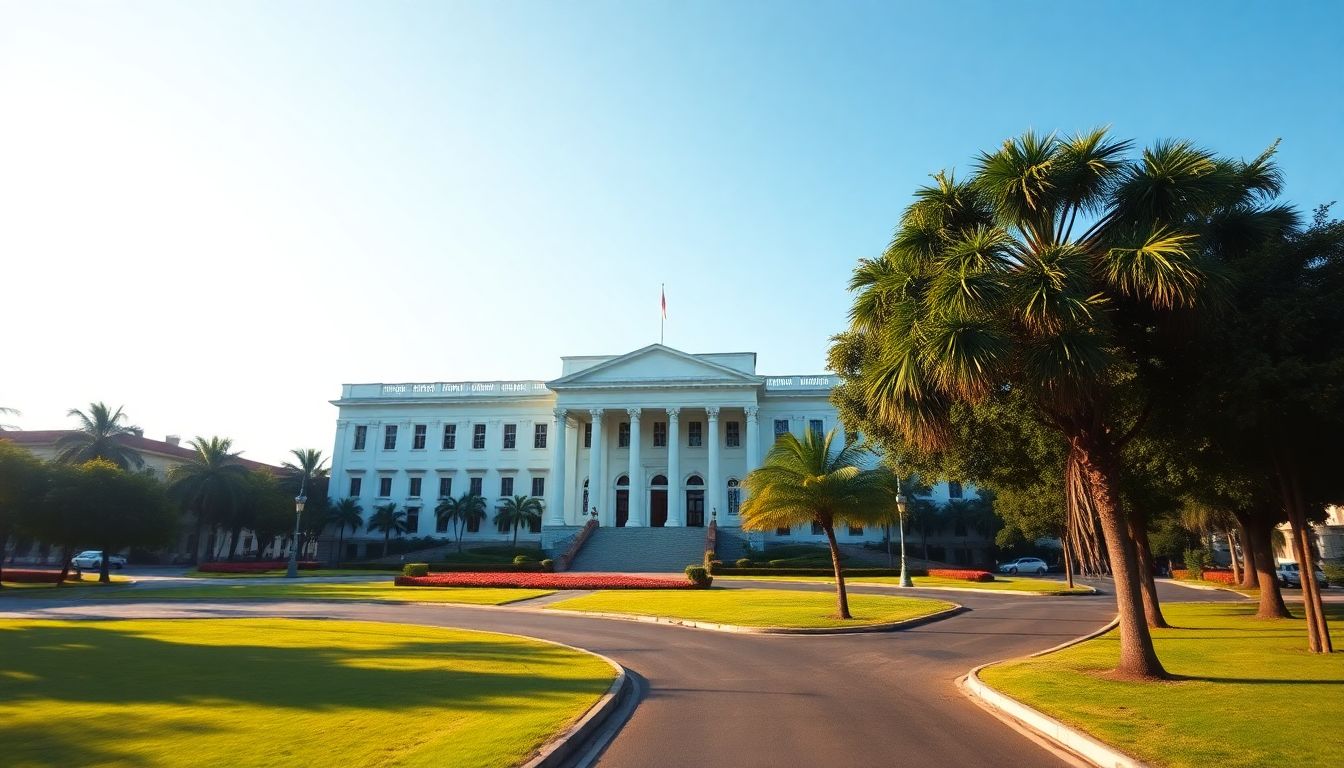
Tamil Nadu should retain its historic seat of power at Fort St George in Chennai rather than moving the state secretariat into the city's congested core, or alternatively develop a planned, climate-resilient satellite city, according to an analysis by K Ashok Vardhan Shetty. Over the past quarter-century, successive state governments have sought to relocate the secretariat, though every proposal was abandoned amid controversy, with one completed complex ultimately repurposed into a multi-speciality hospital.
Shetty noted that the secretariat is best kept at Fort St George, where its central location, excellent transport connectivity, and proximity to principal government directorates outweigh congestion concerns. Nearly four centuries of administrative continuity should not be casually discarded, and shifting the secretariat away from key directorates risks weakening governmental coordination while inconveniencing both officials and citizens.
If constructing a new administrative complex becomes unavoidable, Shetty warned against shoehorning it into Chennai's congested core, which would worsen traffic, pollution, land pressure, and infrastructure strain. He also cautioned against building on the periphery without a comprehensive plan that creates an isolated administrative enclave. Instead, he recommended that Tamil Nadu establish India's first compact, vertical, and climate-resilient satellite city near Chennai, anchored by the new secretariat, legislative assembly, and key government offices.
Such institutional seeding would serve as an immediate economic engine for the region, according to the proposal. Relocating these offices could also release valuable beachfront parcels in Chennai currently occupied by government offices and public housing for premium commercial and civic redevelopment, beautifying the coastline and funding satellite-city infrastructure. Fast shuttle services operating every 15 minutes would connect the satellite city with Chennai.
Highlighting broader urban challenges, Shetty pointed out that Demographia identified 66 million-plus urban areas in 2025, while the United Nations recognized five megacities with populations exceeding one crore, including Chennai. Narrow roads and civic infrastructure currently constrain the average Floor Space Index (FSI) to between 1 and 2 in most Indian cities, driving horizontal sprawl. In contrast, a vertical satellite city with an average FSI of 6 could theoretically house one crore people within a compact 100 square kilometres, compared to the 500 square kilometres required at an FSI of 1.2.
Under Shetty's model, the satellite city would adopt a 15-minute city layout featuring wide footpaths, protected cycle tracks, dedicated bus rapid transit lanes, and restrictions on private vehicles. The biophilic design would reserve at least 25 percent of land for greenery and 8 percent for public open spaces, while preserving existing lakes, wetlands, and natural drainage channels. Furthermore, with India currently treating barely 28 percent of urban sewage, the proposed satellite city would treat all wastewater for reuse in construction, landscaping, and non-potable applications.