Perungudi Lake Volunteers Clean Rapid Spread of Water Hyacinths
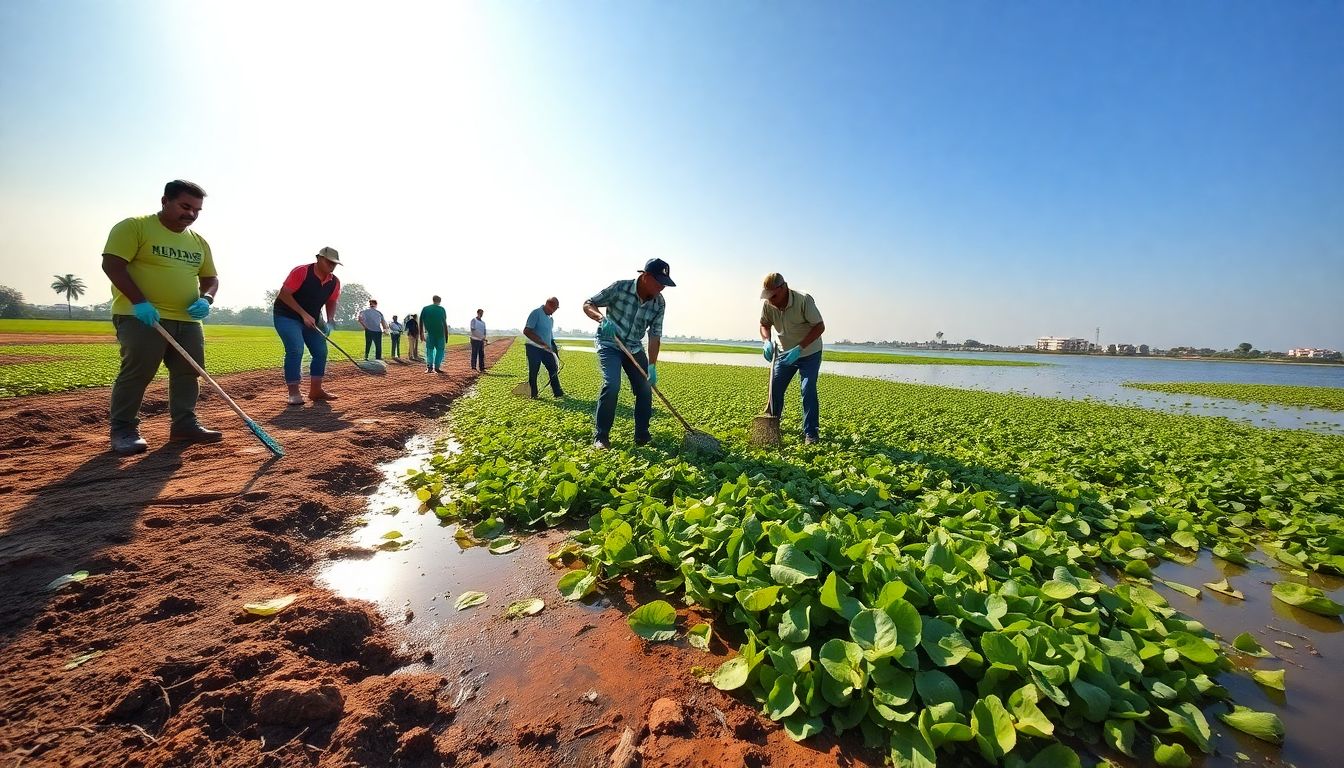
Members of the Perungudi Lake Area Neighbourhood Environment Transformation (PLANET) Association organised a cleaning programme on Saturday to manually remove water hyacinth from Perungudi Lake in Chennai. The invasive weed has spread rapidly across the waterbody in recent months, marking its first appearance there in nearly a decade.
The association initiated the manual clean-up to address deteriorating water quality and ecosystem health, while hoping the effort would draw the attention of the Greater Chennai Corporation, Public Works Department (PWD), and Water Resources Department (WRD) to secure official support for clearing the weed and safeguarding the lake.
According to Shaju John of PLANET, water hyacinth thrives predominantly in contaminated water, restricting flow, increasing water stagnation, and lowering oxygen levels. He noted that over 1,000 fish died in the lake during May and June this year. Although volunteers have been working to pull the weed out manually, the lake's depth of 30 to 40 feet makes it challenging and hazardous for people to enter the water.
Mr. John explained that sewage from some local households continues to discharge into the lake through an old stormwater drain. Additionally, residents from nearby Kallukuttai and people living in encroachments along the lake’s banks have been using the water for washing, adding to the pollution burden. While regular festivals and community cleaning drives were conducted in 2016, 2017, and 2018, those initiatives stopped following the COVID-19 pandemic and the dispersal of the original volunteer group.
Another PLANET member, Prem Kumar, said he had observed the waterbody since 2015-16 and had never encountered floating water hyacinth before. The lake had been desilted around 2014 and retained water consistently since the 2015 Chennai floods, unlike previous periods when it dried up in summer. He suggested the recent weed growth might be connected to a government initiative introduced three to six months earlier that involved storing treated sewage water in the lake.
Given the waterbody's depth, association members stressed that volunteer efforts alone are insufficient. They have urged authorities to provide infrastructural backing for cleanup operations, conduct regular weed removal, stop further encroachments, protect public walking paths, and implement scientific restoration with active community participation.