Patruni Chidananda Sastry Explores Drag and Natya Shastra in New Book
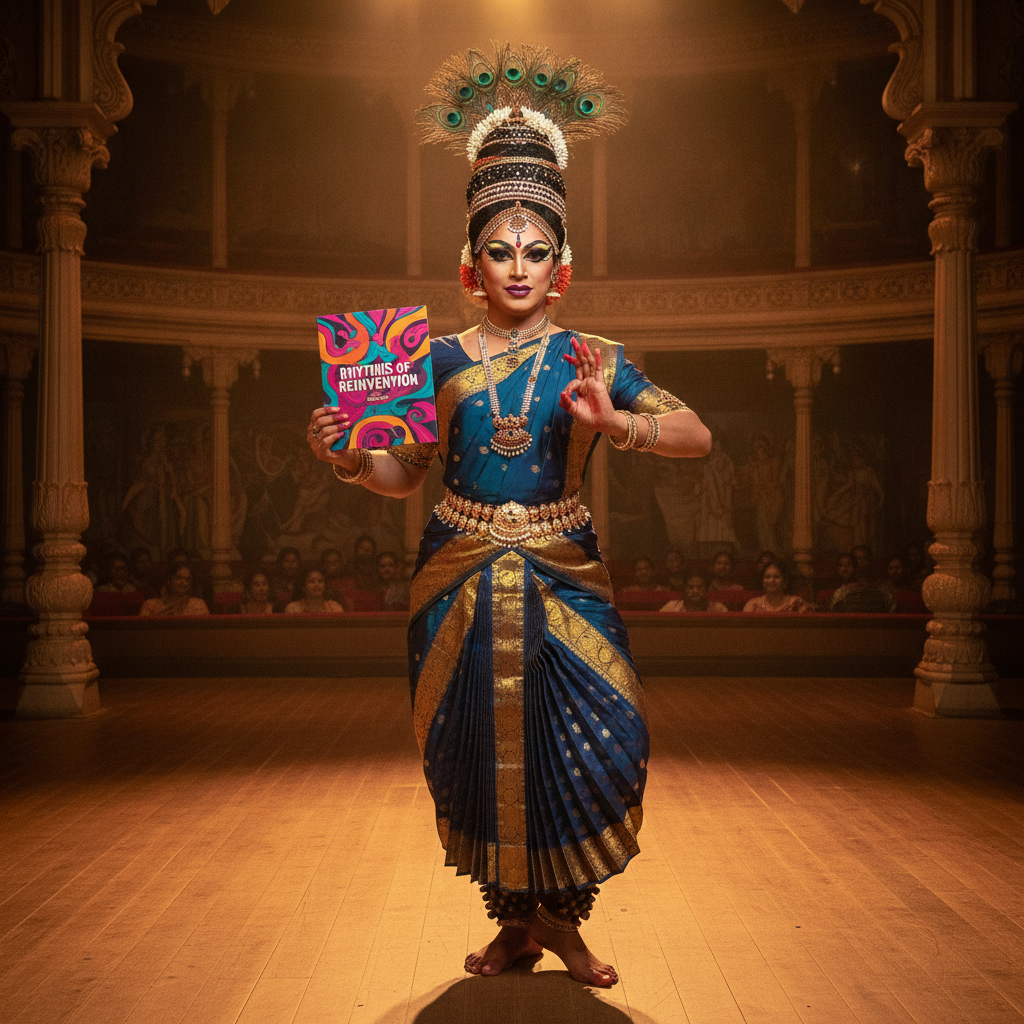
Classical dancer and drag artist Patruni Chidananda Sastry has authored a new book in Chennai, titled 'Drag Sastra, A Queer Lens on Natya Shastra for the Drag Artist', which explores the intersection of modern drag and ancient Indian performance traditions. Published by Ukiyoto Publishing, the book seeks to reconstruct classical Indian dance and theatre through a queer, gender-fluid lens while serving as a performance manual for contemporary drag artists.
Sastry, a queer cultural practitioner, connects the art of drag to philosopher Judith Butler’s 1990 argument that gender is performative. While acknowledging global influences on drag, Sastry places the practice within India’s historic, gender-fluid performance traditions. The book's title incorporates "Sas," which is Sastry's drag name.
The inspiration for the book came from Sastry's personal transition from a classical dancer to a drag artist. During their Bharatanatyam diploma studies with Kalai Kaviri, which is affiliated with Tamil University, Sastry encountered the concept of Roopanurupam. This Kuchipudi performance tradition allows men to dress as women and portray complex feminine expressions, known as abhinaya. Sastry realized that concepts within the Natya Shastra could provide a framework for understanding modern drag.
Rather than viewing the Natya Shastra as an unquestionable sacred scripture, Sastry treats it as a theoretical and interpretive work attributed to Bharata Muni. Sastry argues that while the text offers valuable methodologies, it emerged from a specific historical context with its own biases and limitations regarding gender and inclusion.
Through their research, Sastry identified numerous gender-transformative traditions across India. These include ritual practices like Theyyam in Kerala, Sadhoba traditions in Gujarat, and performance forms such as Launda Naach. Sastry also highlighted historical examples like Bal Gandharva in Marathi theatre, Jatra traditions in Bengal, and Bhama Kalapam in Andhra Pradesh to show how gender transformation has long been integrated into Indian stagecraft.
According to Sastry, these traditional forms demonstrate that queerness and performative gender expression are not new imports to India. The book, which retails for Rs 280, aims to bridge the gap between ancient Indian theatrical frameworks and contemporary queer performance.