Niti Aayog recommends model pharmaceutical chapter for future trade agreements
In Chennai, the Government of India's policy think tank, Niti Aayog, has recommended drafting a standardised pharmaceutical chapter to serve as a template for future Free Trade Agreement (FTA) negotiations. The proposal aims to establish greater consistency in trade talks, improve market access, and address non-tariff barriers for exporters.
According to a report by Niti Aayog, a model chapter would serve as a blueprint for future bilateral and multilateral trade negotiations. The proposed template would incorporate provisions on regulatory reliance, intellectual property cooperation, Good Manufacturing Practice (GMP) inspections, product registration, standards harmonisation, and transparent dispute-resolution mechanisms. These measures are intended to reduce compliance costs and enhance regulatory predictability across key export markets.
The think tank pointed out that while several existing FTAs contain pharmaceutical-related provisions, the actual benefits on the ground have been mixed because many of these agreements remain cooperative in nature. Niti Aayog noted that the recently concluded India-EU FTA, which incorporated pharmaceutical-specific regulatory cooperation clauses, is a step in the right direction but needs to be expanded to other FTAs currently awaiting ratification.
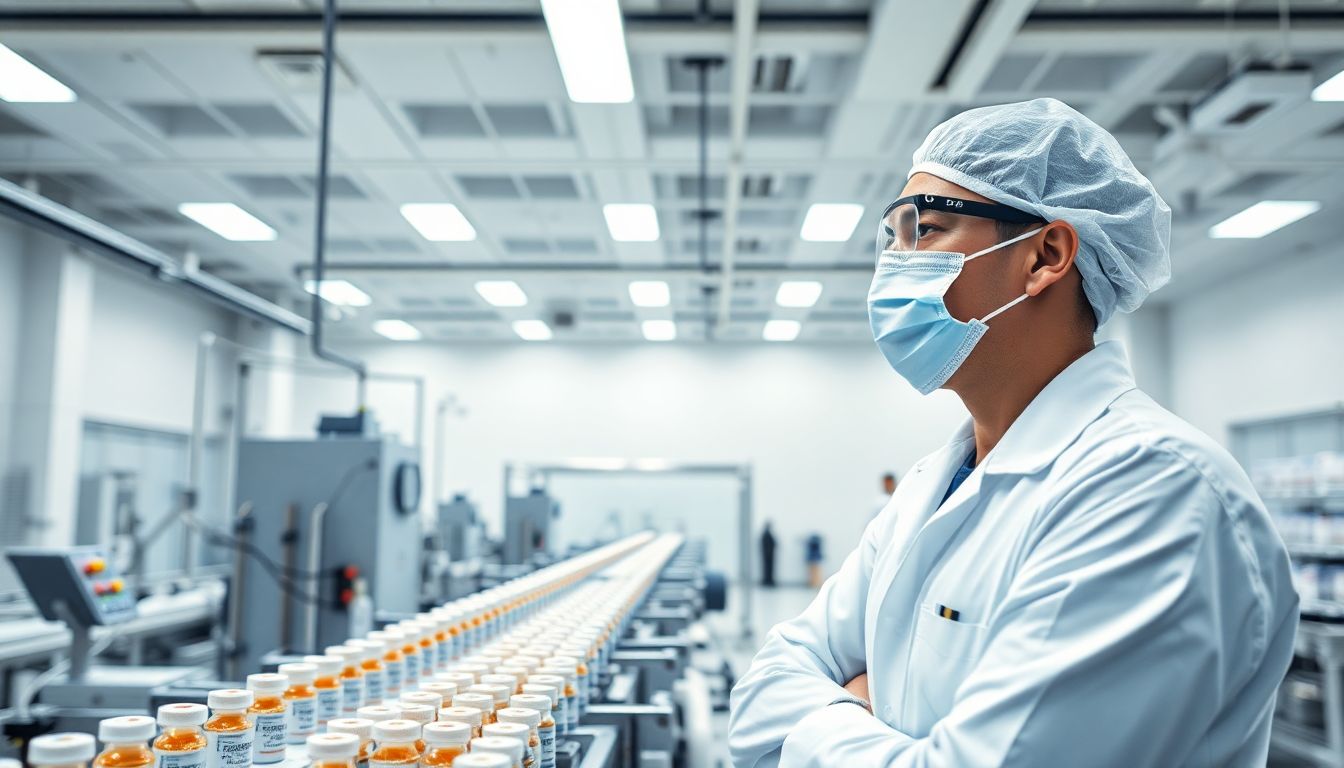
The report also addressed structural challenges within the domestic industry. India's pharmaceutical exports are currently concentrated in volume-based generic formulations and retail medicaments. Participation remains limited in high-growth segments such as biologics, biosimilars, vaccines, advanced therapies, hormones, and analogues, largely due to the high capital expenditure required for biomanufacturing facilities.
To address this, the government launched the Mission Biopharma SHAKTI scheme in 2026-27 to promote biologics and biosimilars manufacturing. However, Niti Aayog stated that a comprehensive, long-term policy framework is still required to support sustained investment and technology scale-up.
Furthermore, the report highlighted that Indian pharmaceutical companies invest only about 7 per cent of net sales in research and development, compared to the 15 to 20 per cent spent by global firms. With drug formulation taking an average of 10 to 15 years, Niti Aayog urged the creation of long-term incentives and funding mechanisms to support high-risk R&D.