Metrowater to Audit Rainwater Harvesting Systems Across Chennai from September
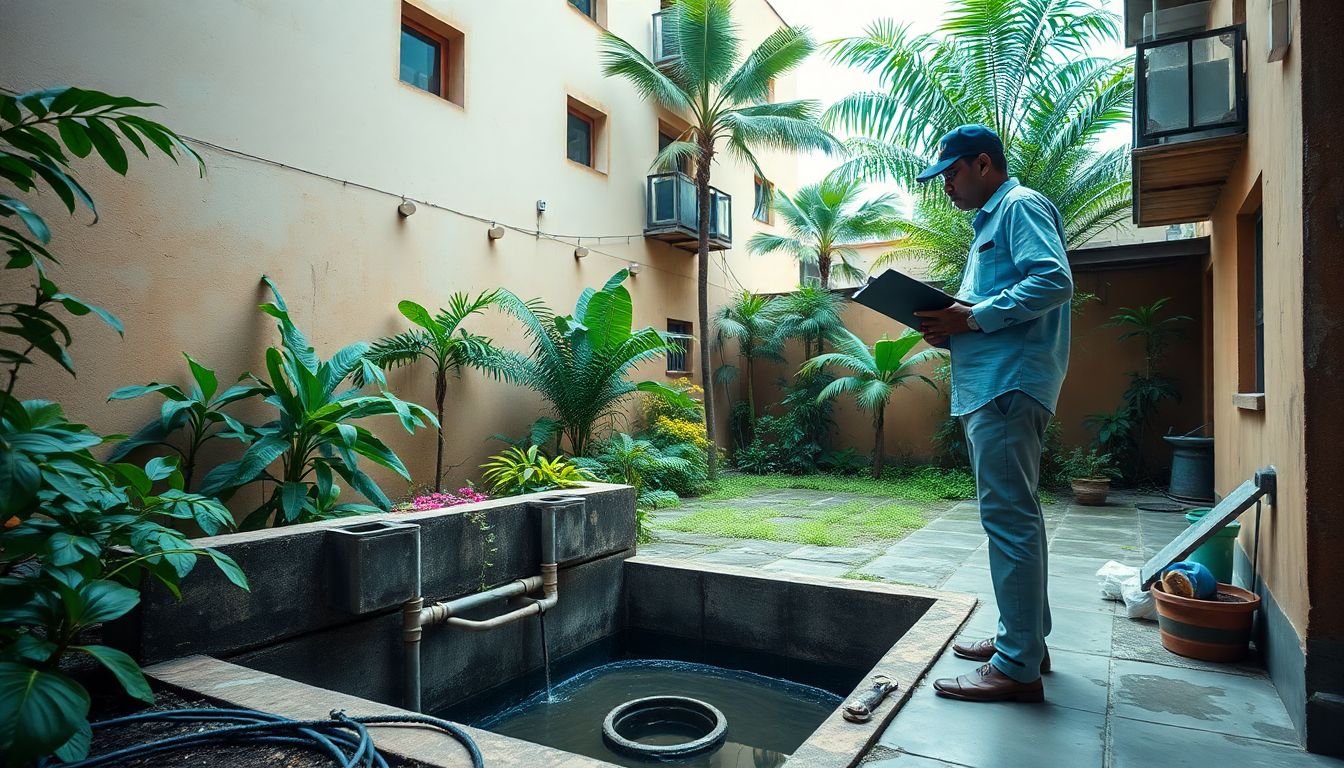
Chennai Metrowater is preparing to audit rainwater harvesting (RWH) structures across buildings in the city starting in September ahead of the upcoming Northeast monsoon. The civic exercise aims to check the maintenance of existing systems and sensitise residents on harnessing rainwater across neighbourhoods, including West Mambalam.
The audit will be carried out across Chennai with the assistance of volunteers, covering the city's network of roughly 14 lakh consumers. Metrowater officials noted that the initiative is intended to guide property owners on maintaining structures according to prescribed standards. The exercise will not involve punitive measures, and officials will instead advise residents on any corrective steps or additional measures required.
In 2023, Metrowater conducted verifications in 10.27 lakh of the 11.05 lakh buildings across the city, finding that nearly 65% of surveyed locations possessed functional RWH structures. For this year's drive, the agency plans to reach residents through social media, digital platforms, and direct meetings with residents' welfare associations. Proposals for the campaign are currently awaiting clearance from the State government, with additional focus planned for the upkeep of RWH systems in government buildings.
According to Metrowater data gathered across 200 wards, the city's groundwater table experienced a marginal dip of 0.59 metre in July, with the average water level standing at a depth of roughly 6.39 metres.
Alongside the planned audits, voluntary organisation Rain Centre reported that groundwater remains available at shallow depths in several areas despite sporadic rainfall. Rain Centre Director Sekar Raghavan stated that water tables were found within 10 feet of ground level in locations such as West Mambalam, Mylapore, Virugambakkam, Madhavaram, Besant Nagar, and Okkiampettai Thoraipakkam.
Mr. Raghavan pointed out that shallow aquifers remain largely untapped and could reach saturation quickly, hindering further percolation during the monsoon. He advised residents to practice the conjunctive use of open wells and deep borewells to draw from shallow aquifers that replenish rapidly. He also urged builders to retain existing open wells and construct new open wells between three and six feet in diameter, adding that these can be covered without parapet walls and used as parking spaces.