Meena Kandasamy Discusses New Novel Fieldwork as a Sex Object in Chennai
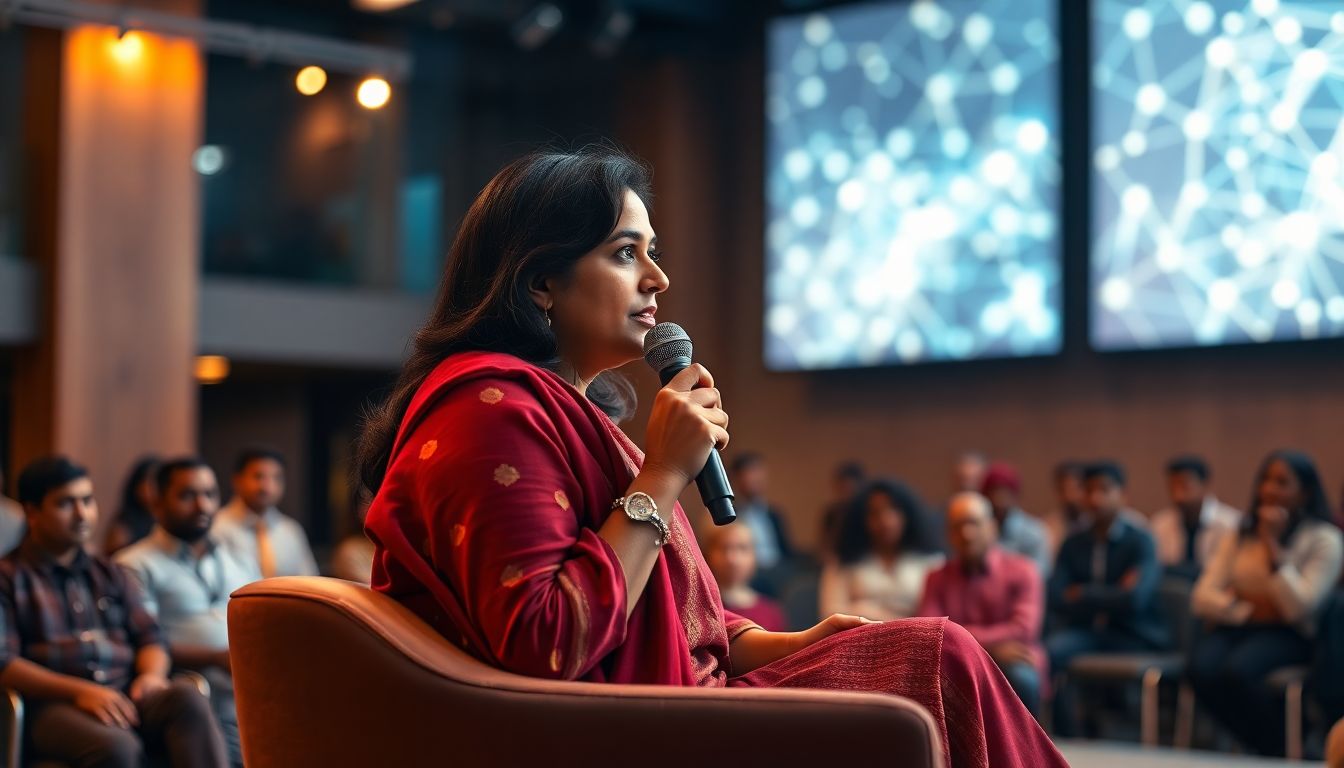
Chennai-based author, poet, and activist Meena Kandasamy recently discussed her new feminist fiction novel, 'Fieldwork as a Sex Object', published by HarperCollins. In a conversation in Chennai, Kandasamy explained how the book addresses complex political, social, and economic struggles, including caste dynamics, misogyny, and technological oppression.
The novel weaves together diverse characters and contemporary themes, including an upper-caste wealthy Marxist, a Tamil lowered-caste woman, Eelam Tamils, and the Indian manosphere. It also explores how Artificial Intelligence (AI) and digital networks are deployed as tools to oppress women.
According to Kandasamy, the initial spark for the novel was prompted in part by real-world events, specifically the Pollachi sexual assault and extortion case. In that incident, a group of men befriended women online, took them to isolated places, sexually assaulted them, and recorded the acts to extort them for money or additional sexual favours.
Kandasamy noted that the evolution of technology, particularly deepfakes, presents an ongoing threat to women. She explained that the concept of shame is attached to women differently than men, and the internet often targets politically outspoken women. She wanted her novel to chronicle this digital landscape, which she describes as a space primed to become a "digital graveyard."
The author also discussed the literary challenges of writing the book, such as using contemporary internet slang and platform-specific language, which she felt was necessary to capture the texture of the current era.
Additionally, the novel addresses internal conflicts within political movements. Kandasamy stated that while the political left has strong standpoints against capitalism, corporates, big tech, and surveillance, she observed that it can be highly policing of people's sexuality and morality, similar to the right wing.
The book also features a maternal figure designed to represent the contradictions of internalising patriarchy while trying to help her daughter break free. Kandasamy highlighted that older women are often invisible in fiction, and she wanted to portray a strong, conflicted mother figure in her work.