Madras High Court Orders Sun TV to Pay Rs 10 Lakh Damages to Actor Sukanya
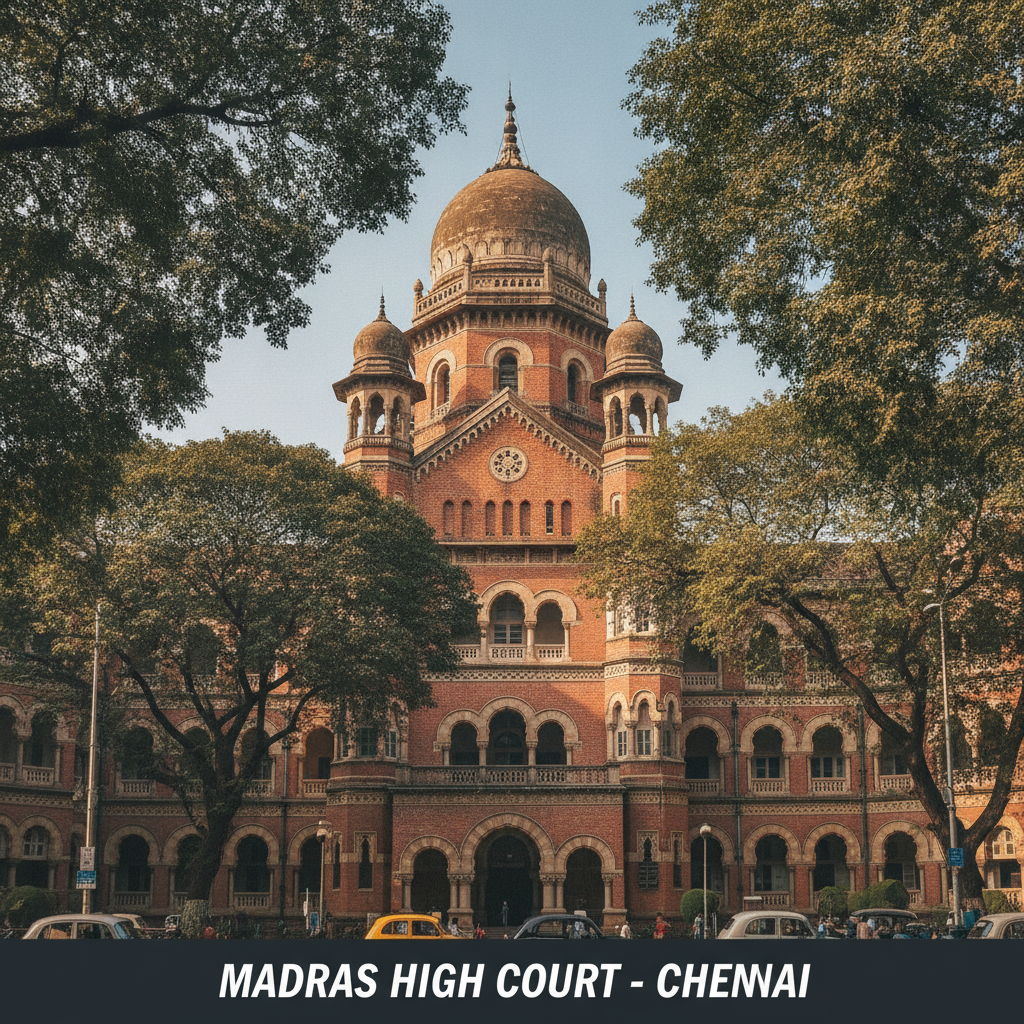
On June 5, the Madras High Court in Madras dismissed an appeal by Sun TV Network Ltd. and upheld a trial court decree holding the broadcaster liable for telecasting a defamatory statement made by forest brigand Veerappan against actor R Sukanya. Justice K Kumaresh Babu ordered the network to pay Rs 10,00,500 in damages to the actor for the injury caused to her reputation.
The legal dispute originated from a television programme titled 'Nerukku Ner' (Face to Face), which aired on April 17, 1996. The broadcast featured an interview conducted by journalist and Nakkheeran editor R Rajagopal, also known as Nakkheeran Gopal, with Veerappan, who was then India’s most wanted fugitive. During the interview, Veerappan made false allegations linking Sukanya to an alleged political scandal involving the son of former Prime Minister P V Narasimha Rao.
Sukanya, who was a prominent leading actor in South Indian cinema during the 1990s, filed a lawsuit in 1996 seeking damages and an injunction. She argued that the false allegations were offensive to her dignity and lowered her image among her friends, family, and the general public. She also pointed out that the broadcaster had edited out certain expletives from the interview but deliberately chose to retain the defamatory statement.
The case was initially filed in the Madras High Court before being transferred to a city civil court in Chennai due to changes in pecuniary jurisdiction. In April 2015, the trial court ruled in Sukanya's favour and directed Sun TV to pay damages. Sun TV subsequently appealed the decision.
During the appeal, Sun TV argued that it was merely a platform broadcasting an interview recorded by a third party. The network highlighted that it had carried a disclaimer stating the views expressed were Veerappan's, and noted that it had published an expression of regret in a Tamil magazine after receiving a legal notice from Sukanya.
However, Justice Babu rejected these arguments, emphasizing a telecast agreement between Sun TV and Nakkheeran. The agreement granted Sun TV broad editorial authority to edit, cut, delete, or modify portions of the nine-hour recorded interview, which was eventually broadcast as a four-hour programme over several days. The court ruled that because the broadcaster reserved the right to alter the content, it had a legal duty to verify the interview's contents before telecasting it.
The court also ruled that publishing an expression of regret in a printed magazine rather than broadcasting an apology on its own television channel demonstrated malice, as it failed to reach the same audience that viewed the original defamatory broadcast.