Kumarapalayam And Veppadai Farmers Face Severe Crop Loss As Over 20 Lakes Dry Up
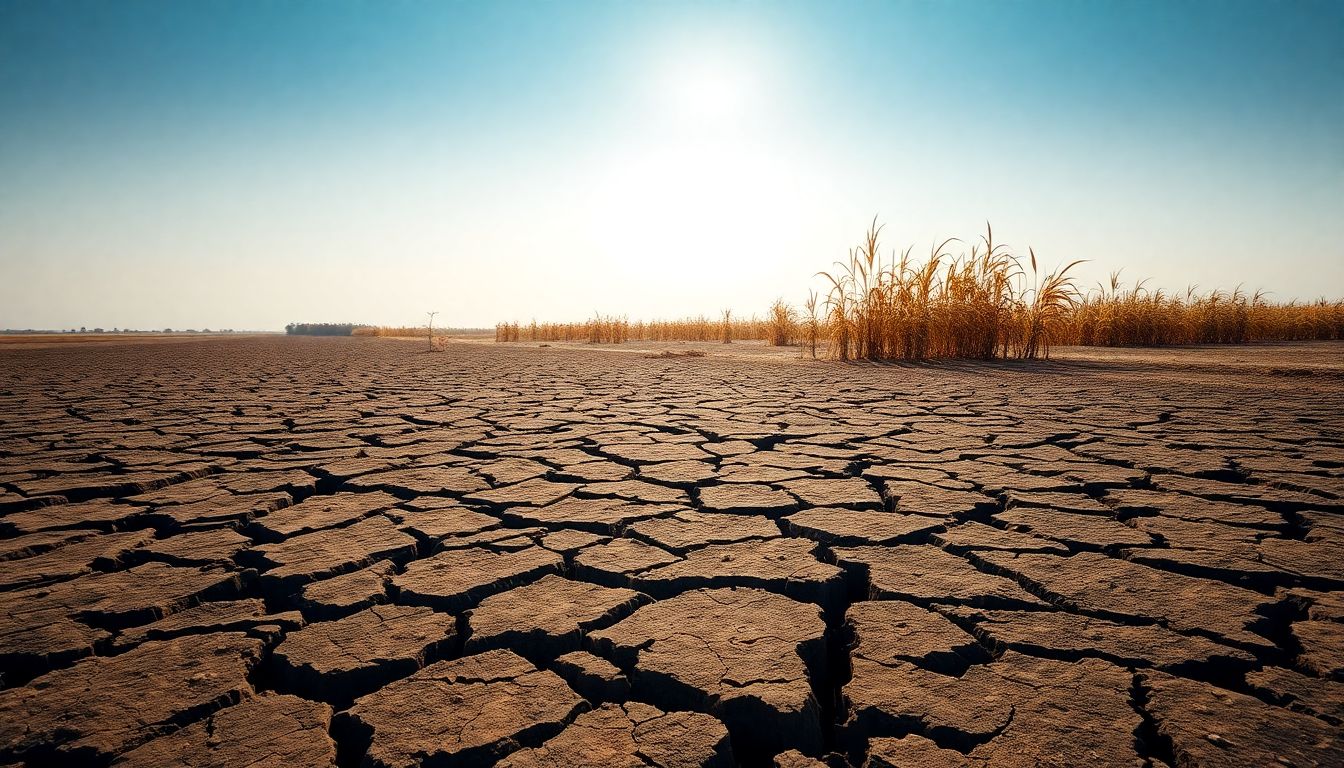
Farmers in the Kumarapalayam, Pallipalayam, and Veppadai regions of Namakkal district are currently facing a severe water crisis due to failed rains and the non-release of water from the Mettur dam. The ongoing agricultural crisis has left more than 20 lakes in these areas completely dry, causing vital crops to wither and hundreds of acres of farmland to lie fallow.
The affected Namakkal region relies heavily on agriculture as its primary source of livelihood. Local farmers in Kumarapalayam, Pallipalayam, and Veppadai traditionally cultivate key crops such as paddy, turmeric, banana, and sugarcane across thousands of acres of land.
Currently, hundreds of acres of farmland that were prepared for cultivation are lying fallow. Many local farmers had borrowed money to plant paddy, turmeric, banana, and sugarcane, but they are now completely unable to irrigate their fields. The sight of these wilting plants has left the farming community in deep distress, fearing the loss of their livelihood and facing the prospect of mounting debts.
K Viswanathan, a local farmer based in Kumarapalayam, shared his personal struggles regarding the ongoing dry spell. He explained that they had borrowed money to plant turmeric and banana, but the crops are now drying up. He questioned how they would survive and how they would be able to repay their loans without access to water.
The water shortage has also impacted basic living conditions in the area. V Ramasamy, a farmer from Veppadai, pointed out that the lakes that once sustained their agricultural fields are now bone-dry. He added that even drinking water has become scarce for local residents, warning that many of them will be forced to abandon farming altogether if the state government does not intervene.
In response to the escalating situation, local residents and social activists have joined hands with the affected farmers to demand urgent action. The group is calling on the Tamil Nadu government to conduct immediate field inspections in the affected regions to assess the situation and provide necessary relief.