Kovilpatti Peanut Candy Price Rises by 23% to Rs 270 a Kg Over High Input Costs
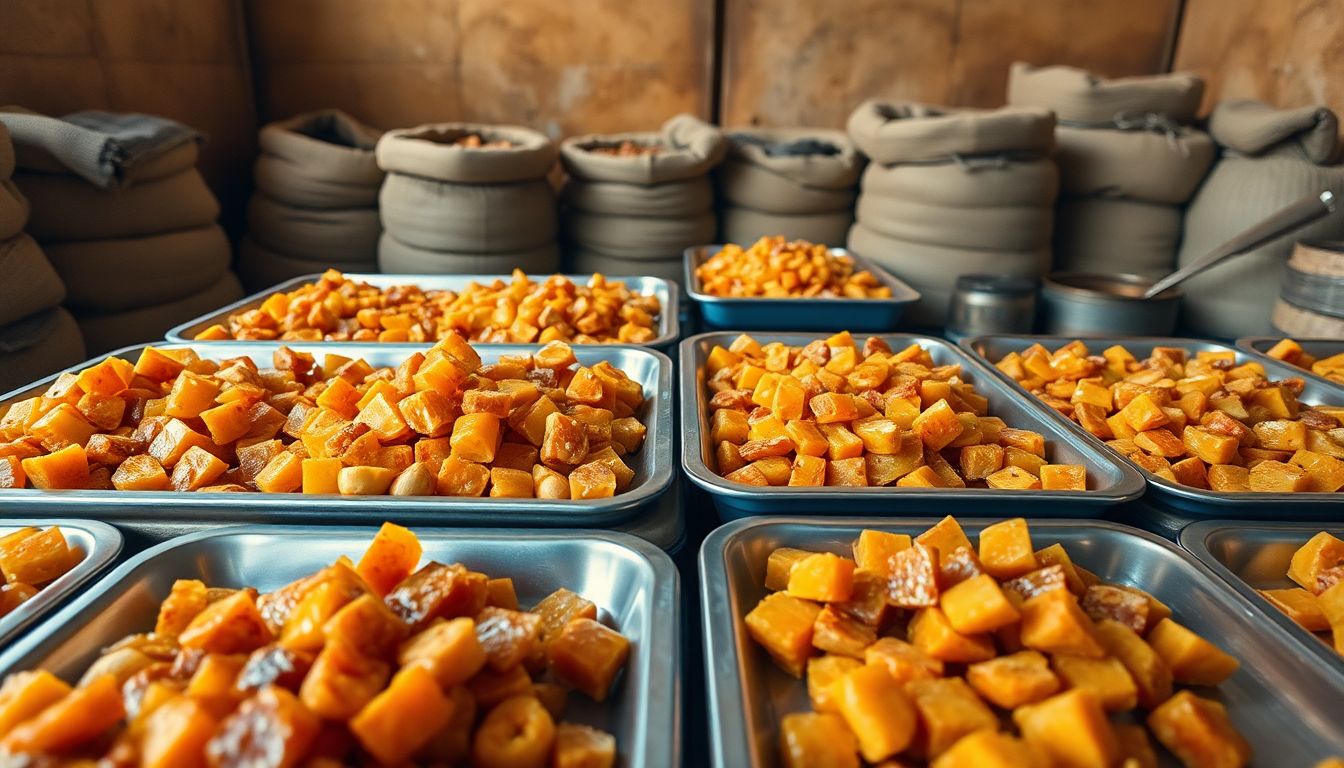
The price of the iconic Kovilpatti peanut candy has increased by nearly 23 per cent, rising from Rs 220 to Rs 270 per kilogram. The revision came into effect on August 25 following a sharp escalation in the prices of essential raw materials and packaging supplies.
The decision to raise the price was taken during a meeting of the Kovilpatti peanut candy manufacturers and sellers association held in Kovilpatti, chaired by its president, Karthik.
Association secretary Kanna stated that the price hike had become unavoidable due to the steep increase in production expenses. Over the past three months, the cost of an 80 kg sack of groundnuts climbed from Rs 9,680 to Rs 12,500. During the same period, the price of a 30 kg sack of jaggery doubled, jumping from Rs 1,300 to Rs 2,600. Cardamom prices also experienced a substantial rise, moving from Rs 2,200 to Rs 3,600 per kilogram. In addition to raw ingredients, manufacturers have had to absorb higher costs for packaging covers.
Kovilpatti peanut candy, renowned for its distinctive aroma and taste, is prepared using groundnuts grown in the region's black soil. The traditional sweet holds a prominent cultural identity, similar to Tirunelveli halwa, Kadambur poli, and Madurai jigarthanda. The candy was officially awarded a Geographical Indication (GI) tag by the Central government in 2020, recognising its unique regional characteristics.
Beyond domestic sales across India, the candy is exported to international markets, including Singapore, Malaysia, Sri Lanka, the Maldives, and several other countries.
Following the price revision, manufacturers have appealed to the Tamil Nadu government for institutional support. They have urged the state government to include Kovilpatti peanut candy in the school noon meal scheme and to grant permission for its sale on Vande Bharat trains. According to the association, such initiatives would expand the market footprint and bring wider recognition to the GI-tagged sweet.