IIT-Madras Records Zero Student Suicides in Three Years After Mental Health Reforms
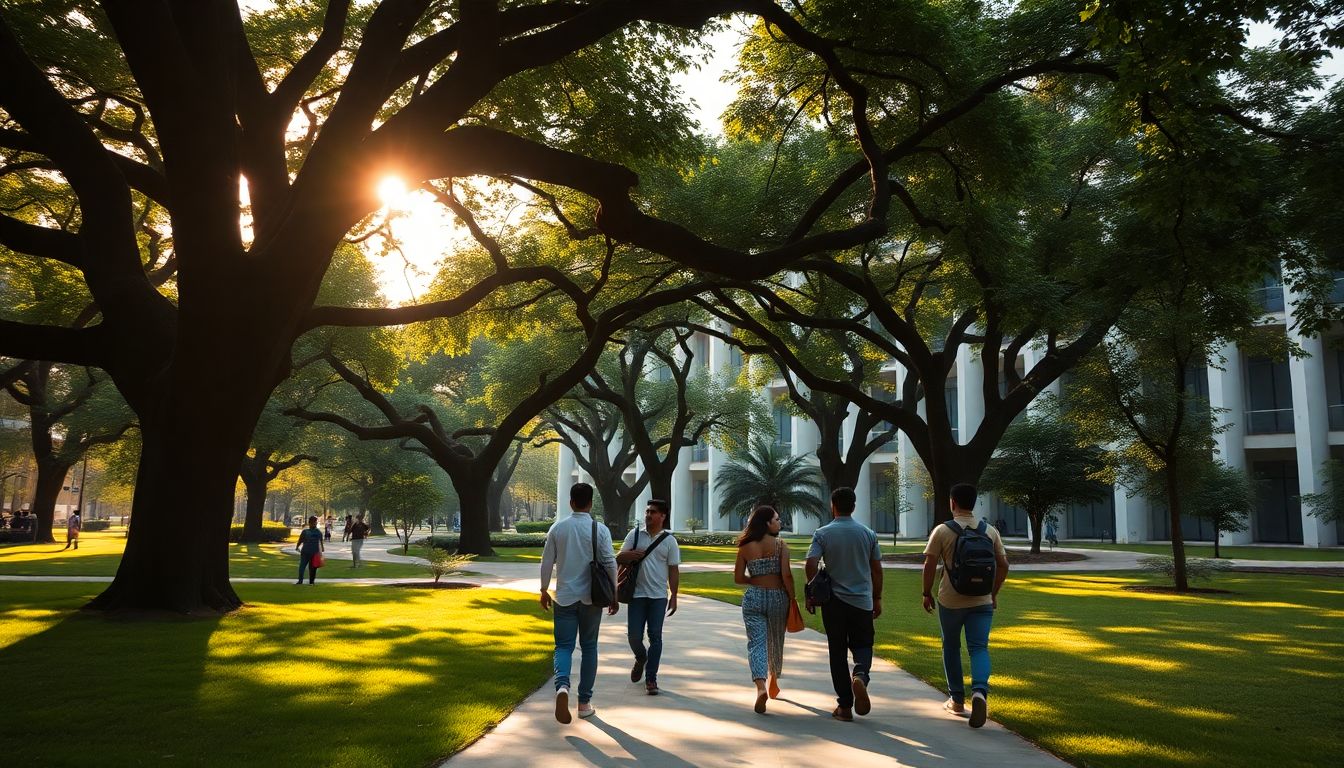
IIT-Madras has recorded no student suicides over a three-year period following the implementation of a comprehensive mental health and well-being support system. The initiative, which began after the institute reported four suicides in two months in 2023, has restructured campus life by introducing 24/7 professional counseling, active faculty mentorship, and increased academic flexibility.
Under the revamped system, the institute successfully resolved an academic crisis for a distressed PhD student last year. The student, a first-generation learner from an agricultural family, had his PhD admission cancelled after failing to take a mandatory comprehensive exam due to family issues and differences with his research guide. A professor helped him present his case to the administration and enrolled him in counseling. Within a little more than a month, the administration restored his admission and assigned him a new guide.
The wellness initiative relies heavily on early identification of vulnerable students. IIT-Madras has established an annual mental health mapping survey for all incoming freshers. Additionally, faculty members are assigned 10 students each and are mandated to take them to lunch or dinner every month. Following these meetings, faculty members must report whether any of their assigned students require psychological support.
To expand support, the institute increased its campus-based professional counselors from three to 17. According to Prof Sathyanarayana N Gummadi, dean of students, counselors now conduct sessions in hostels, libraries, and departments to remove social stigma, and students can also seek help anonymously online.
Academic stress has also been addressed through structural changes. IIT-Madras reduced mandatory classroom hours from 434 to 400 hours and granted first-year students four weeks of extra vacation time alongside mandatory recreation courses in music, dance, or painting. The management now reviews PhD candidacies that exceed five years, allowing scholars to raise issues directly with the director.
Prof Sarith P Sathian, adviser for Wellness, stated that the response time to assist an identified vulnerable student is now within minutes. In severe cases, parents are permitted to stay with students in hostel rooms, and students are allowed to return home and attend classes online.