Heritage Walk In Pulianthope On August 22 To Highlight Area's Social History
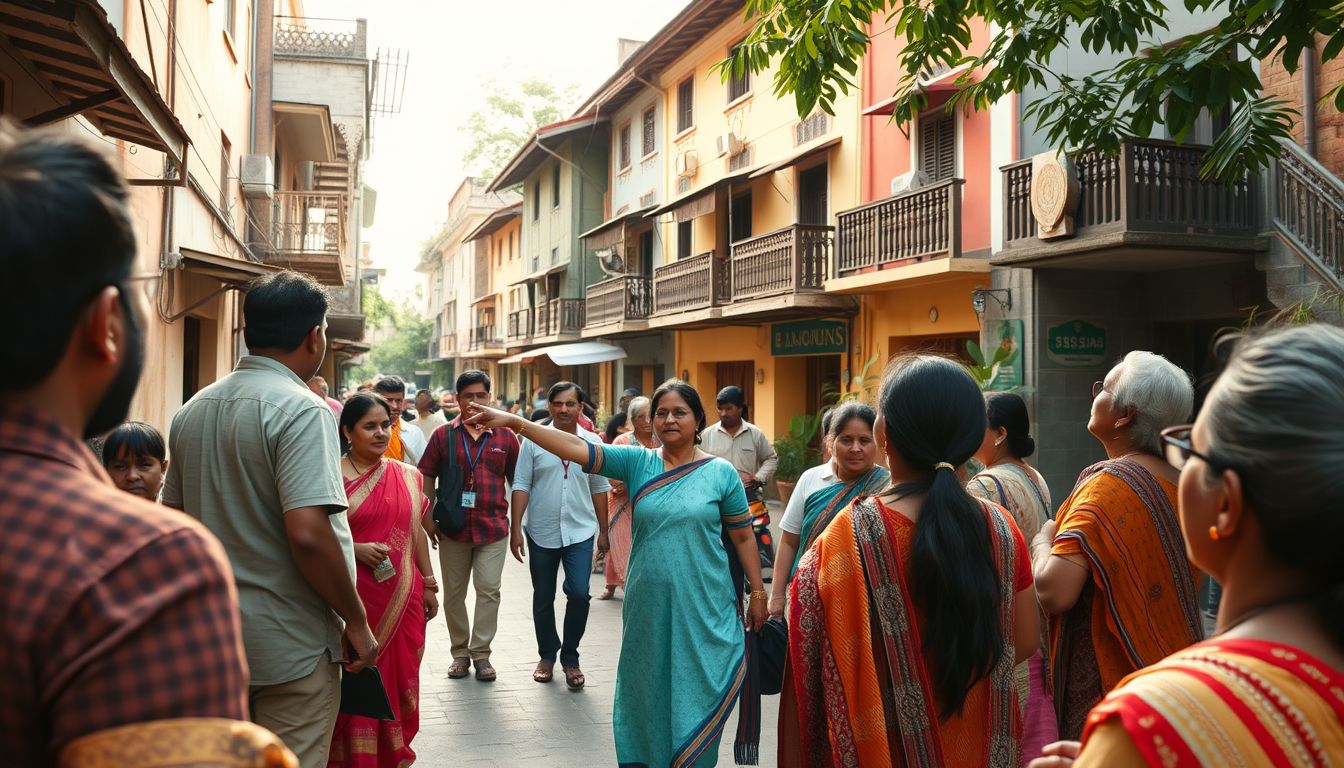
A heritage walk scheduled for August 22 will take participants through the streets of Pulianthope in Chennai to explore the locality's rich social history and counter long-standing stereotypes about the neighbourhood.
The initiative is being led by author and history enthusiast Nivedita Louis in association with the Information and Resource Centre for the Deprived Urban Communities (IRCDUC), an organisation that works with homeless people and residents of slums and resettlement colonies.
The walk is organised to dispel common misconceptions that frame Pulianthope strictly as an area defined by drugs and crime. Organisers aim to present a deeper narrative of the neighbourhood's working-class heritage and cultural background.
According to Nivedita Louis, the intention is to showcase the lived history of the area rather than reduce it to negative tropes. She noted that behind the neighbourhood's troubled public image lies a compelling social history that deserves to be highlighted.
Among the historical aspects the walk will explore is Pulianthope's past as a hub for artisans. An area within the neighbourhood known as Bhomma Kottaai once served as a prominent centre for crafting bronze statues. These statues were traditionally displayed along Decaster Street during the eras when former Chief Ministers M G Ramachandran and M Karunanidhi were in power.
The walk will also share stories of notable local figures, including a bronze sculptor known as S P Pillai. Former Chief Minister Karunanidhi had persuaded the artisan to adopt that name instead of his original name, Pakkiri Sami, questioning why a master sculptor would retain the name Pakkiri.
Historical records of the neighbourhood show that roughly a century ago, Pulianthope primarily comprised huts, with many belonging to the Kulala community of potters. Over time, as potters gradually relocated, labourers from diverse communities moved into the area and settled there.