Government Schools in Chennai and Kovalam Elect Student Ministers for Campus Portfolios
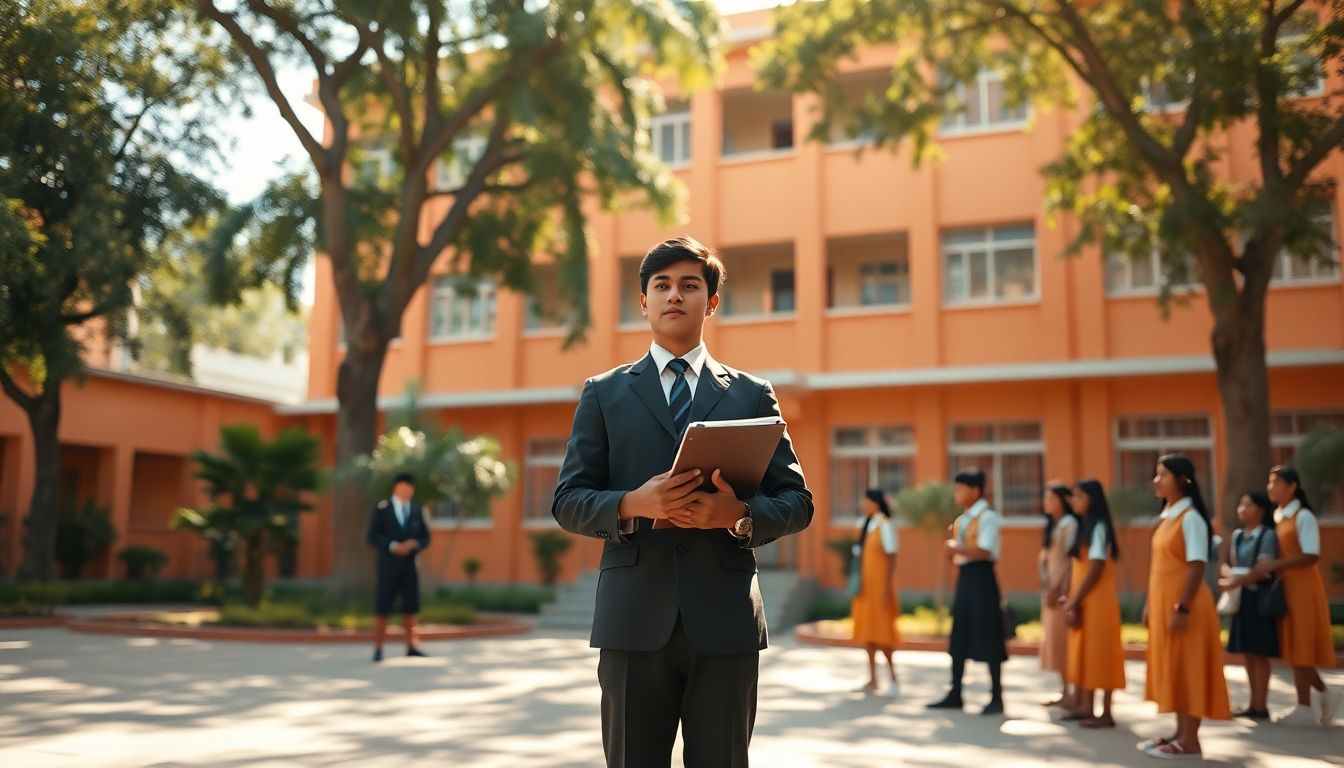
The Tamil Nadu School Education Department has introduced a mock parliamentary-style student ministerial system in government schools across Chennai and Kovalam this academic year to boost leadership and civic responsibility. Under this new initiative, elected student-ministers will take active roles in school administration by managing specific campus portfolios.
The election process began last week as schools shortlisted interested candidates and conducted voting. At the Government Higher Secondary School in Kovalam, the five students who secured the highest votes—representing one from each of the school's five houses—were selected as ministers. Portfolios were subsequently allotted to them through a draw of lots.
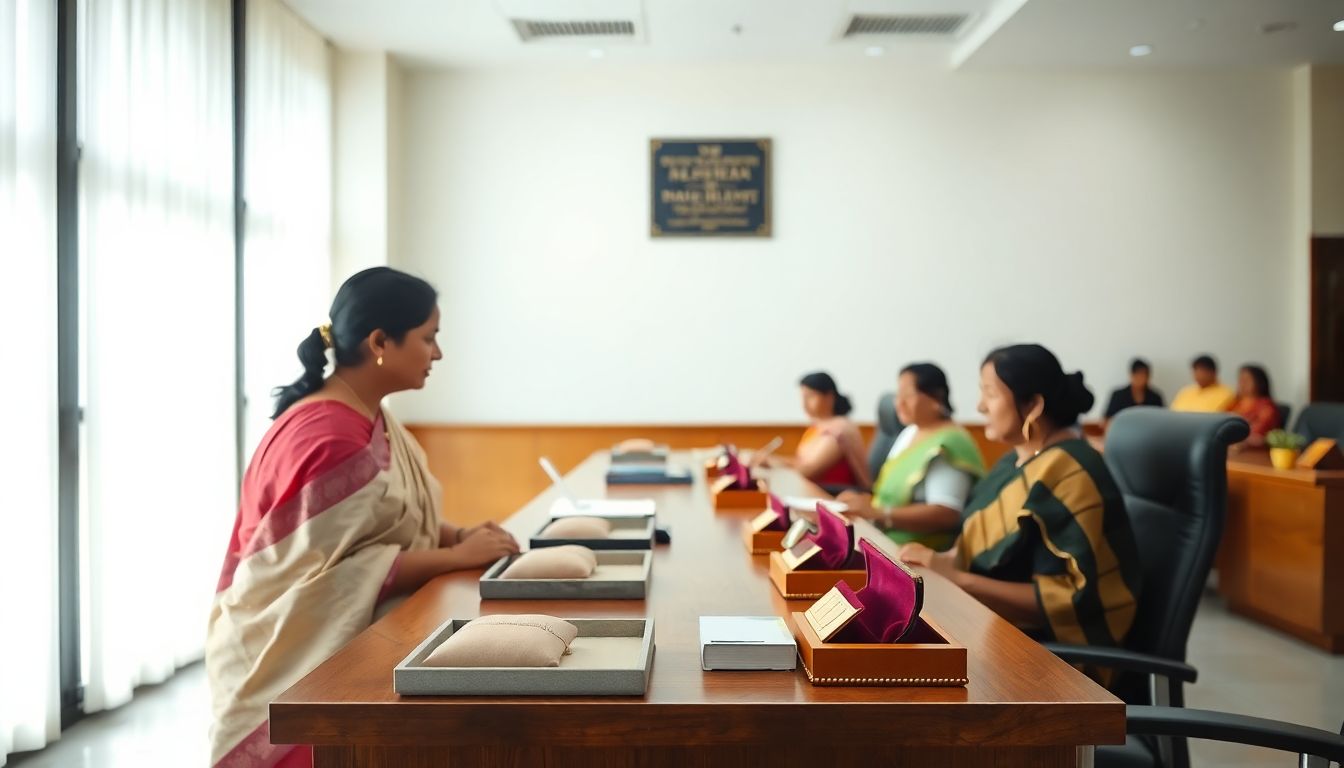
Following the elections, a mock parliamentary discussion was held on Friday. During the session, the newly elected student-ministers outlined their upcoming administrative plans and answered questions from their peers.
The initiative is integrated with the existing Magizh Mutram house system, which comprises five houses: Kurinji, Mullai, Neithal, Marutham, and Paalai. The ministerial portfolios assigned to the elected students include education, safety, information and communication, environment and climate change, and hygiene and sanitation.
Each student-minister will handle specific duties linked to their portfolio. The communication minister is responsible for updating notice boards and sharing announcements, while the environment minister will manage school greenery. The education minister will track student attendance and academic focus, and the hygiene minister will monitor cleanliness in classrooms and across the campus.
"Interested candidates were shortlisted and elections were held last week. Five students, one from each house, who secured the highest votes were chosen as ministers and portfolios were allotted through draw of lots," said T Nakkeeran, headmaster of the Government Higher Secondary School in Kovalam.
These student-ministers will collaborate directly with house heads and class house leaders. To encourage active participation and performance, the work of the ministers will directly contribute points to their respective house scores.