GCC Unveils Rs 947-Crore Infrastructure Plan Covering Adyar and Other Areas
The Greater Chennai Corporation (GCC) has announced a Rs 947-crore urban infrastructure package for the current financial year, which includes an Integrated Urban Development Project covering 45 square kilometres across Adyar, T. Nagar, Royapettah, and Tondiarpet.
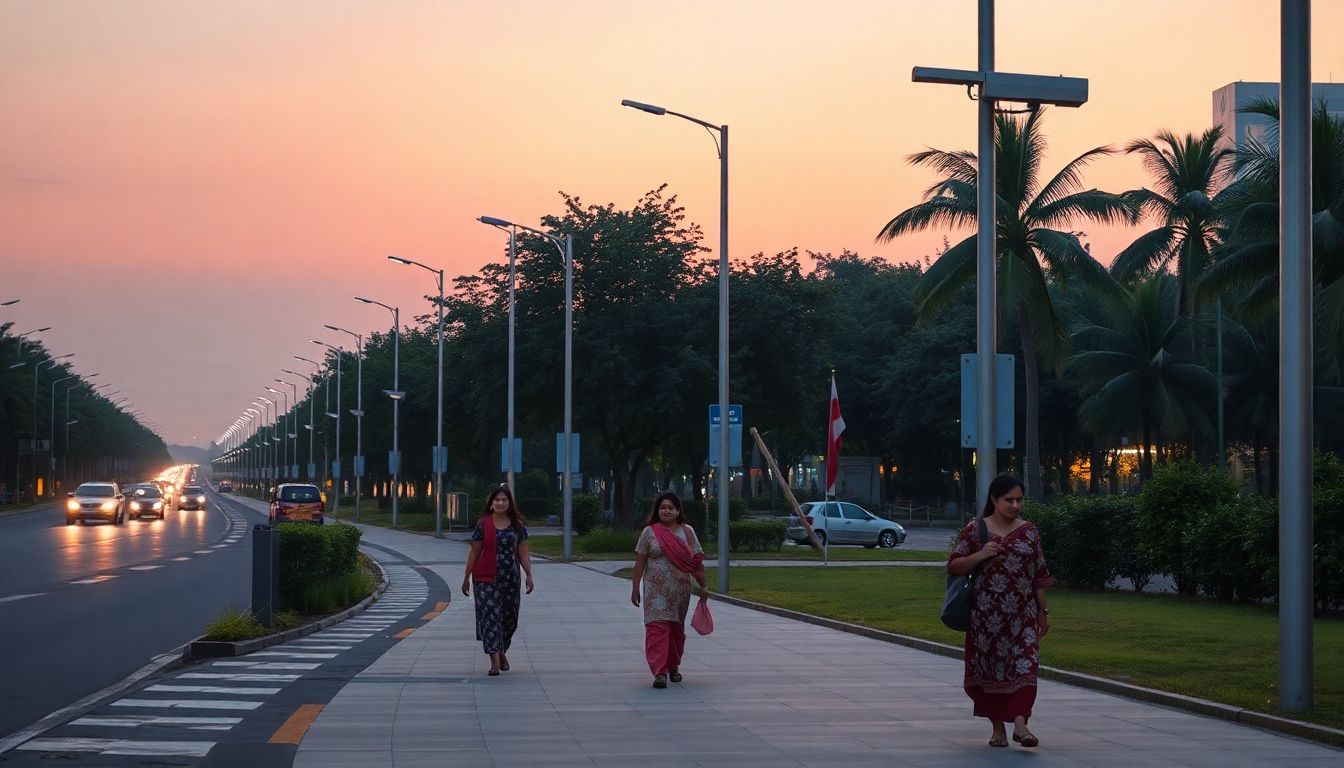
The initiative across Adyar and the other three zones has been allocated Rs 110 crore. It envisages the development of a 35-km pedestrian walkway, 15 km of safe school routes, and infrastructure enhancements at 105 road intersections to improve pedestrian safety and vehicular movement. Funding for this project will be drawn from the Chennai Metropolitan Infrastructure and Urban Development Mission (CMIUDM), the Urban Challenge Fund, and loans.
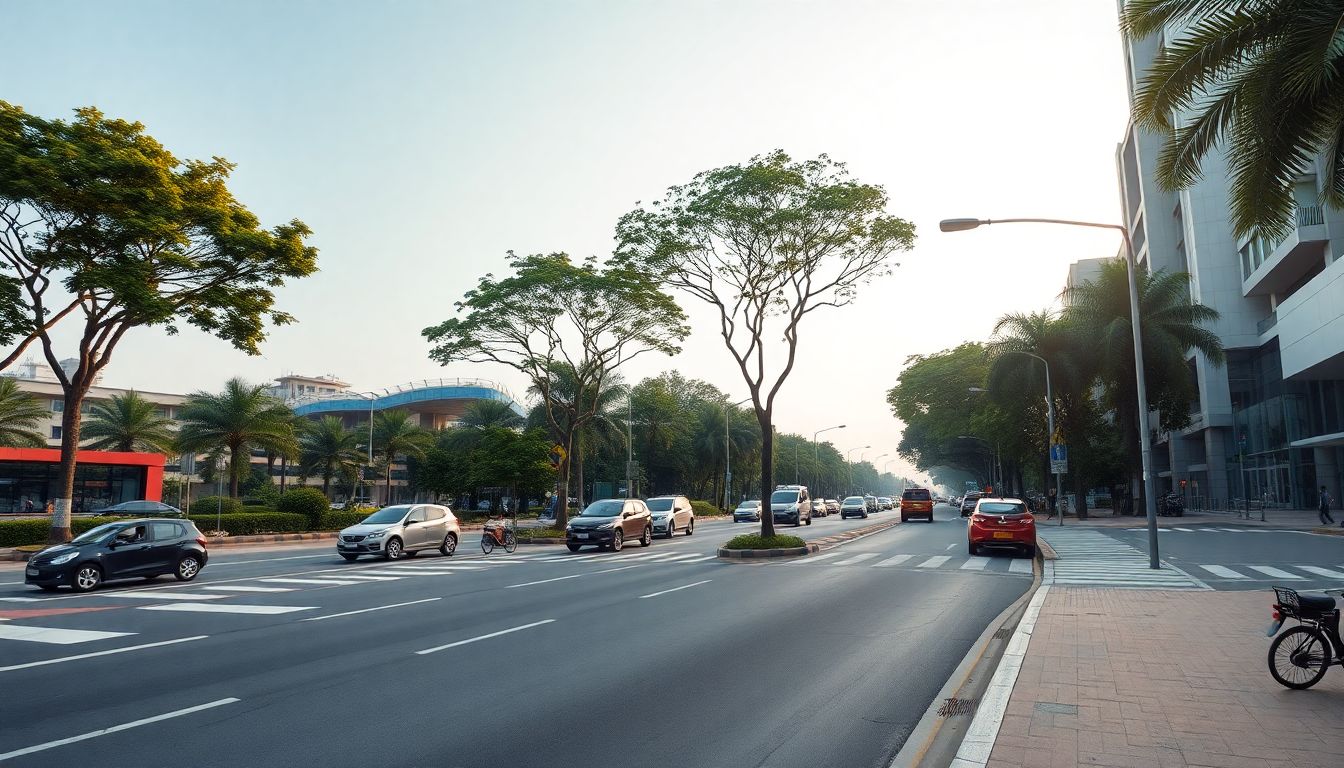
Across the wider city, the largest single allocation under the package is Rs 300 crore, designated for re-laying 360 km of roads. This work will be funded through CMIUDM and the Government of Tamil Nadu to enhance road conditions and commuter safety.
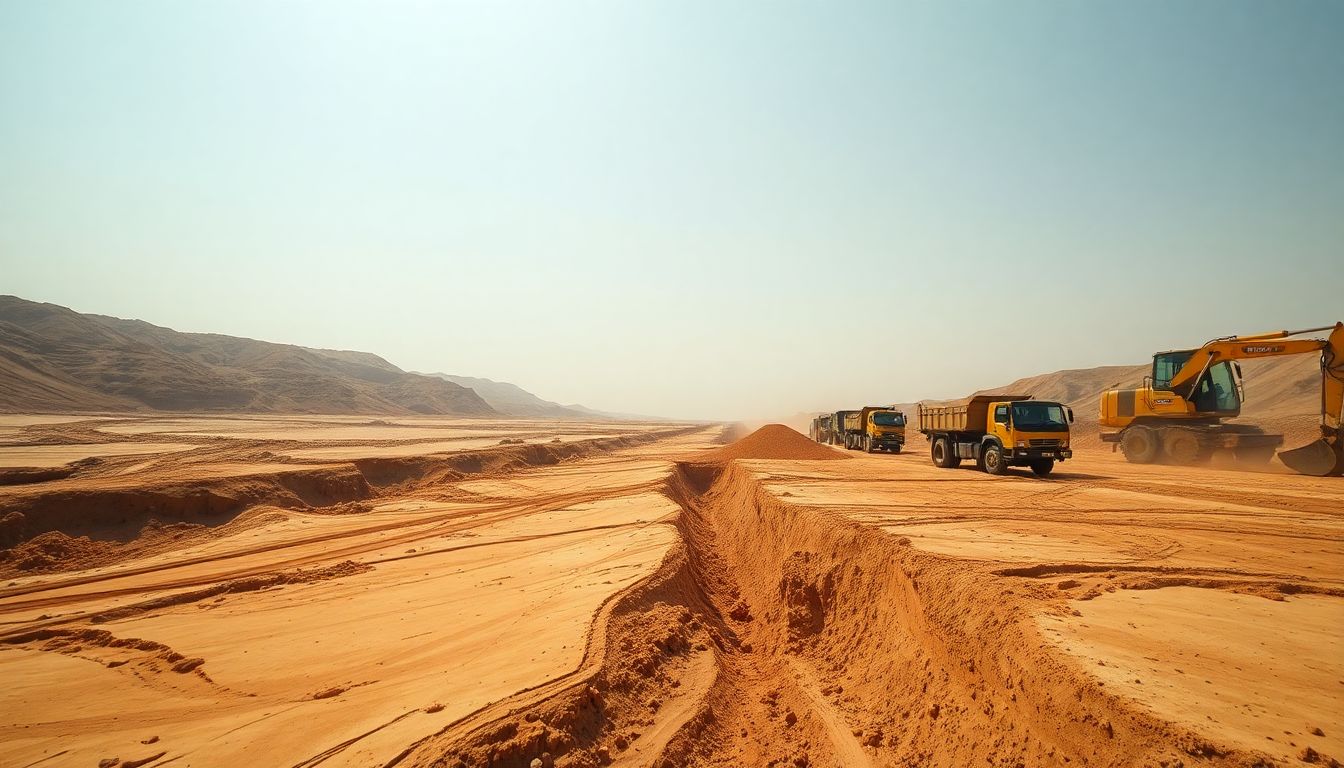
A major environmental component involves a Rs 276-crore biomining project at the Perungudi and Kodungaiyur dumpyards. Drone surveys identified an additional 28.70 lakh metric tonnes of legacy waste across both sites. The civic body plans to clear the waste scientifically through biomining to reclaim the land, using funds from the Swachh Bharat Mission, the state government, and the GCC.
The civic body will also roll out the first phase of the Urban Equitable Development Scheme at a cost of Rs 100 crore in select locations to address deficiencies in essential social and civic infrastructure.
Additional civic allocations include Rs 60 crore to build 50 new parks on open space reservation (OSR) lands, Rs 50 crore to construct modern school buildings and extra classrooms, and Rs 10 crore to upgrade 10 sports grounds.
For flood mitigation, GCC will build a stormwater drain along Jawaharlal Nehru Salai from the Zero Point of the Otteri nullah canal to the Cooum river at an estimated cost of Rs 41 crore, aided by German development bank KfW.