GCC to Scale Up Dog Sterilisations to 400 Daily Across Chennai Zones
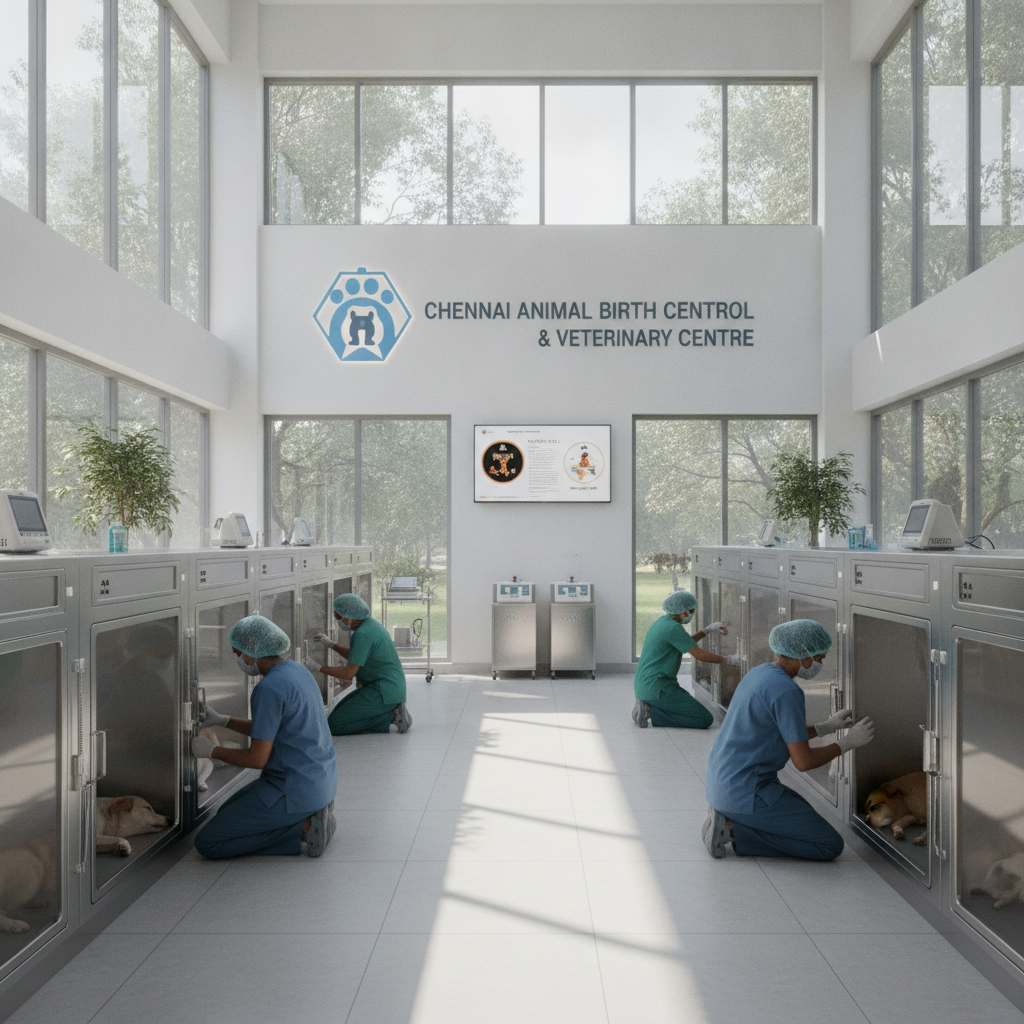
The Greater Chennai Corporation (GCC) has announced plans to scale up its street dog sterilisation surgeries from 200 to between 350 and 400 daily. As part of this civic expansion, the corporation will establish new sterilisation centres across its zones, including Meenambakkam and Sholinganallur, to control the stray dog population and achieve 100 percent anti-rabies vaccination coverage.
Municipal Administration and Water Supply department secretary Gagandeep Singh Bedi directed the GCC to increase its sterilisation capacity and add more centres. Under the new directive, the corporation will set up one sterilisation centre in each of its 15 zones by mid-2027. Each new centre will have the capacity to sterilise 20 to 25 dogs per day. The GCC also plans to hire additional veterinary doctors to support this expansion.
Currently, the GCC operates 10 dog birth control centres. These are located in Pulianthope, Lloyds Colony, Kannammapet, Meenambakkam, Sholinganallur, Chettimedu in Manali zone, Tiruvottiyur, Madhavaram, Chettimedu in Tondiarpet zone, and Kannappar Thidal.
According to estimates by the GCC, Chennai is home to approximately 1.8 lakh street dogs. The corporation has already vaccinated 1.68 lakh street dogs through intensive anti-rabies vaccination drives across all 15 zones. Additionally, 71,388 pet animals have been vaccinated, microchipped, and issued licences.
The secretary recently inspected the functioning of the dog birth control centre in Pulianthope, located in the Thiru Vi Ka Nagar zone. This facility currently performs sterilisation surgeries on an average of 35 dogs daily and provides medical treatment to around 25 pet animals each day.
In addition to the sterilisation drive, the GCC is addressing the care of sick animals. The existing dog birth control centre at Perungudi is temporarily operating as a shelter for diseased dogs. Moving forward, the corporation plans to build dedicated shelters in both Manali and Perungudi, with each facility capable of housing 250 diseased dogs.