GCC to revamp 600 road junction curves across Chennai to improve pedestrian safety
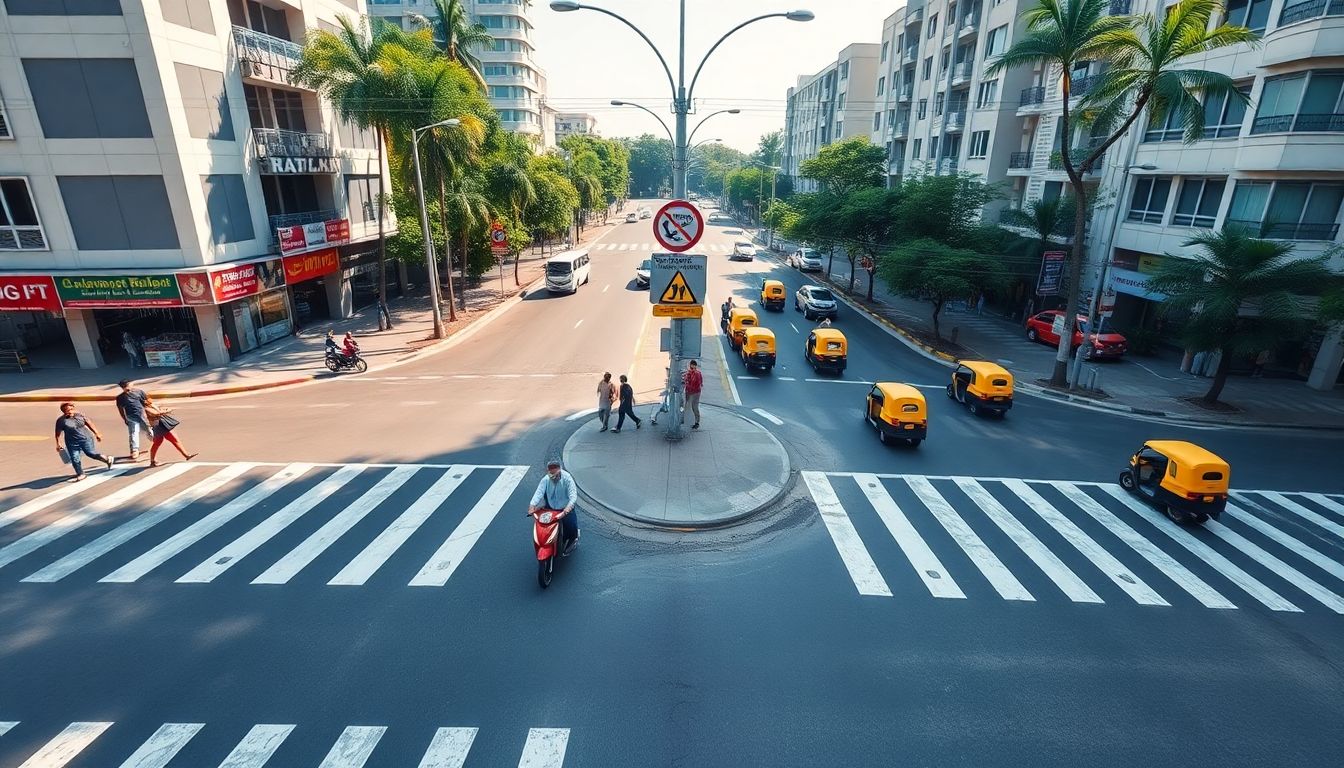
The Greater Chennai Corporation (GCC) has launched a major infrastructure initiative to redesign and revamp 600 road junction curves, commonly known as bellmouths, across 15 zones in Chennai. The project aims to ease traffic flow, reduce congestion, and significantly improve safety for pedestrians at busy intersections throughout the city.
As part of the first phase of this safety initiative, improvement work is already underway at 94 key road junction curves. This initial phase is being executed at an estimated cost of ₹3 crore and is scheduled to be completed by July 15.
To execute the remainder of the project, the civic body is preparing a detailed project report (DPR) for the rest of the road junctions. GCC Commissioner G S Sameeran stated that the corporation is seeking financial assistance from the Union government's urban challenge fund to support the upcoming phases.
"The DPR is being prepared for the rest of the work," Commissioner Sameeran said. "We hope to get a funding for a first batch of 200 bellmouths, and we will finish it in two months."
The Commissioner also noted that the GCC plans to consult the public to identify additional stretches across Chennai that require similar modifications. He highlighted the critical need for structural upgrades at these intersections, stating that curves require better pavements and improved visibility.
Currently, the lack of adequate pavements on road curves poses a severe safety hazard for pedestrians. When pavements are missing, individuals walking on the opposite side of traffic are forced to step down onto the active roadway, putting them at high risk of being hit by oncoming vehicles.
The scope of the project spans major intersections across Chennai's 15 zones, specifically targeting locations where corporation-maintained roads merge with national highways, state highways, and busy city bus route roads.
The GCC is responsible for managing a massive road network across Chennai, which includes 488 bus route roads stretching over 418.56 kilometers, as well as 35,978 interior roads extending 5,653.89 kilometers. The redesign of these 600 bellmouths represents a targeted effort to resolve bottlenecks and safety issues at some of the most critical points in this vast network.