GCC Sanctions ₹20 Crore for Road Repairs Across 15 Chennai Zones
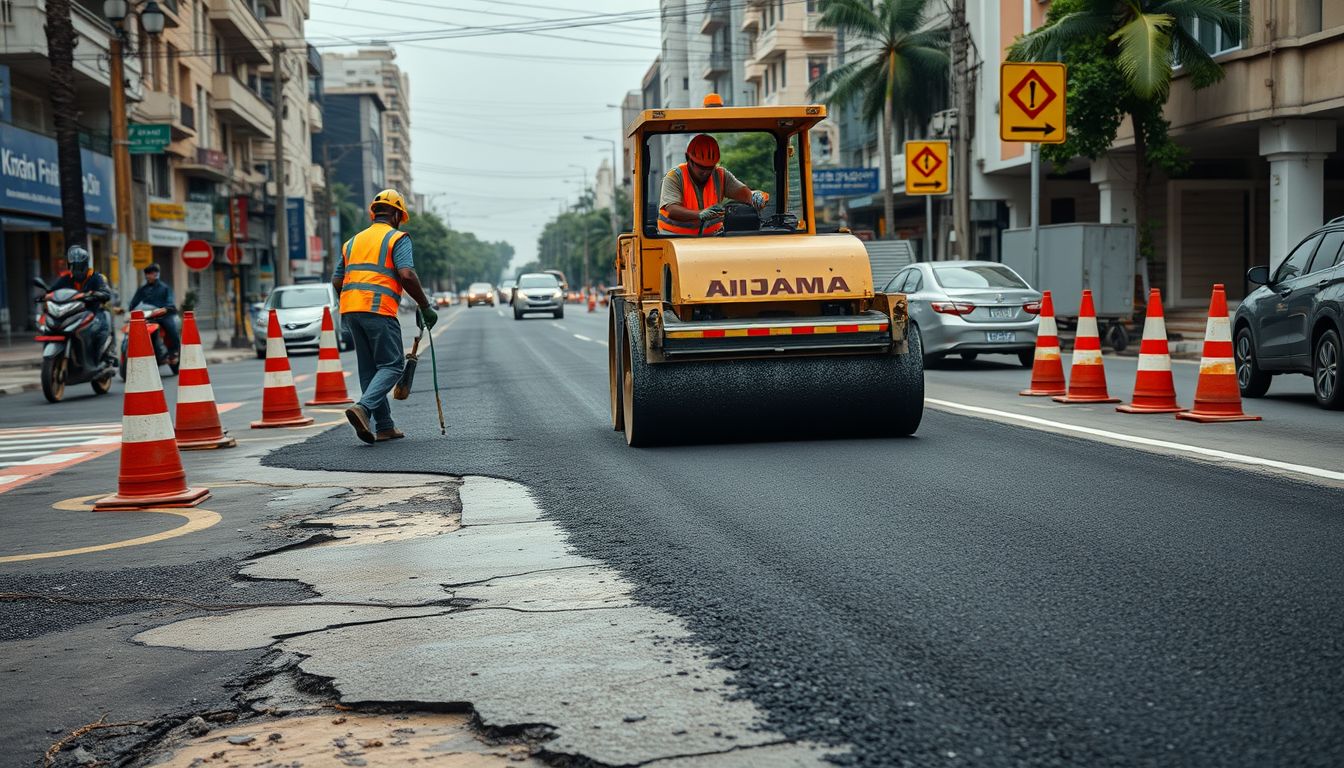
The Greater Chennai Corporation has sanctioned ₹20 crore for immediate road repair works across all 15 zones in Chennai ahead of the Northeast monsoon, following concerns raised by residents and motorists over damaged stretches. A civic body study revealed that around 20% of bus route roads in the city are in bad shape.
According to the study conducted by the GCC, 97 out of 488 bus route roads and 2,350 out of 36,000 interior roads require repairs and relaying. The damage across the network has been attributed to regular wear and tear, service cuts, and civic infrastructure projects, including the laying of sewer networks, water pipelines, and stormwater drains.
Following complaints regarding safety risks on battered stretches, GCC Commissioner G.S. Sameeran issued administrative sanctions for monsoon preparedness activities to restore damaged roads. Under these sanctions, each zone will receive between ₹1 crore and ₹1.25 crore from the ₹20 crore allocation for immediate road repairs. Additionally, the civic body will restore roads at an estimated cost of ₹10 crore, allocating ₹5 lakh per ward.
Dr. Sameeran stated that substantial funds have been earmarked for wider road restoration across Chennai. Along with the ₹20 crore for immediate repairs, the corporation has allocated ₹124 crore for road relaying necessitated by water supply and sewerage works, as well as ₹200 crore for regular annual road relaying works.
As part of wider monsoon preparedness, the GCC will deploy 1,000 additional labourers for tasks such as silt catch pit cleaning, desilting, and tree pruning. The civic body has also secured administrative approval to hire 150 high-power motors and 600 tractor-bound motors to prevent road waterlogging, while ₹15 lakh has been allocated to repair electrical and mechanical equipment.
Commenting on the condition of the city's network, K.P. Subramanian, former professor of urban engineering at Anna University, noted that bituminous roads deteriorate from potholes and cracks caused by high traffic volume, stagnant rainwater, insufficient drainage, and substandard construction and repairs. He added that frequent road cuts due to a lack of institutional coordination among the GCC, Chennai Metropolitan Water Supply and Sewerage Board, and Tamil Nadu Electricity Board contribute significantly to road degradation, causing traffic congestion, pollution, and safety hazards.