GCC Doubles Daily Property Tax Target to Clear ₹2,000-Crore Backlog
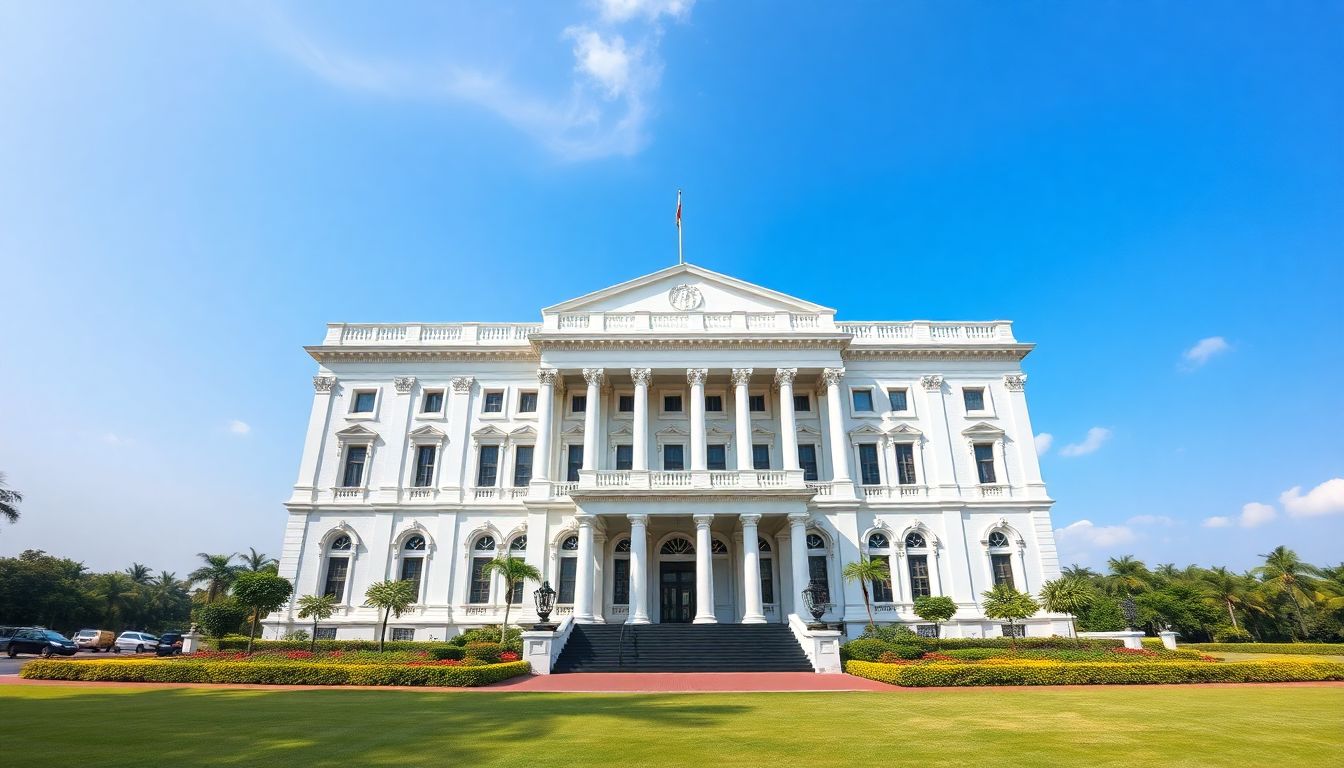
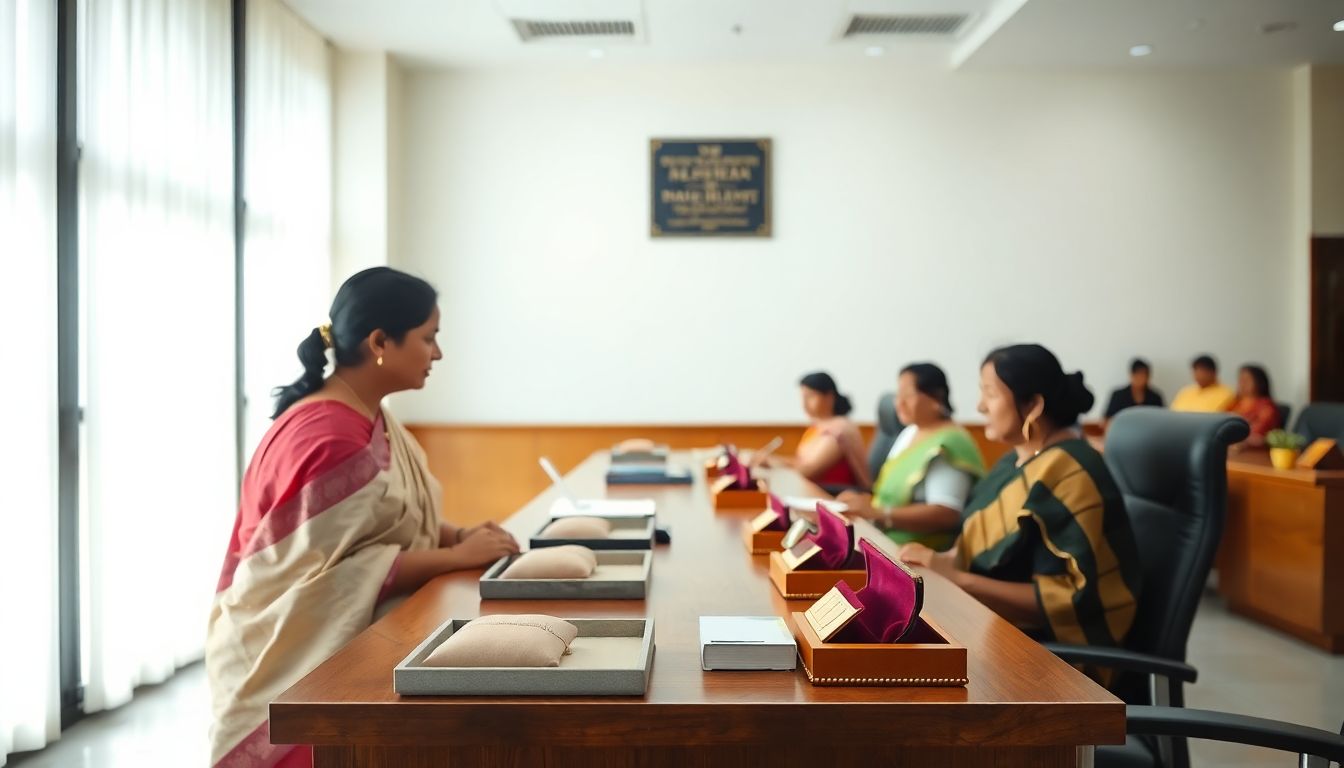
The Greater Chennai Corporation (GCC) in Chennai has doubled its daily property tax collection target from ₹5 crore to ₹10 crore as of July 1, 2026, in an effort to clear a ₹2,000-crore outstanding payment backlog for completed works. The financial crunch has prompted the civic body to put several large-scale new projects on hold while prioritizing worker salaries and intensifying local tax assessment.
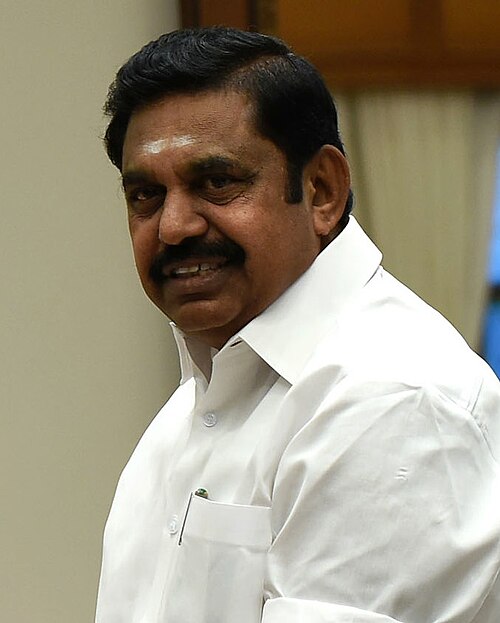
Deputy Mayor M. Magesh Kumaar confirmed that the pending ₹2,000 crore was owed for completed project works. This includes approximately ₹450 crore owed to Urbaser Sumeet, a private firm outsourced for solid waste management in the city. To ease the financial pressure, Kumaar urged GCC Commissioner G.S. Sameeran to request Chief Minister C. Joseph Vijay to release allocations under special state funds.
To generate more revenue, the GCC is targeting under-assessed commercial and large residential properties measuring over 2,000 and 3,000 square feet. Standing Committee (Taxation and Finance) Chairperson Sarbajaya Das stated that the civic body is using GIS-based data to identify and reassess these properties.
According to a senior GCC official, the corporation has deployed additional staff, extended collection hours, and provided more point-of-sale (POS) devices for door-to-door tax collection. As of July 1, 2026, the GCC had collected roughly ₹500 crore against its half-year property tax demand of ₹980 crore.
Despite the tight budget, officials emphasized that the salaries of conservancy, sanitation, and National Urban Livelihoods Mission (NULM) workers remain a top priority. Capital projects will proceed slowly to ensure no worker loses a month's salary.
To manage payments to contractors, the GCC has decided to slow down construction spending on new projects and pay existing contractors in stages using the Trade Receivables Discounting System (TReDS). This system allows contractors to obtain early advances through the Receivables Exchange of India Limited.
The civic body is also awaiting dues from the state government. While the GCC receives ₹80-82 crore monthly through the State Finance Commission devolution, about ₹360 crore from three quarters of stamp duty and surcharge is still pending release from the state.
Civic officials expect the current financial pressure to be temporary, with the GCC's financial position projected to improve by September 2026, after which further development projects will be considered.