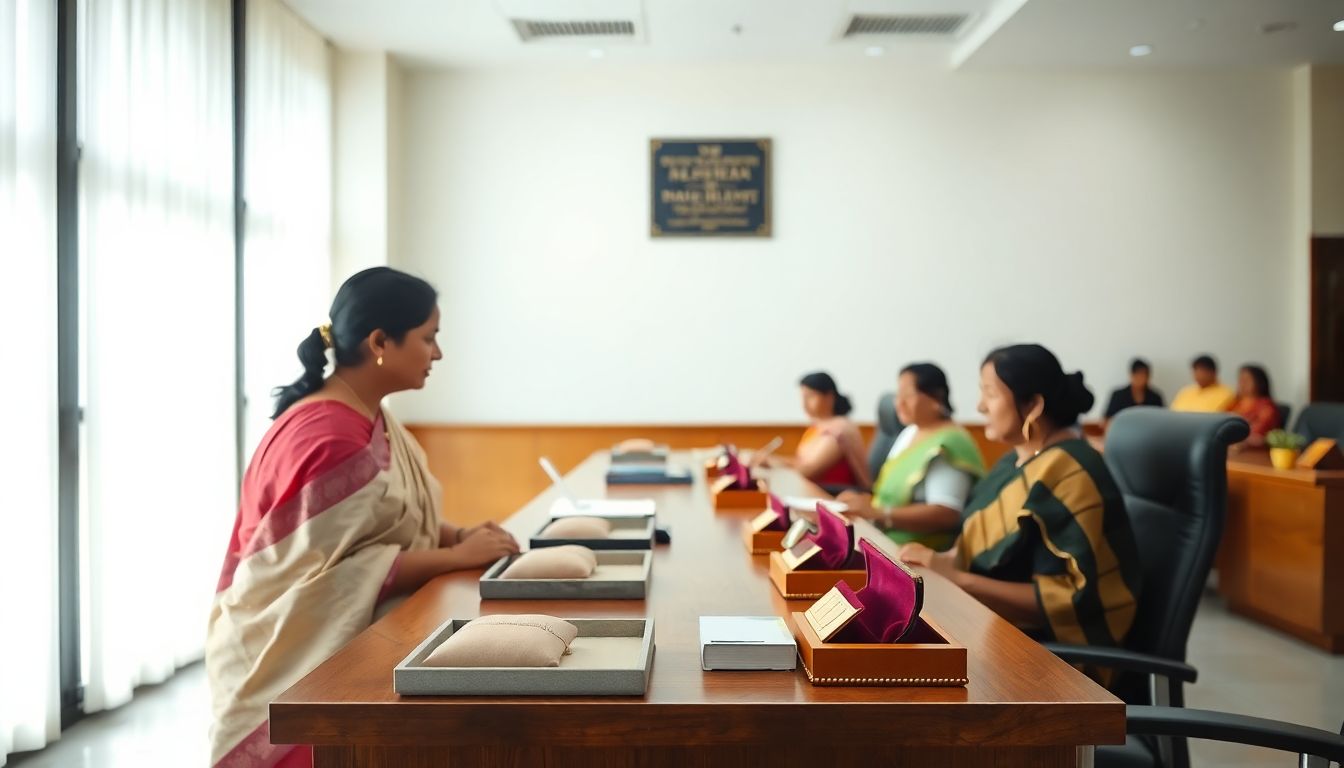
GCC Bans Bulk Takeaways at Amma Canteens to Prevent Commercial Misuse
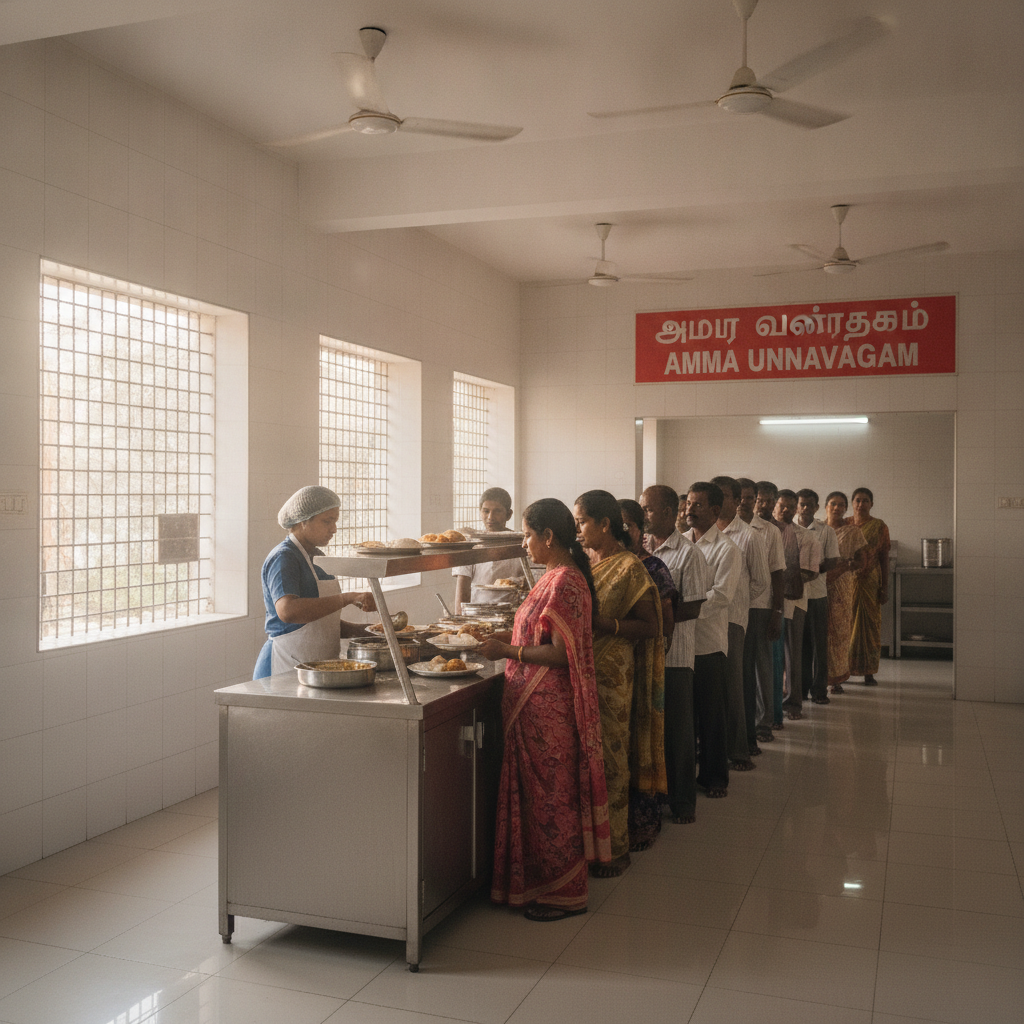
On June 18, 2026, the Greater Chennai Corporation (GCC) clarified that it has reiterated its policy banning bulk parcel takeaways at Amma Canteens, specifically addressing concerns in areas like the Ambattur zone where outlets face staffing shortages. The civic body dismissed recent rumours of a complete ban on takeaways, explaining that the restriction is strictly aimed at preventing the commercial misuse of the subsidized food scheme.
A senior GCC official stated that purchasing high volumes of food, such as 50 to 100 meals at a time, is explicitly prohibited. This restriction also extends to non-governmental organisations attempting to procure bulk meals for external distribution to hospitals. The official emphasized that the primary purpose of the canteens is to provide dine-in service.
To address operational irregularities, the GCC has taken strict action against specific Self-Help Groups managing the canteens. Staff members who were found to be booking bulk parcels and facilitating external distribution have been terminated from their positions.
Korattur AIADMK councillor J. John supported the restriction, noting that some individuals purchase the subsidized food in bulk to resell it. He explained that this restriction was originally announced when the scheme was launched in 2013 to prevent such commercial exploitation, though he acknowledged some people also buy bulk food with good intentions, such as feeding schoolchildren.
Meanwhile, a worker at an Amma Canteen in the Ambattur zone explained that many outlets lack sufficient staff to cater to both dine-in customers and large bulk parcel orders. However, the worker expressed concern that a blanket ban on larger orders might affect big families who legitimately require 15 to 30 idlis.
To accommodate individual beneficiaries, the GCC confirmed that small takeaways of three to four parcels remain permitted. This exemption continues to benefit guest workers purchasing food for their families, night-shift employees requiring post-work meals, and individuals buying a limited number of parcels for sick relatives.