EV Adoption Rise In June Could Save India One Lakh Crore Rupees Annually By 2030
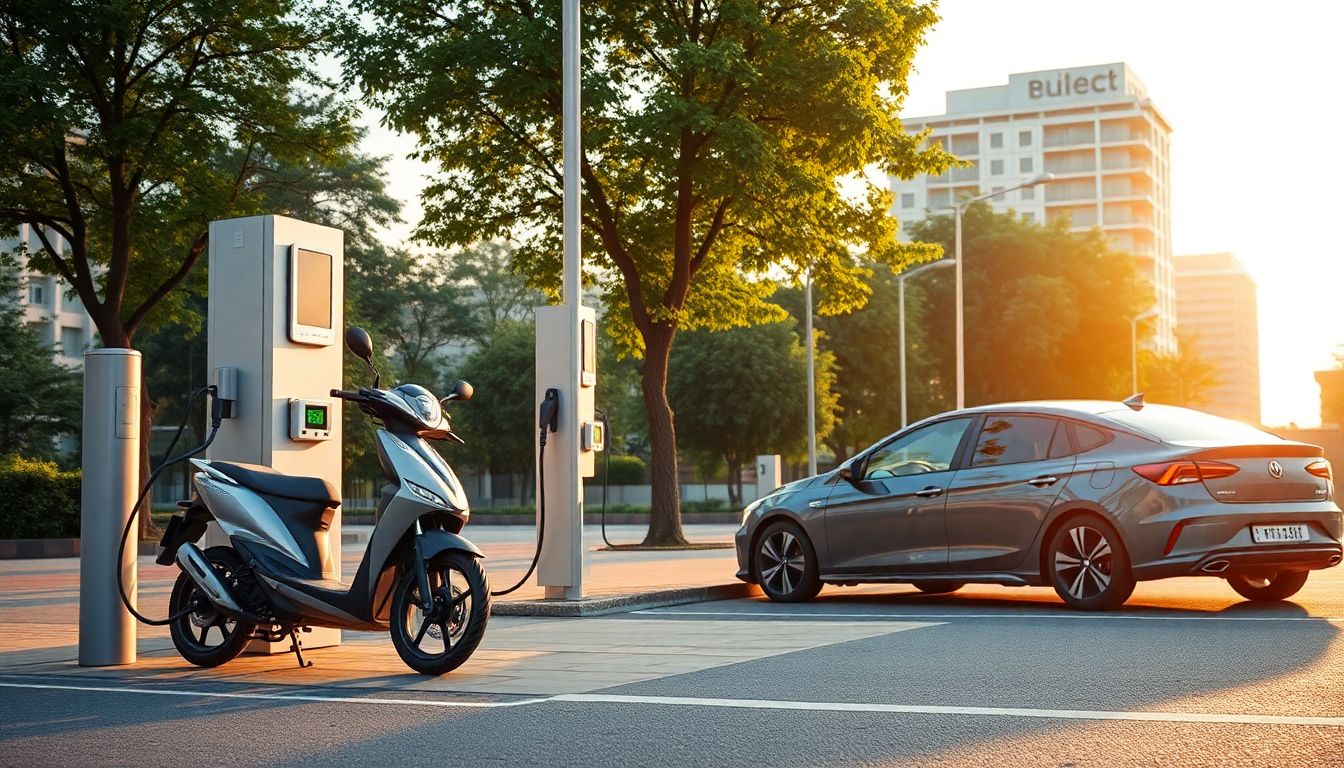
Electric vehicle (EV) adoption in Chennai and across India surged in June, with at least a dozen states recording double-digit EV penetration. According to recent data, frontrunners Assam and Odisha saw battery-powered vehicles account for nearly 20 percent of all new vehicle registrations, marking the highest penetration recorded by any Indian state to date.
The June quarter defied the usual moderation in vehicle sales that typically follows the March year-end peak. Instead, the share of battery-powered vehicles rose steadily month after month.
This acceleration in India’s transition to electric mobility has been driven by a supportive policy environment and the steady expansion of charging infrastructure. Additionally, a sharp rise in crude oil prices following the West Asia conflict has further motivated the shift toward electric vehicles.
The trend carries significant economic implications. Estimates suggest that raising EV penetration from the current level of 10 percent to 20 percent of all new vehicle registrations by 2030 could help India save nearly ₹1 lakh crore annually on its crude oil import bill. This reduction would help lower the country's overall oil intensity and import dependence.
According to a note by SBI Research, India’s economy has continued to post strong growth despite the prolonged West Asia crisis since February 2026. This resilience reflects a gradual decline in the nation's dependence on crude oil.
The country's oil intensity, which measures oil consumption relative to gross domestic product (GDP), has nearly halved. It fell from 1.4 percent in FY14 to 0.7 percent in FY26.
Furthermore, crude oil imports as a share of GDP have also dropped significantly. Imports fell from 8.6 percent in the second quarter of FY14 to 3.1 percent in the second quarter of FY26, highlighting the shifting energy landscape.