DMK Revamps Structure, Increases Party Districts from 77 to 110
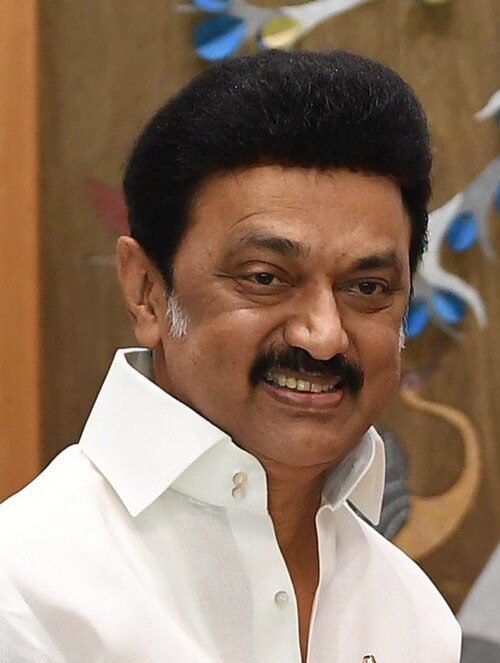
DMK president M K Stalin has announced a comprehensive reorganization of the Dravida Munnetra Kazhagam (DMK), increasing the number of party administrative districts across Tamil Nadu from 77 to 110. Under this restructuring, Chennai has been reorganized into 10 party districts, while Sholinganallur, the state's largest Assembly constituency, will function as its own individual party district.
The announcement was made by Stalin in a formal statement on Friday. He explained that the organizational revamping was undertaken on the basis of recommendations submitted by a committee specifically formed for this purpose, as well as following comprehensive discussions with the top leadership of the party.
According to the party president, the DMK functions on four core foundations, which include its principles, its party structure, its regular activities, and its cadre base. Stalin noted that the political organization has witnessed multiple changes over the years and has already conducted 15 organizational elections throughout its history. He confirmed that the party's 16th organizational election would be conducted next as part of this ongoing progression.
Under the newly outlined structure, most of the newly formed party districts will consist of two or three Assembly constituencies each. However, Sholinganallur has been demarcated as a single district on its own. Across the rest of the state, other revenue districts have been categorized into one, two, three, four, or five party districts.
Following the announcement, the present district secretaries across all 110 newly created party districts have been instructed to devise an implementation plan within a two-week timeframe. Working in the presence of official representatives sent from the party headquarters, the district secretaries will map out the formation of various lower-tier units, including town, union, regional, town panchayat, circle, and branch units.
The structural overhaul was planned as part of deliberate steps to renew the DMK's administrative machinery and take the party to the people following its defeat in the Assembly elections.