CUMTA holds T Nagar Light Metro proposal after study flags road congestion
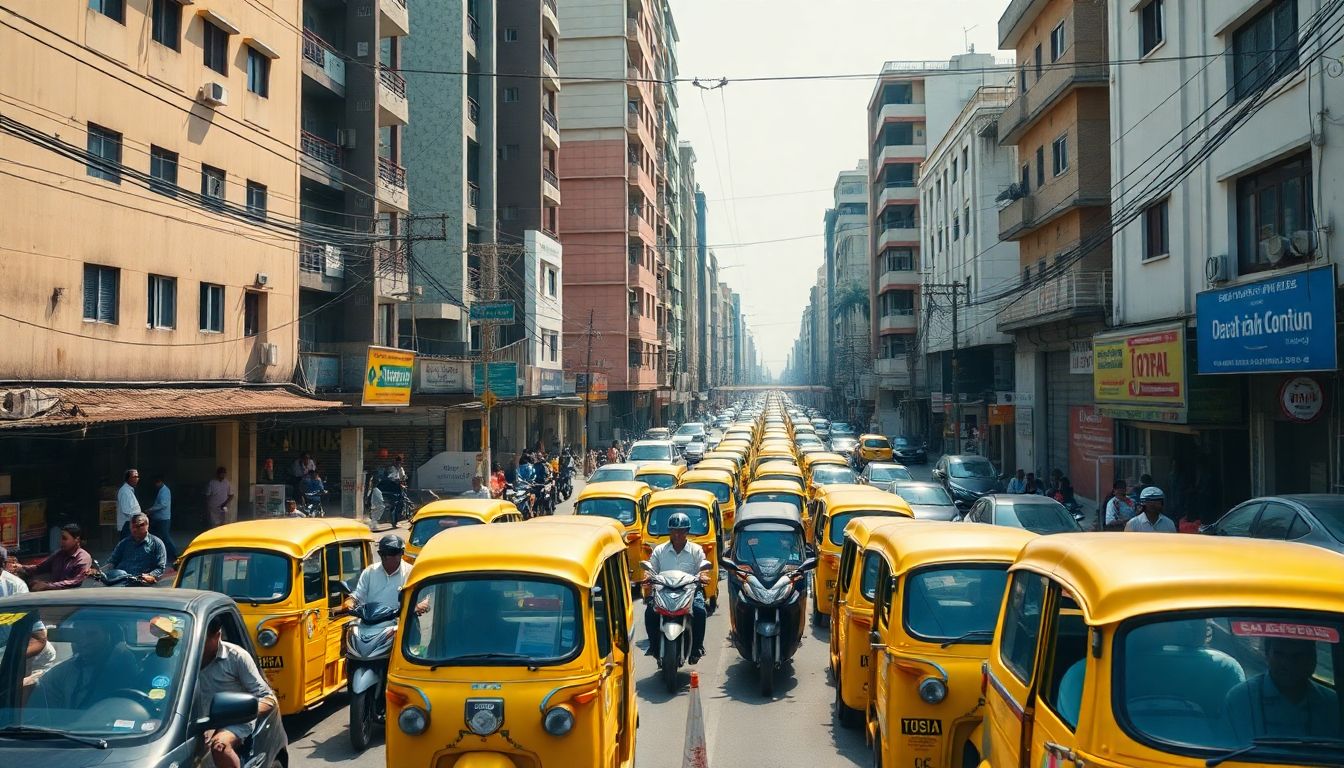
The Chennai Unified Metropolitan Transport Authority (CUMTA) has put its ambitious proposal to introduce a 'Light Metro' tram system on hold in T Nagar, following a feasibility study that flagged severe road constraints and traffic congestion. The study, which focused on T Nagar and KK Nagar, concluded a few months ago and determined that the local road infrastructure is currently unsuitable for the project.
The proposed transit system was designed to feature short trams consisting of one or two compartments. These trams were intended to link directly with existing metro stations, serving as a solution for first and last-mile connectivity for local commuters.
However, a senior CUMTA official explained that Chennai's roads are heavily congested, making the physical allocation of dedicated tracks for the light metro extremely difficult. A major operational concern raised in the feasibility study was the disruption to existing road traffic. The official noted that vehicular traffic would have to be halted completely every time a light metro tram crossed an intersection, which would worsen the city's congestion.
As a result of these findings, the authority decided to temporarily shelve the proposal for the initially selected areas. T Nagar and KK Nagar had been chosen as the primary test beds for this study because of their high traffic density and the need for improved public transit integration.
The introduction of light metro lines was originally recommended in the Comprehensive Mobility Plan prepared by CUMTA. The primary goal of the recommendation was to enhance the overall share of public transportation across the metropolitan area.
Despite the decision to halt the project in T Nagar and KK Nagar, CUMTA has not abandoned the concept entirely. The authority plans to present the light metro project to the new government to explore alternative routes. Specifically, CUMTA hopes to find ways to implement the tram system within the Central Business District region of the city, where the traffic dynamics might allow for such an intervention.