CM Vijay Calls for Rule of Law in Water Sharing at Southern Zonal Council Meet
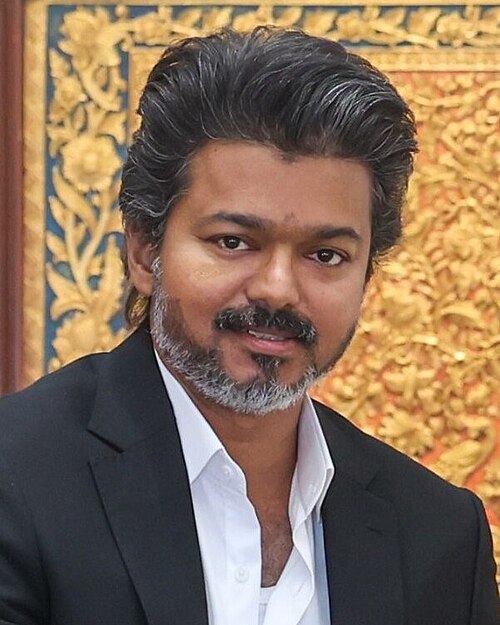
Chief Minister C Joseph Vijay called for unwavering respect for the rule of law in managing interstate rivers during the 31st Southern Zonal Council meeting held at Kovalam, near Mamallapuram, on Thursday. He emphasised that cooperative federalism must be anchored in an equitable system of fiscal federalism and stated that no agenda for southern cooperation could be complete without addressing shared rivers.
Highlighting the critical nature of river management, Vijay stated that water is fundamental to agriculture and the livelihoods of millions. He stressed that the legitimate rights of lower riparian states and the communities dependent on assured river flows must be fully protected.
Vijay noted that the judgments of the Supreme Court, awards of duly constituted tribunals, and statutory river management mechanisms must be implemented in letter and spirit. He cited shared river basins such as the Cauvery, where the timely implementation of apex court rulings and decisions of the Cauvery Water Management Authority remain essential.
On the Mullaiperiyar dam, he stated that safety considerations must continue to be guided by judicial decisions regarding the increase of the water level to 152 feet. He added that any upstream interventions with the potential to impact another state's share could only occur within the established legal and institutional framework.
Pointing out that southern states contribute more than 30% of India's Gross Domestic Product, Vijay advocated for a single, integrated economic region. He proposed the development of common economic and logistics clusters alongside seamless industrial corridors linking production centres directly to ports and international markets.
Vijay also urged member states to collaborate in curbing the interstate movement of narcotics and psychotropic substances, and called for an integrated maritime economy encompassing ports, shipping, fisheries, and coastal tourism. Reiterating his opposition to the National Eligibility cum Entrance Test (NEET), he said it disadvantages rural and economically weaker students, while also calling for a freeze on Lok Sabha seat allocation based on the 1971 Census.