Chennai's Indowud NFC Turns Rice Husk Into Plywood Alternatives in Sholavaram
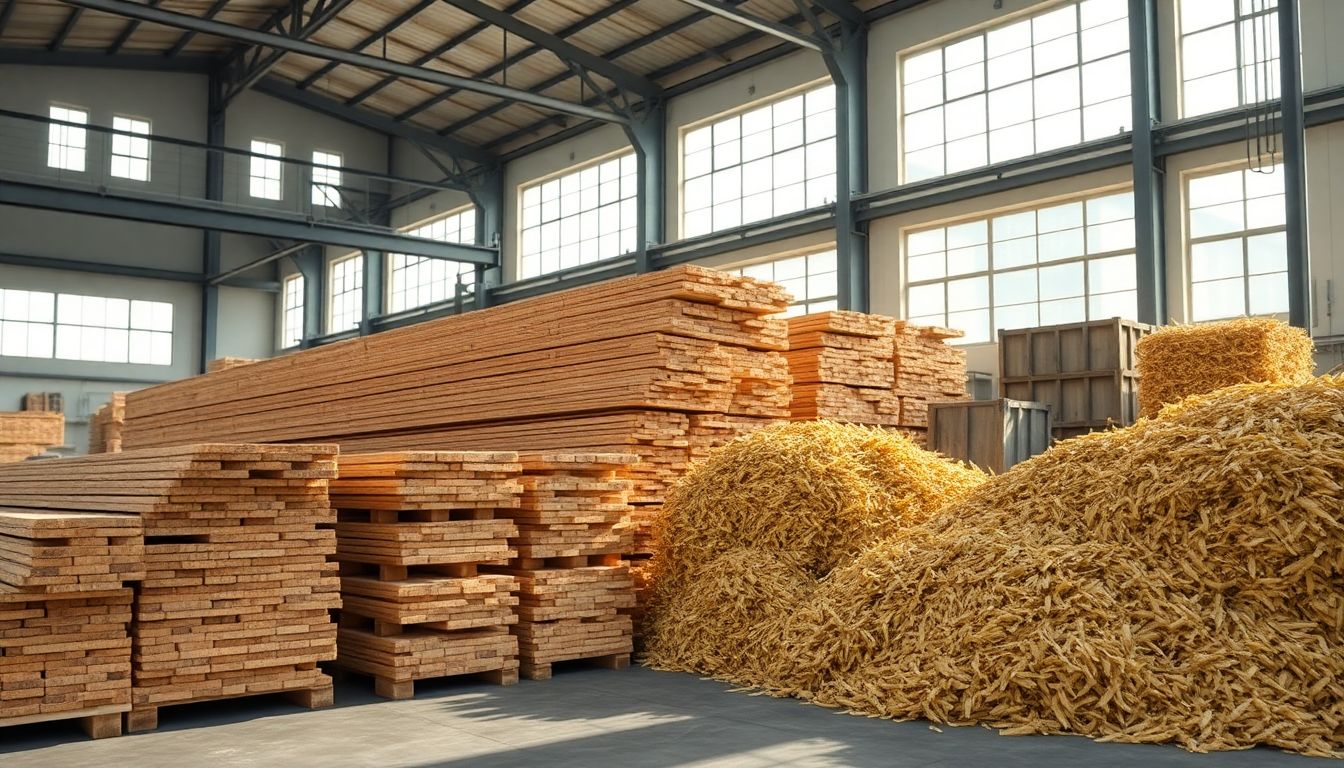
Chennai-based manufacturer Indowud NFC is converting agricultural residue into eco-friendly engineered boards at its facility in Sholavaram, on the northern outskirts of Chennai. Founded by BL Bengani, the firm collects unprocessed rice husk from across 110 rice mills in and around the city to create sustainable building materials that serve as alternatives to conventional plywood and timber.
To produce the boards, heavy vehicles transport tied rice husk from local mills directly to the Sholavaram plant. The agricultural residue undergoes cleaning and size reduction before being blended with a binder system. It is then compressed under heat and pressure, cured, trimmed, and finished into boards that can be cut, drilled, nailed, painted, laminated, or carved into architectural screens.
The venture follows nearly two years of research by Bengani, who travelled across the United States and Singapore to study alternative materials and collaborate with international scientists. The access to foreign manufacturing and machinery expertise enabled the development of a durable, eco-friendly alternative to traditional timber products.
Since its establishment in 2018, Indowud NFC has expanded its product line beyond basic boards to include door frames, wall panels, furniture components, decking, pergolas, louvres, and custom CNC-routed jaalis. The finished products are now exported to between 10 and 15 countries through a network of over 100 dealers worldwide.
The engineered boards are designed to resist water, termites, and fire while remaining virtually free of volatile organic compounds. Unlike conventional engineered wood products that rely on formaldehyde-based adhesives, the company's boards contain no formalin and are self-extinguishing. Additionally, third-party carbon assessments estimate that every cubic metre of these boards avoids around 2,447 kilograms of carbon dioxide equivalent by preventing deforestation.
Priced comparably to high-quality plywood, the products cater to architects and builders seeking certified green materials. While rice husk remains the primary raw material due to its local availability, the company aims to explore other agricultural residues across India as potential building components in the future.